













Safarnama
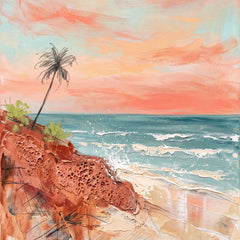
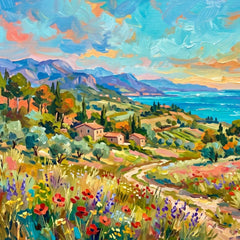
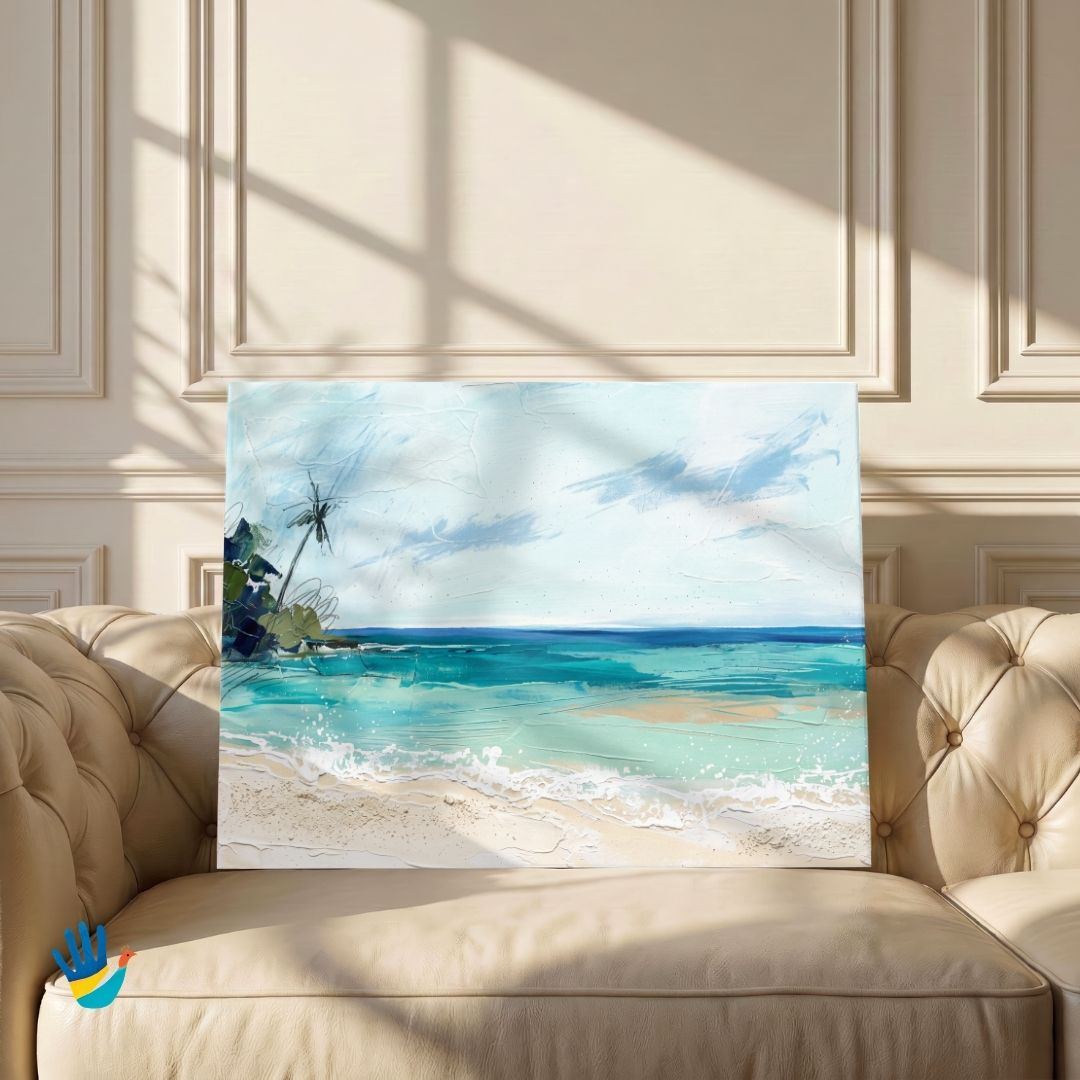
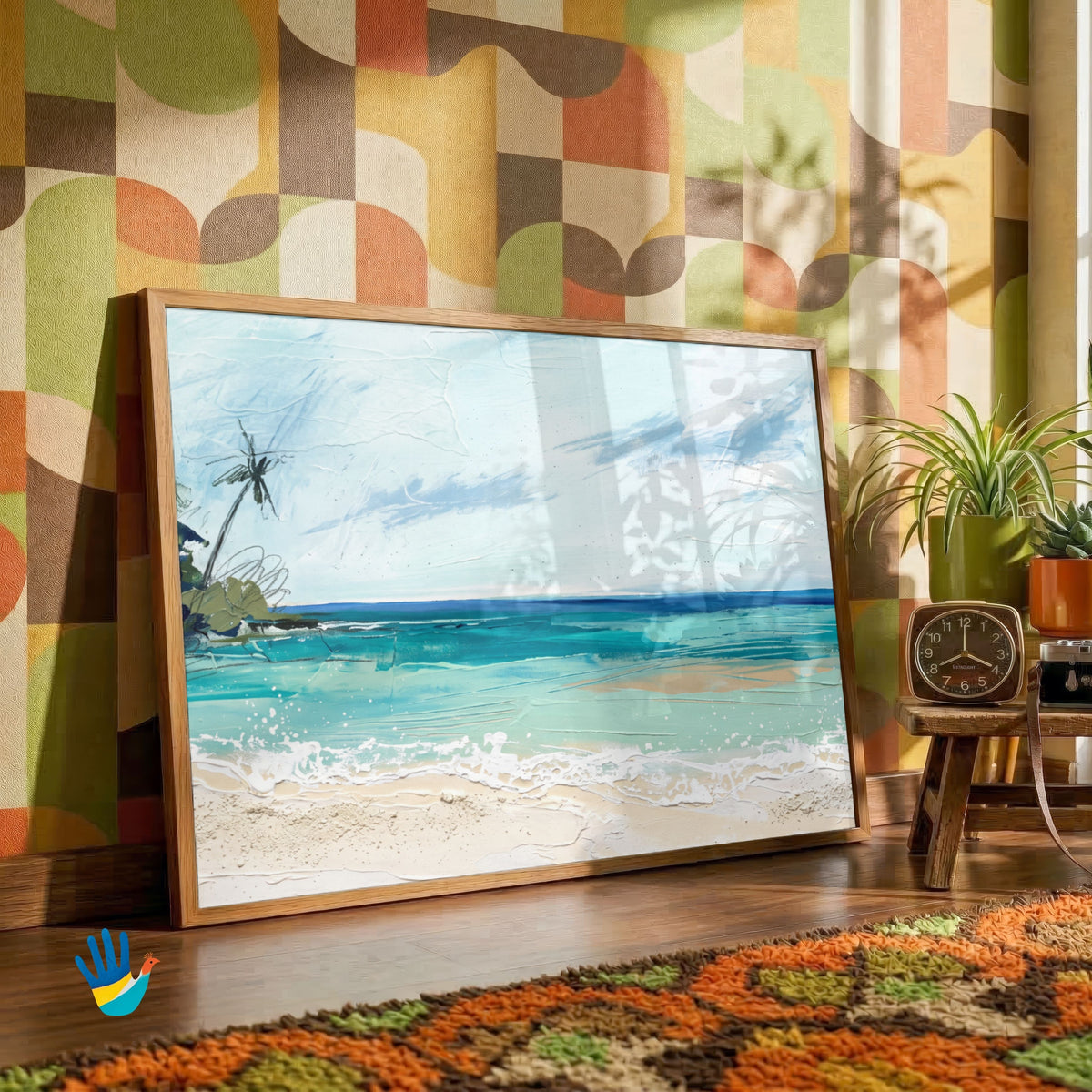
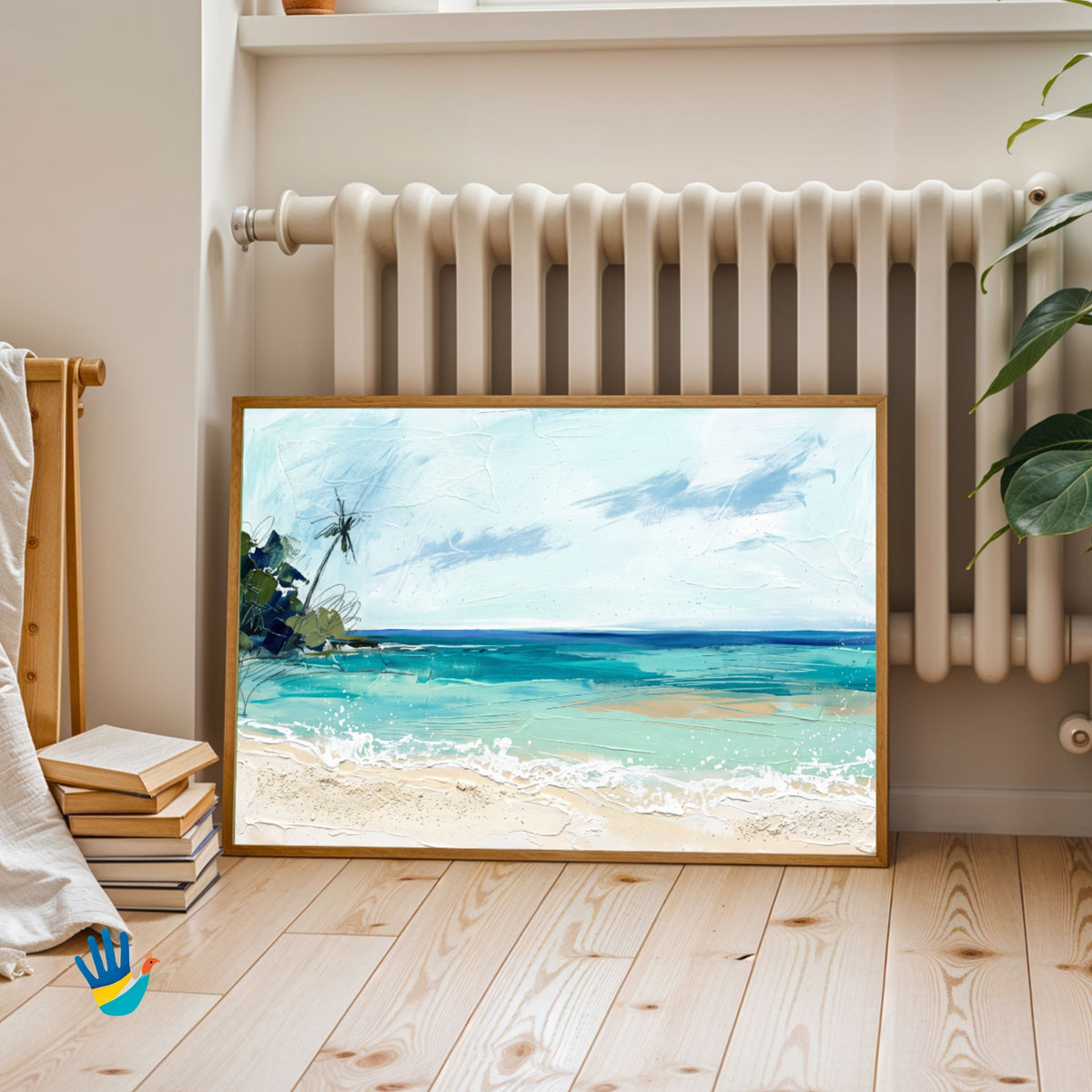
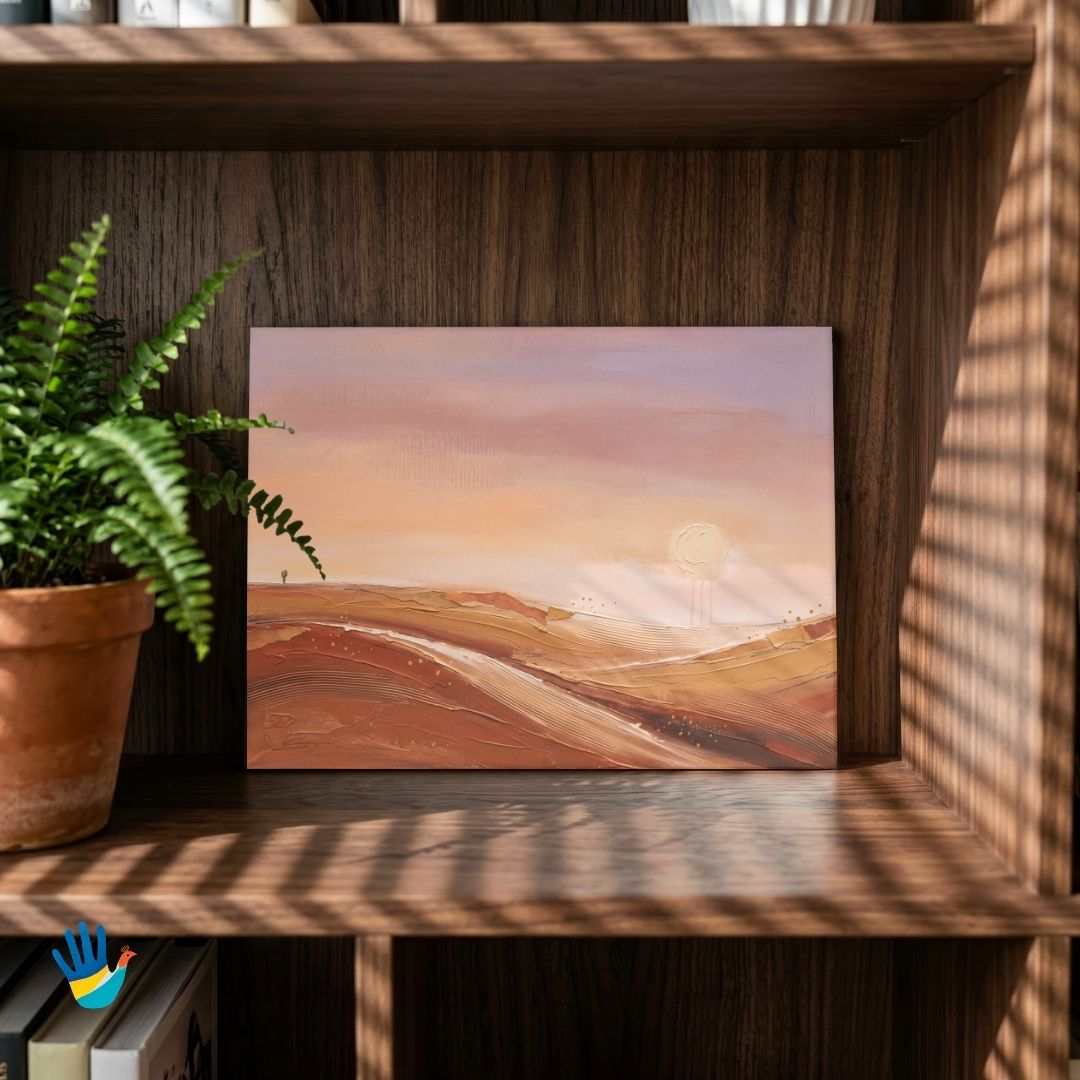
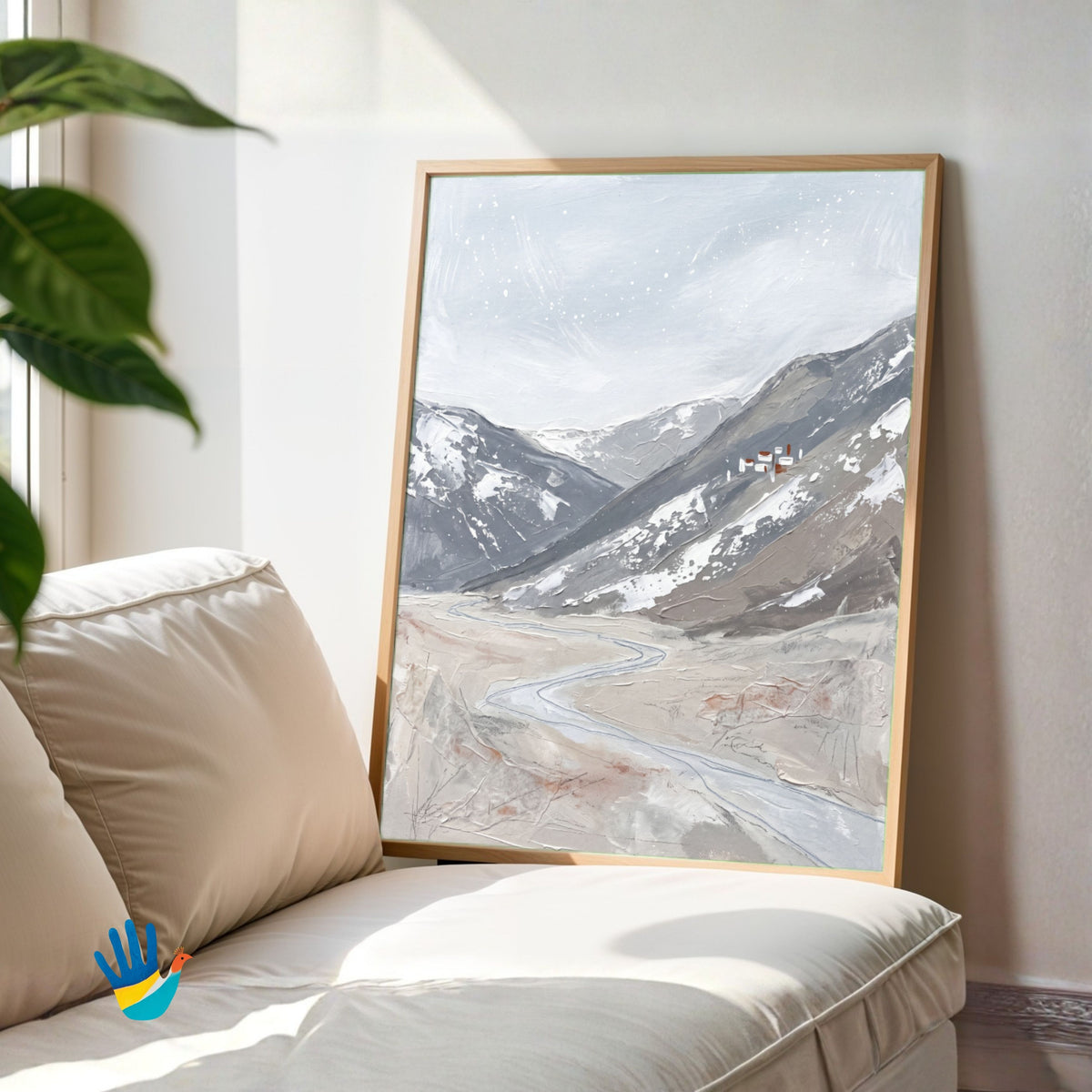
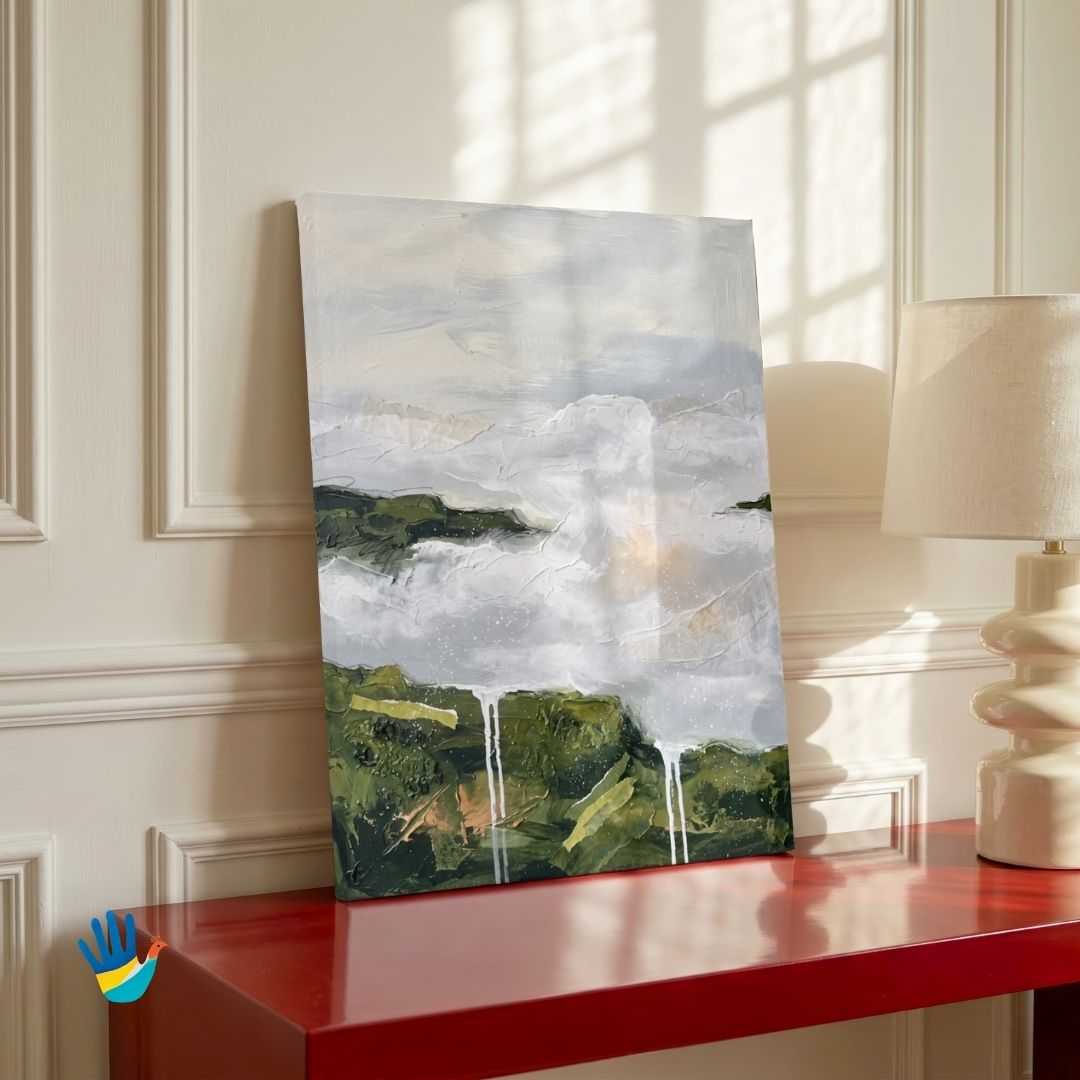
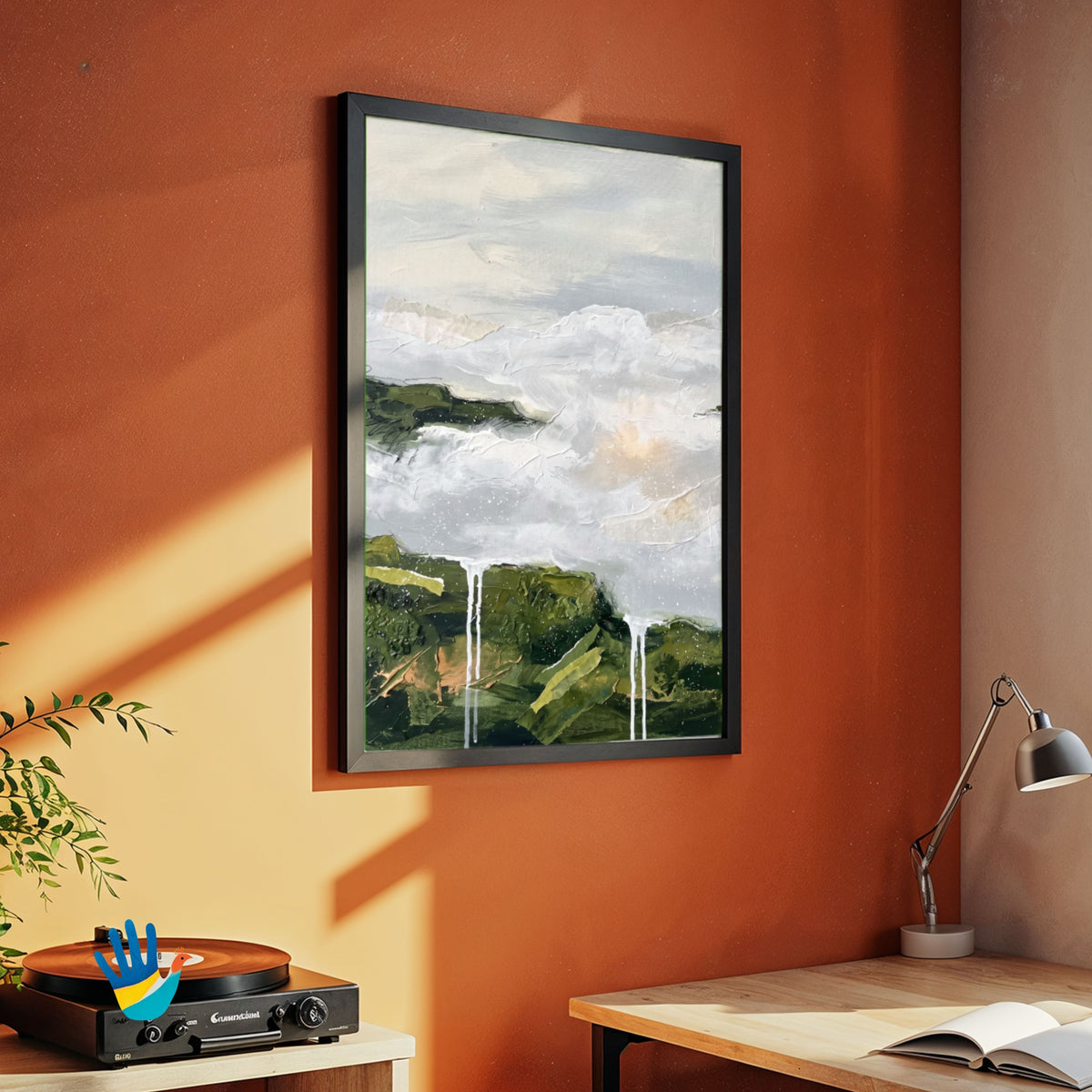
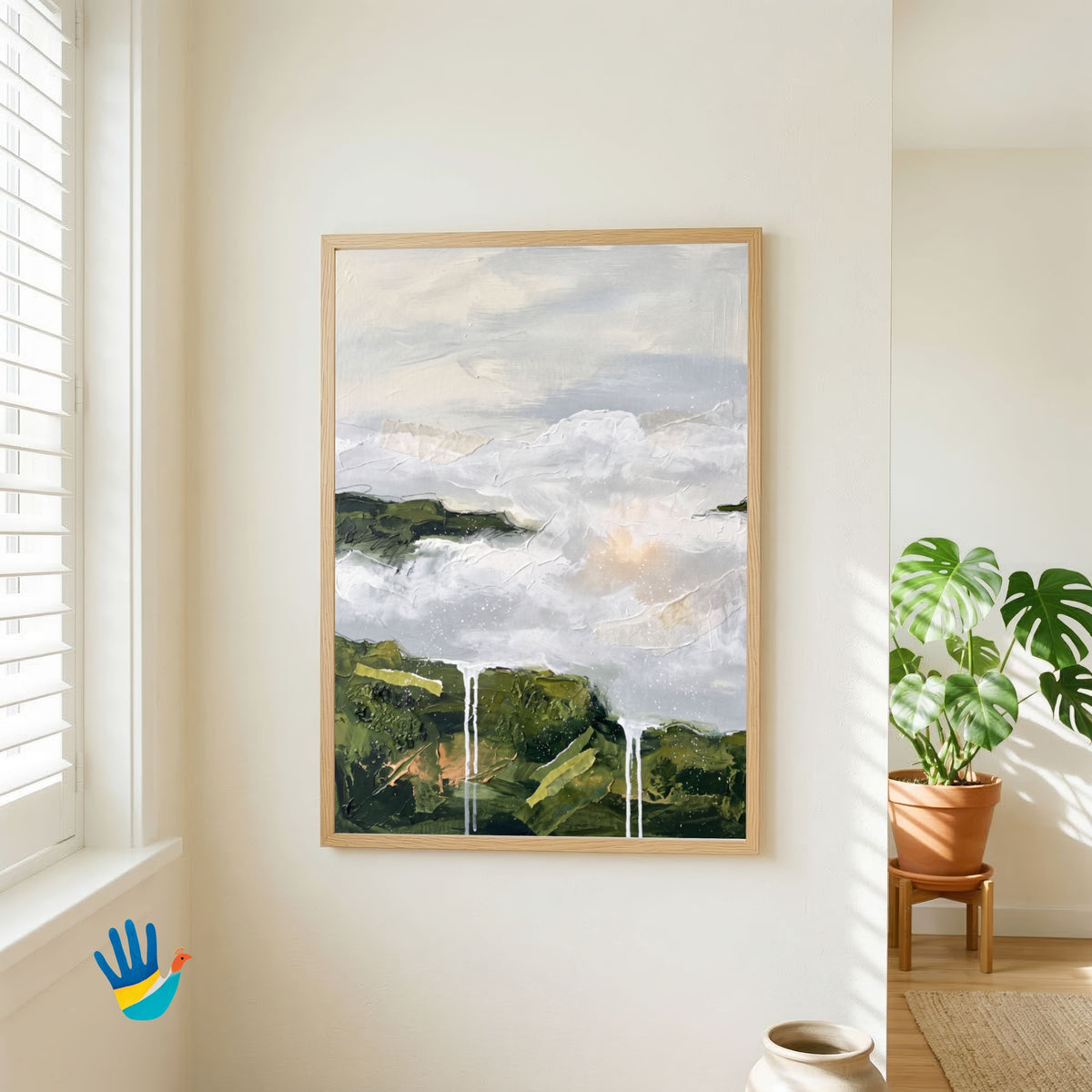
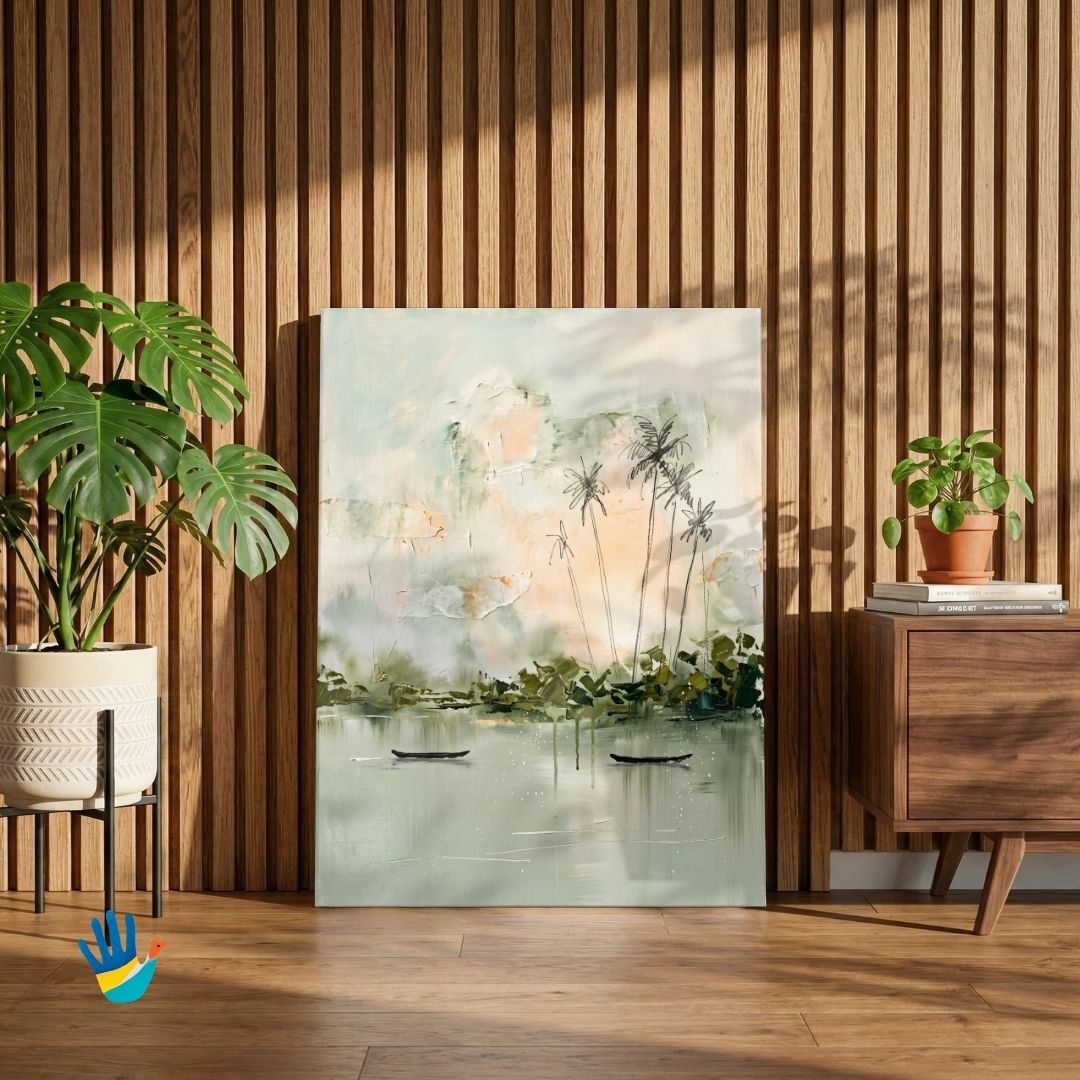
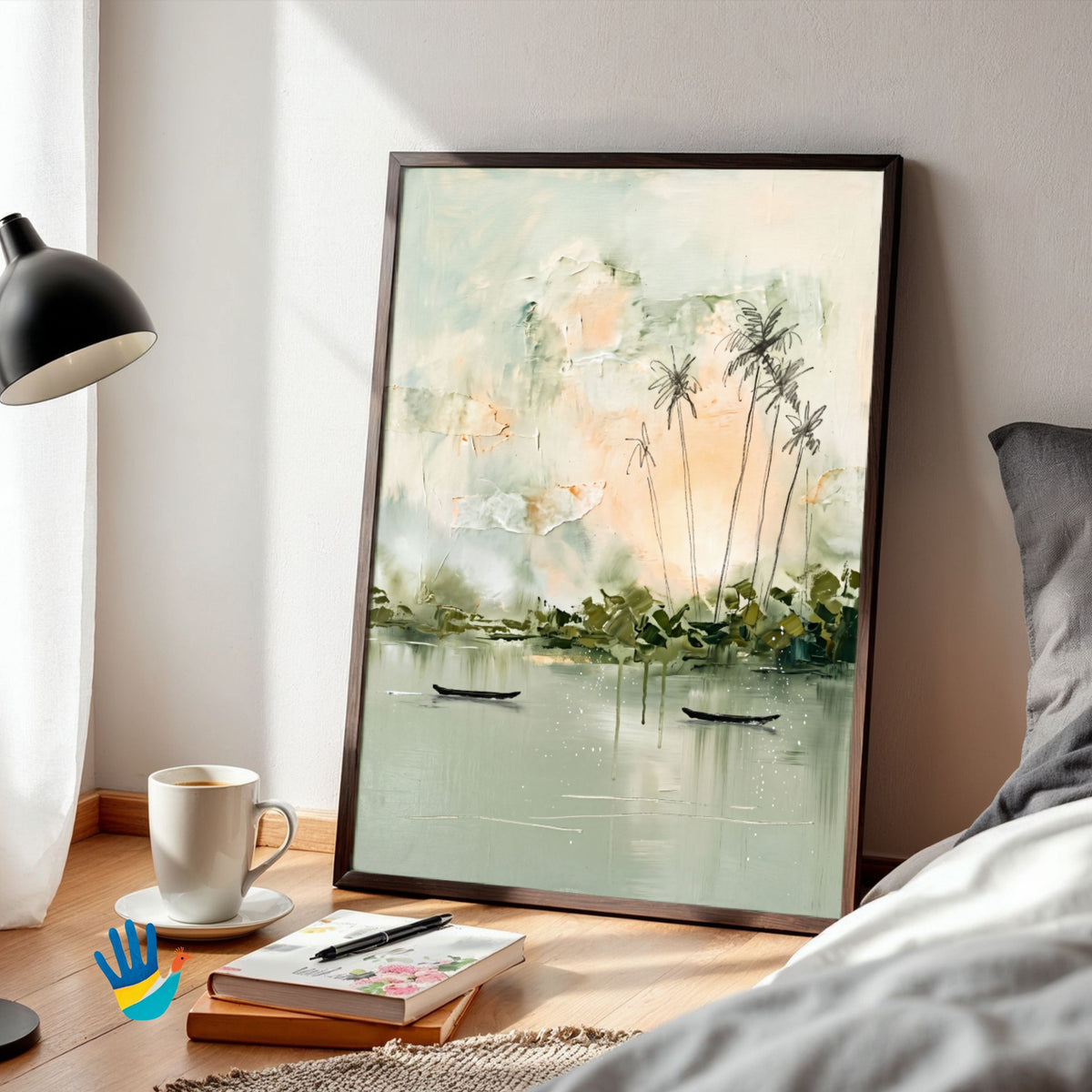
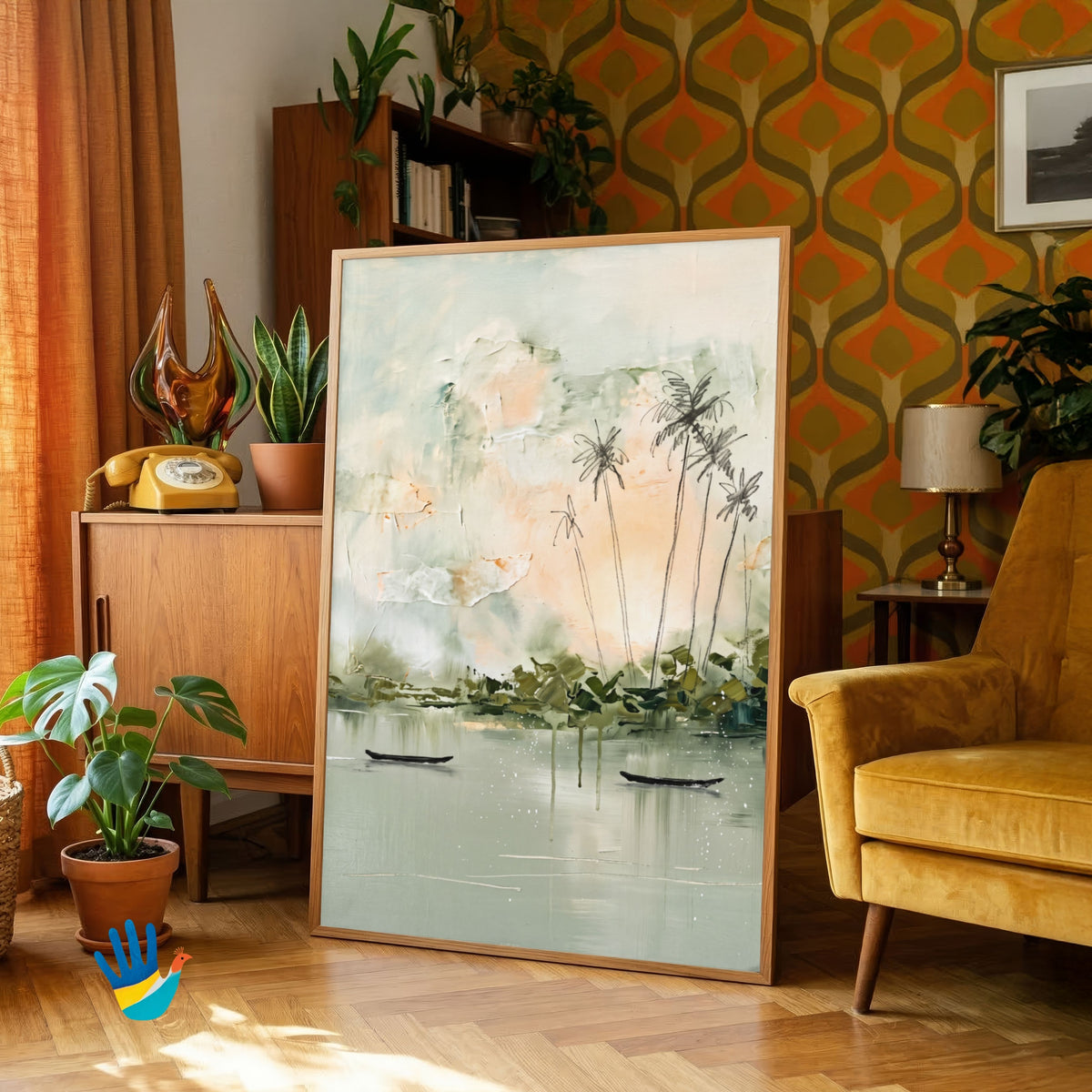
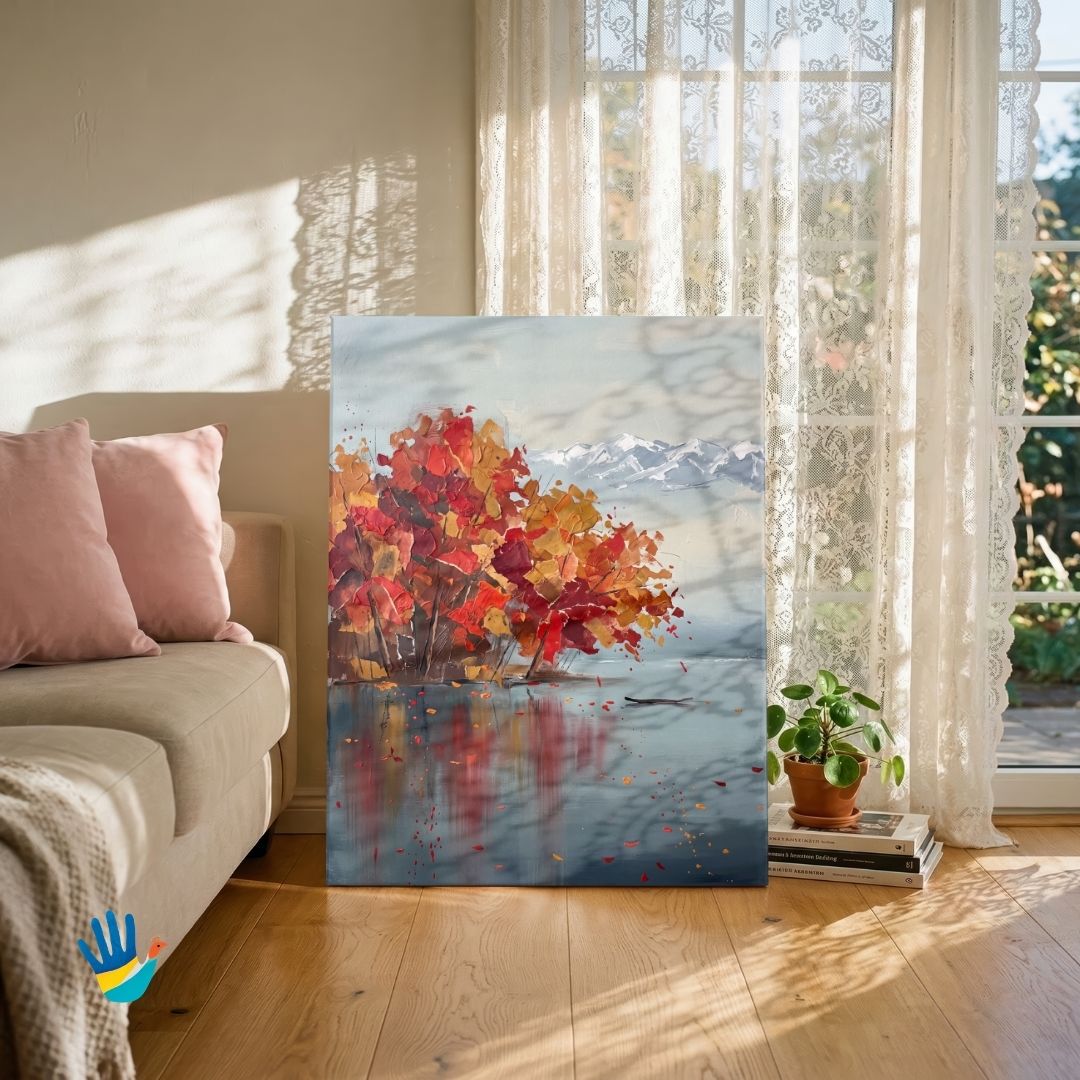
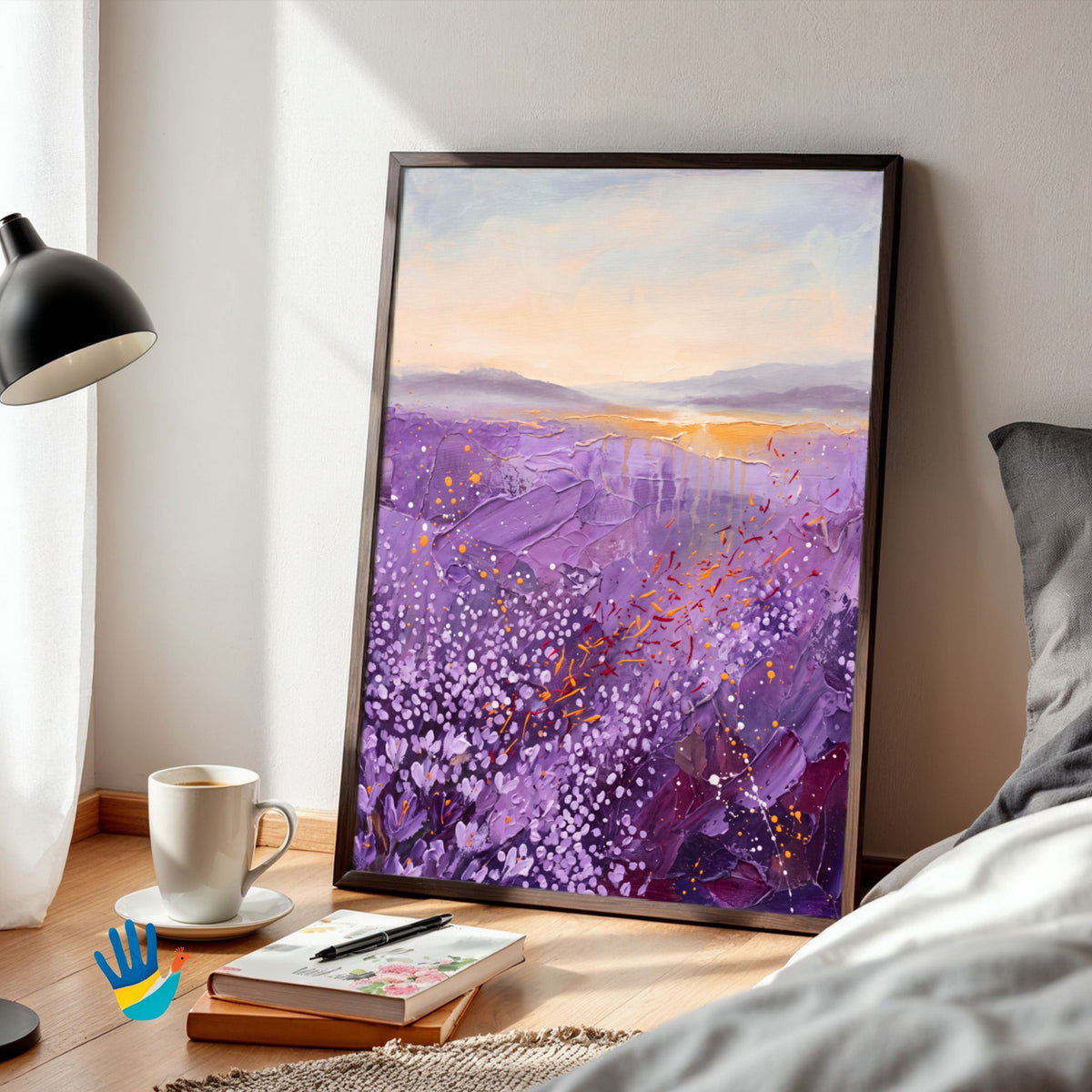
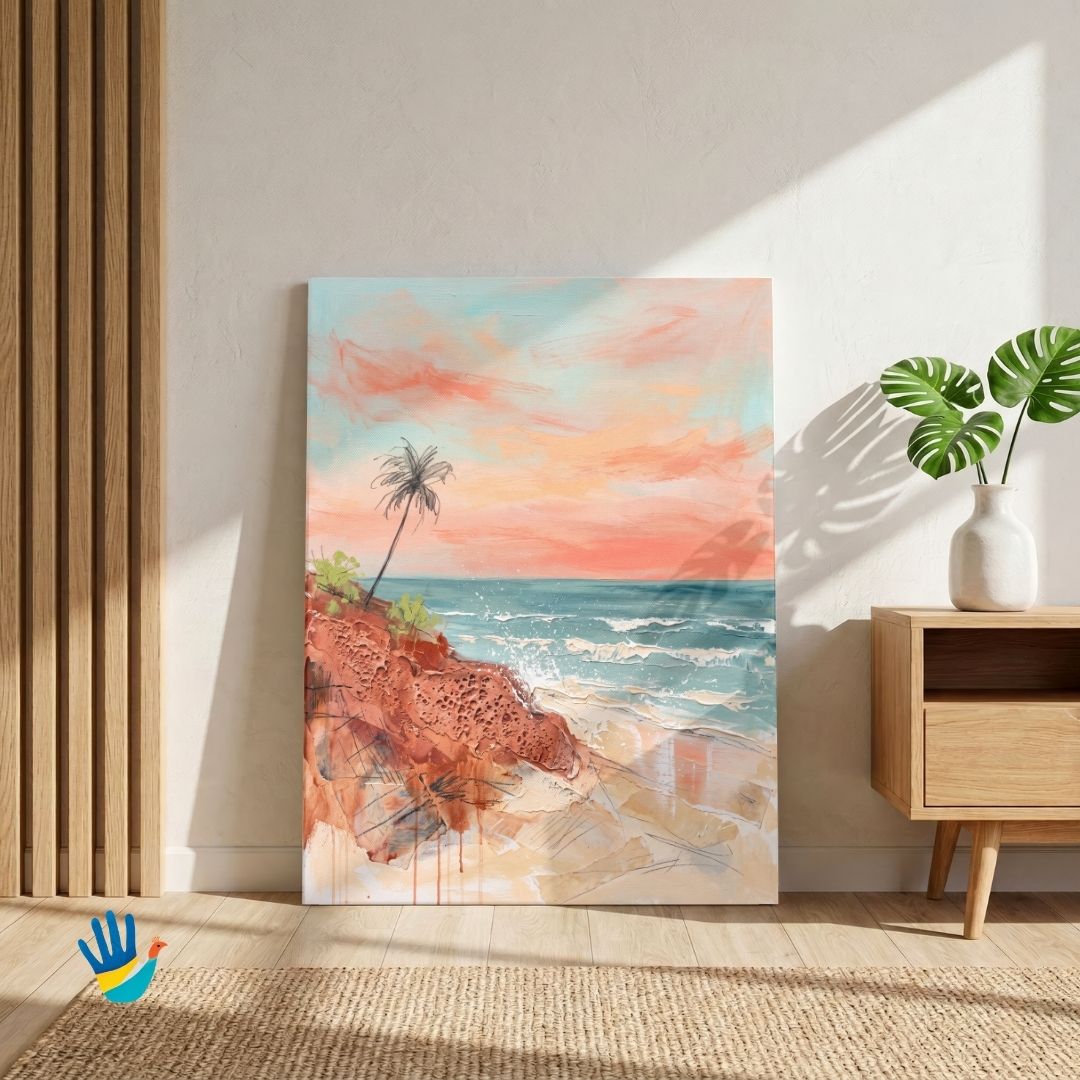
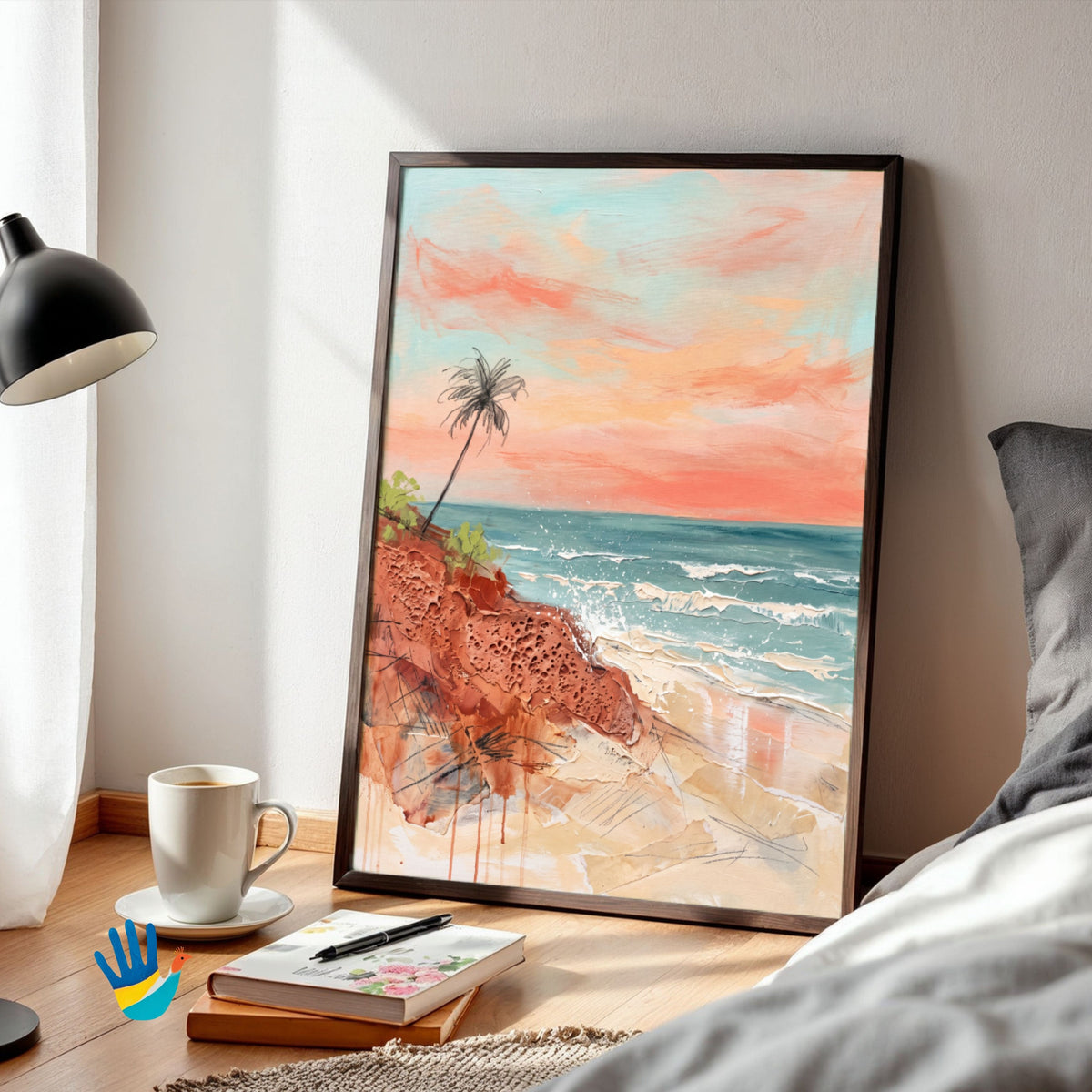
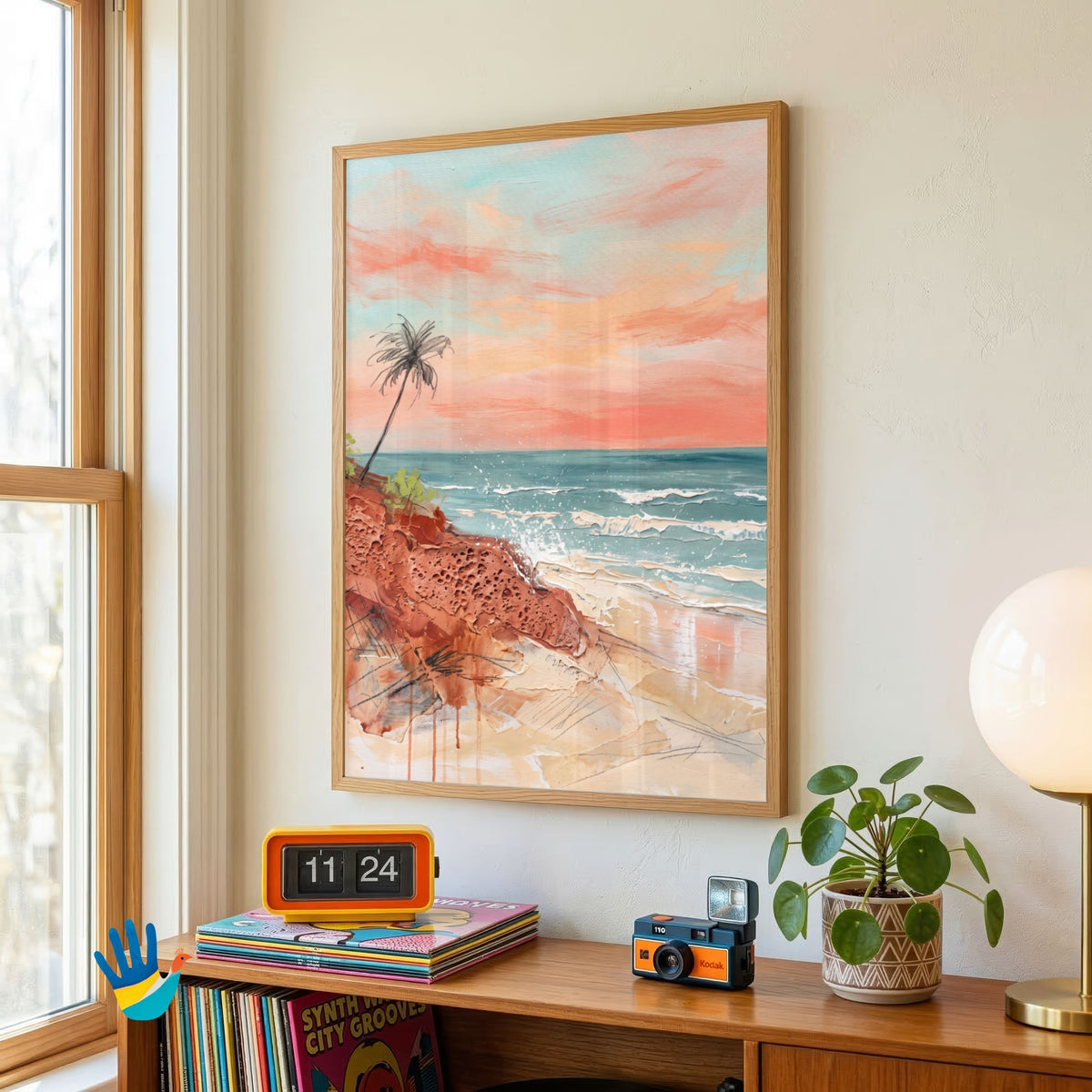
Safarnama is a travel journal written in colour: twenty atmospheric abstract landscapes, each holding the memory of one Indian place rather than its picture.
In Persian and Urdu, a safarnama is the record a traveller keeps of the road. Not the guidebook's list of sights, but what stayed behind after the journey ended: the light on a lake at 4,000 metres, the hush of a salt desert at moonrise, the smell of first rain on red earth. This collection is built from that kind of remembering.
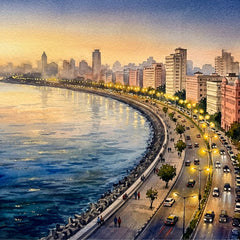
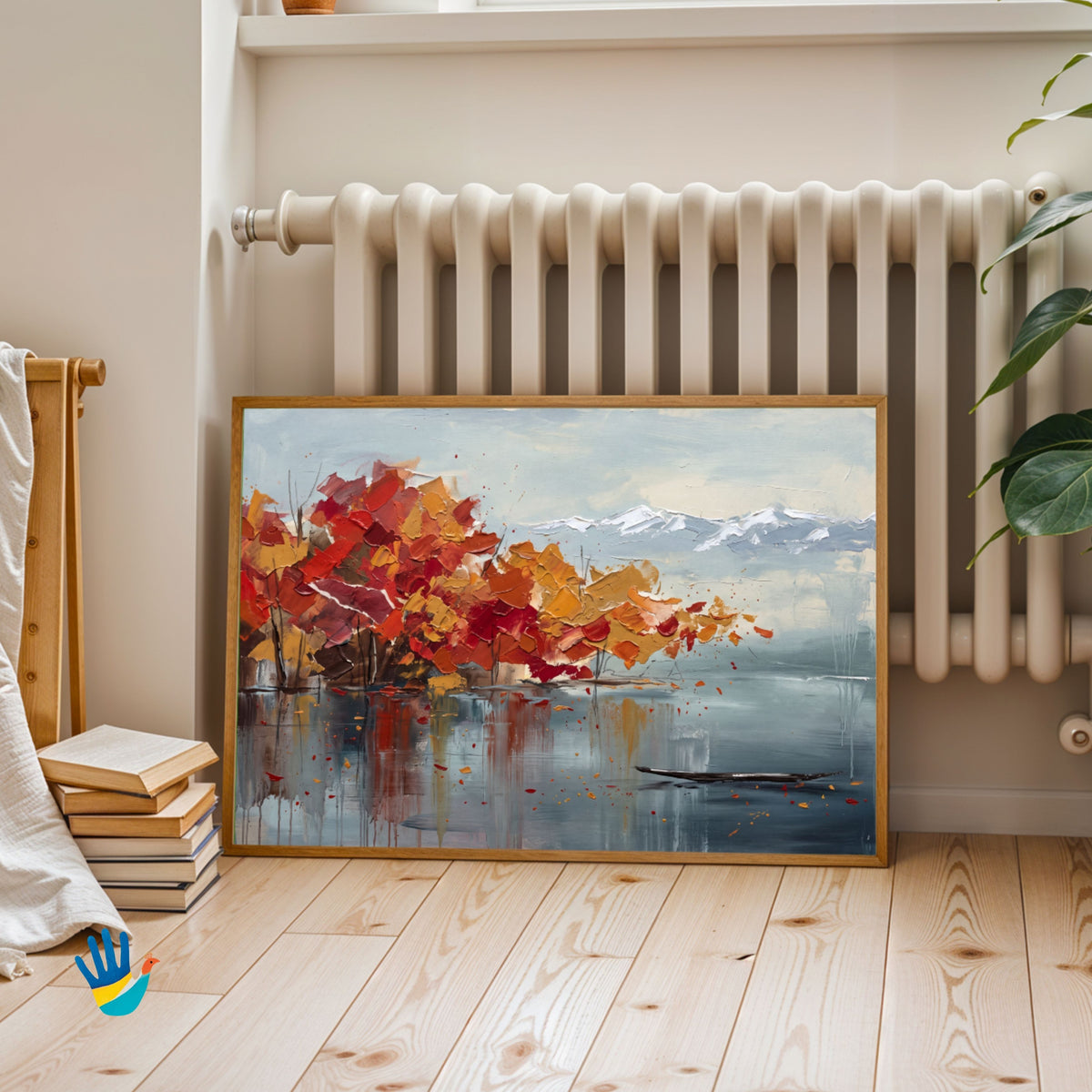
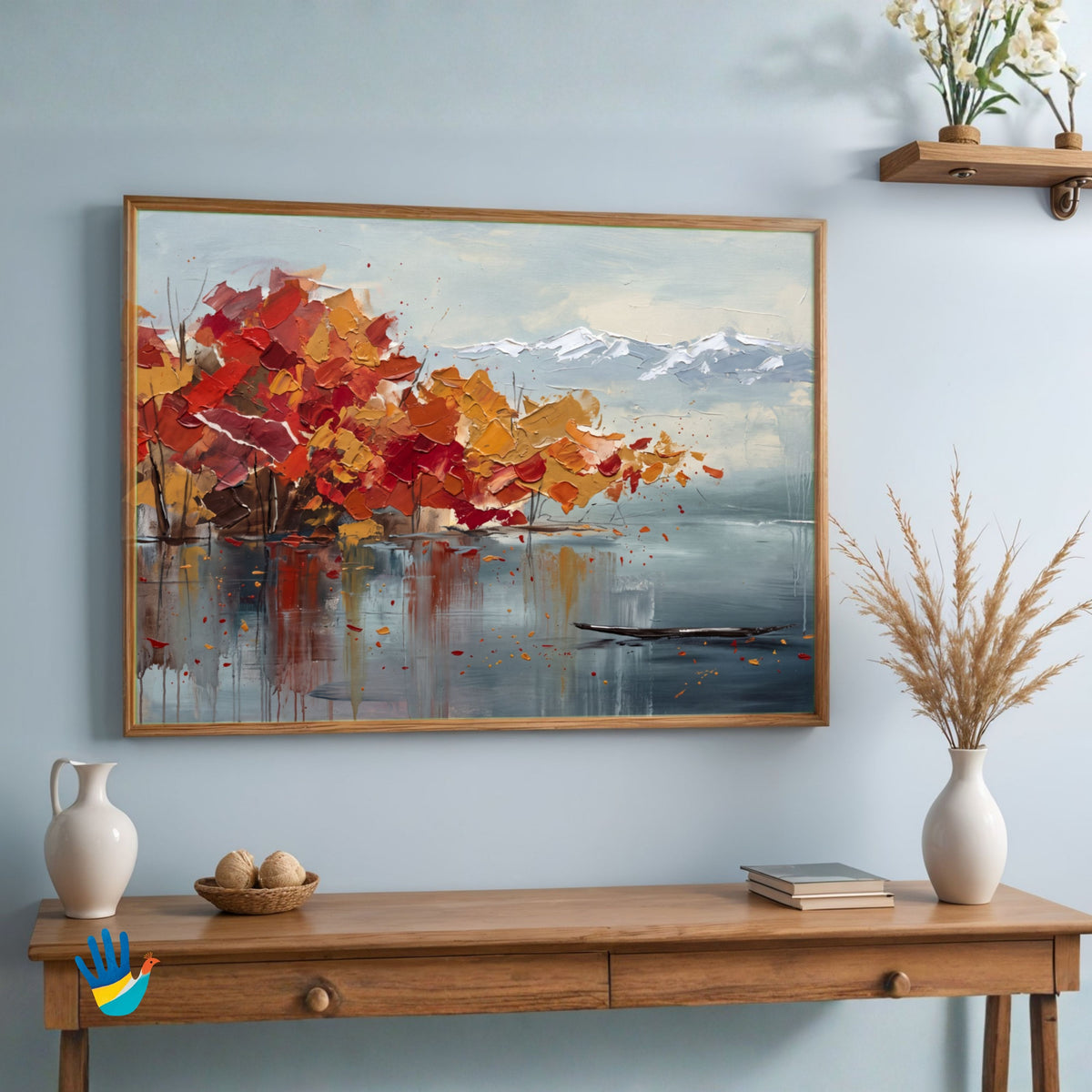
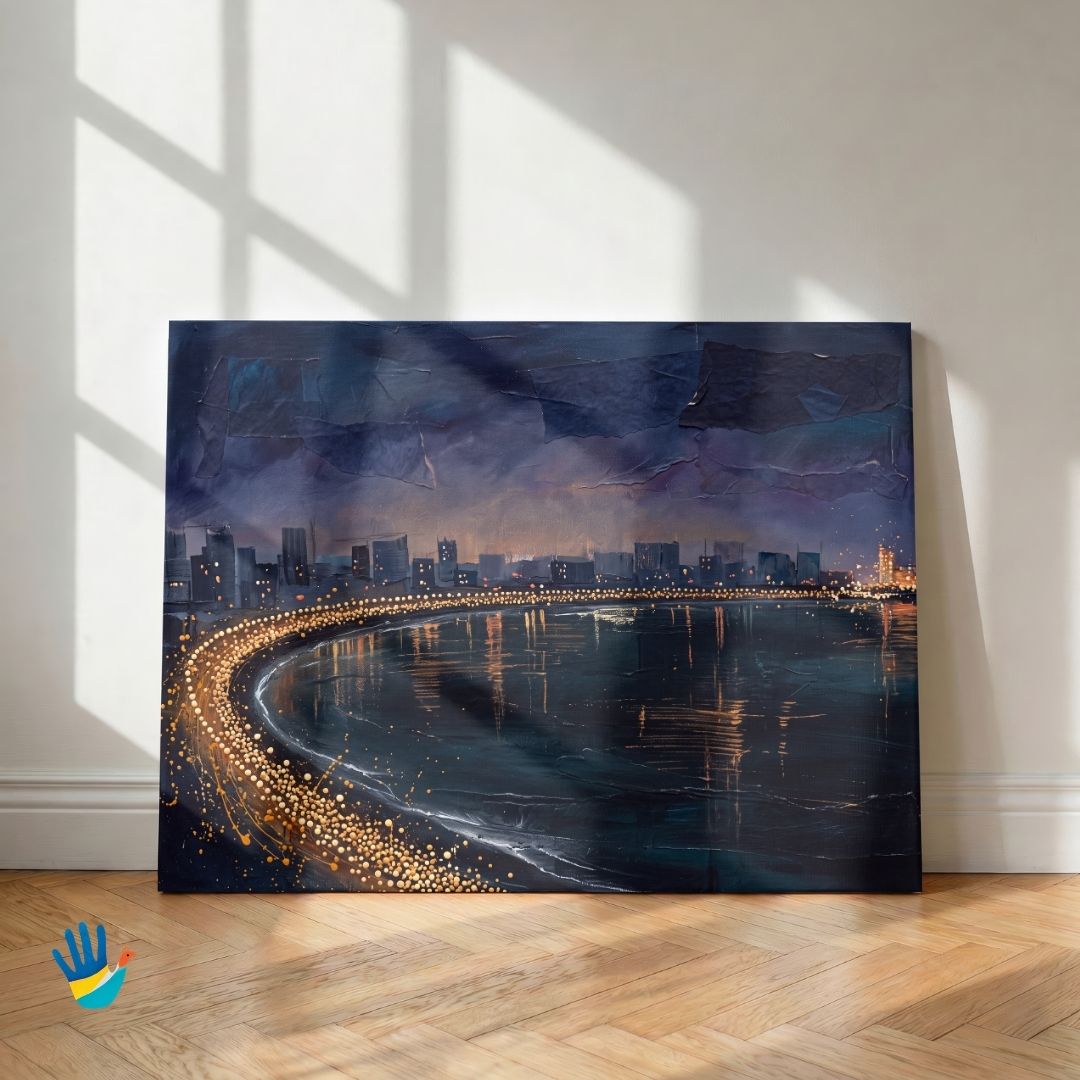
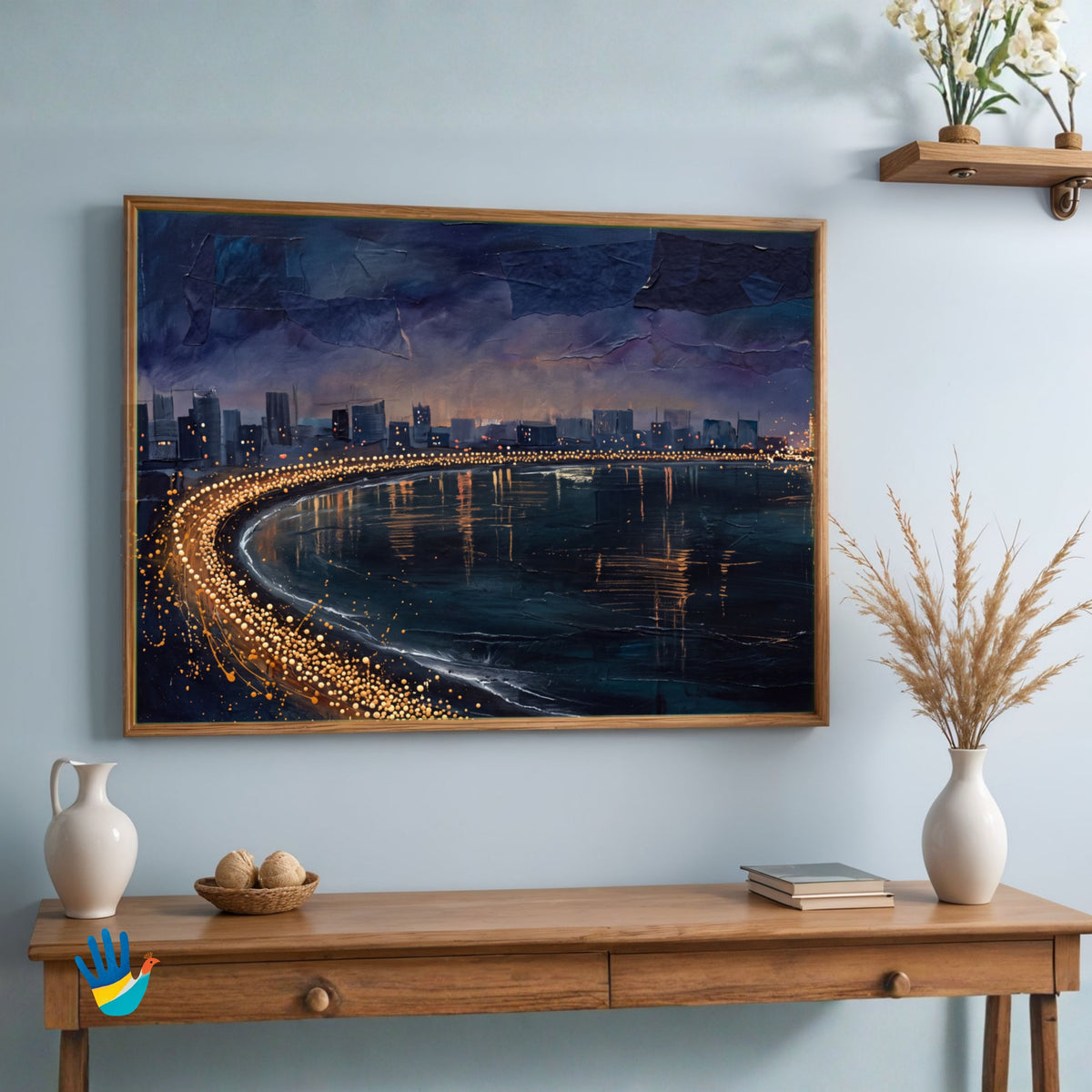
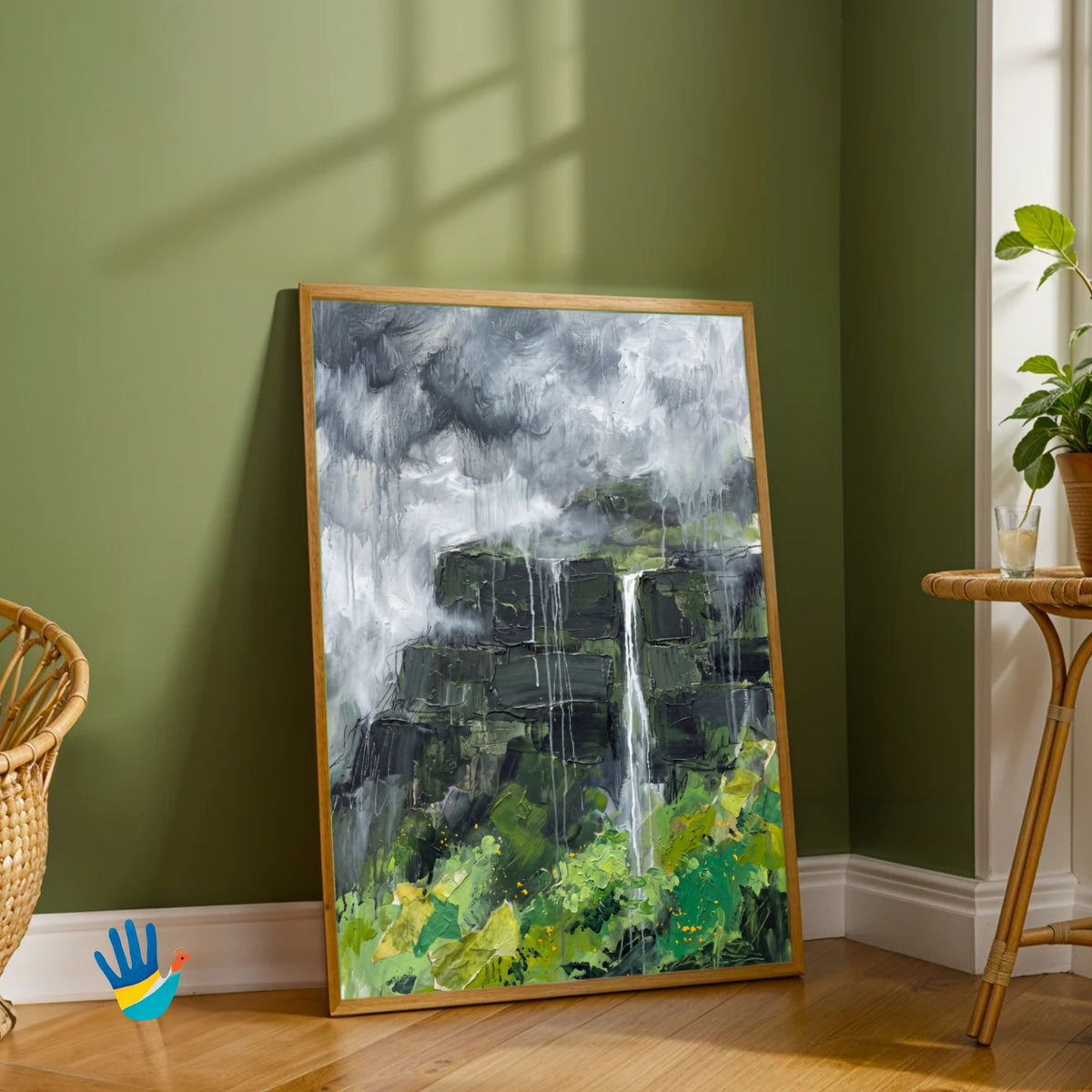
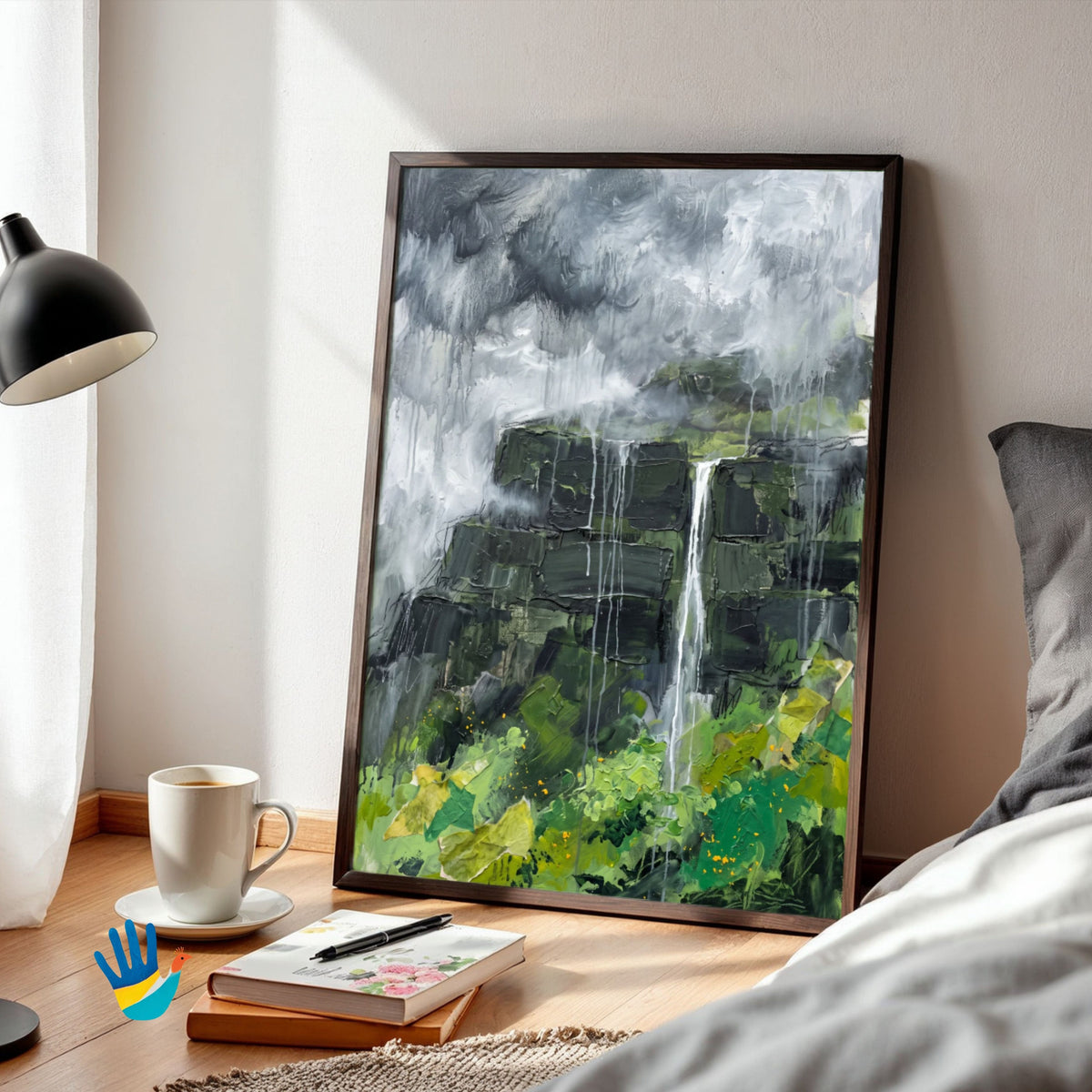
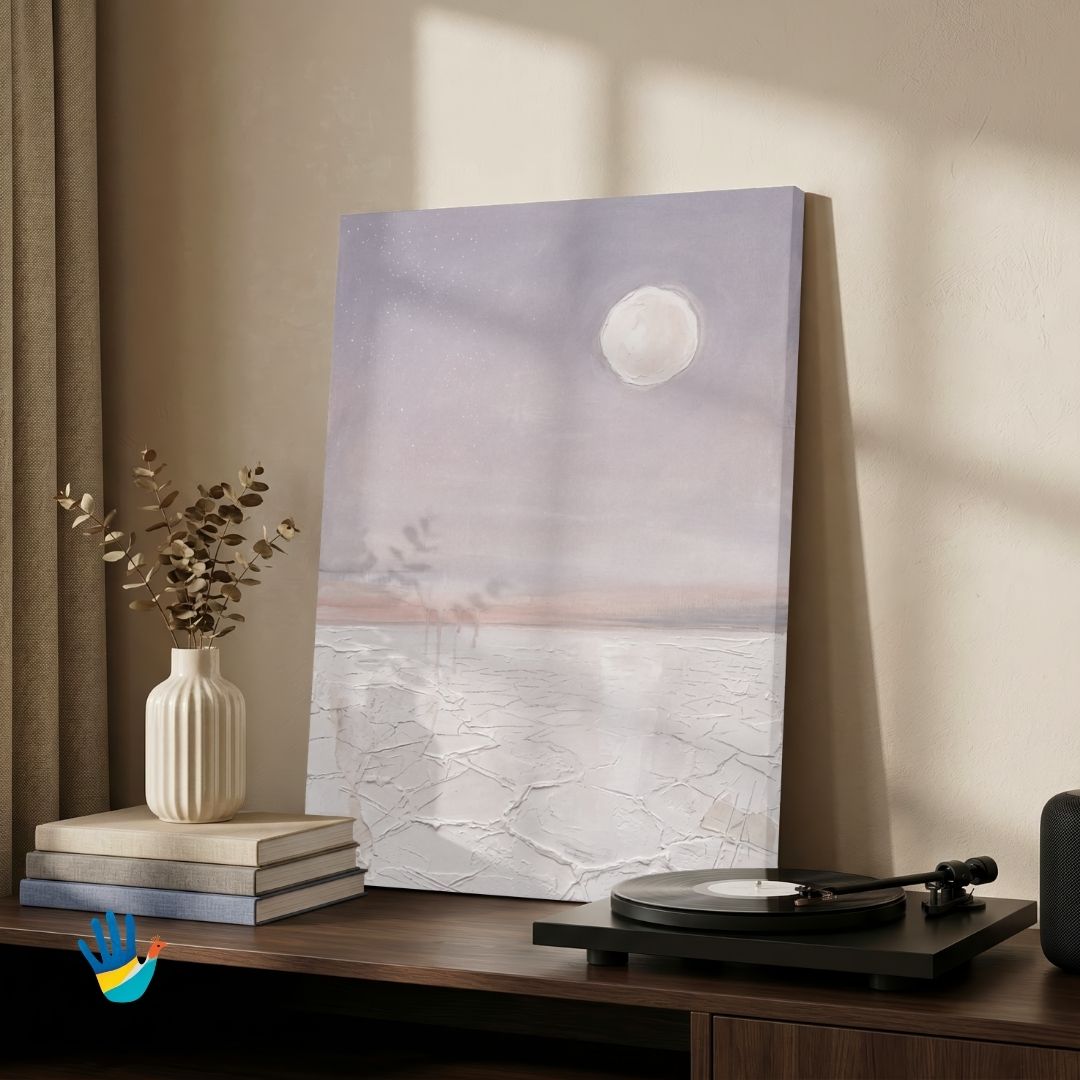
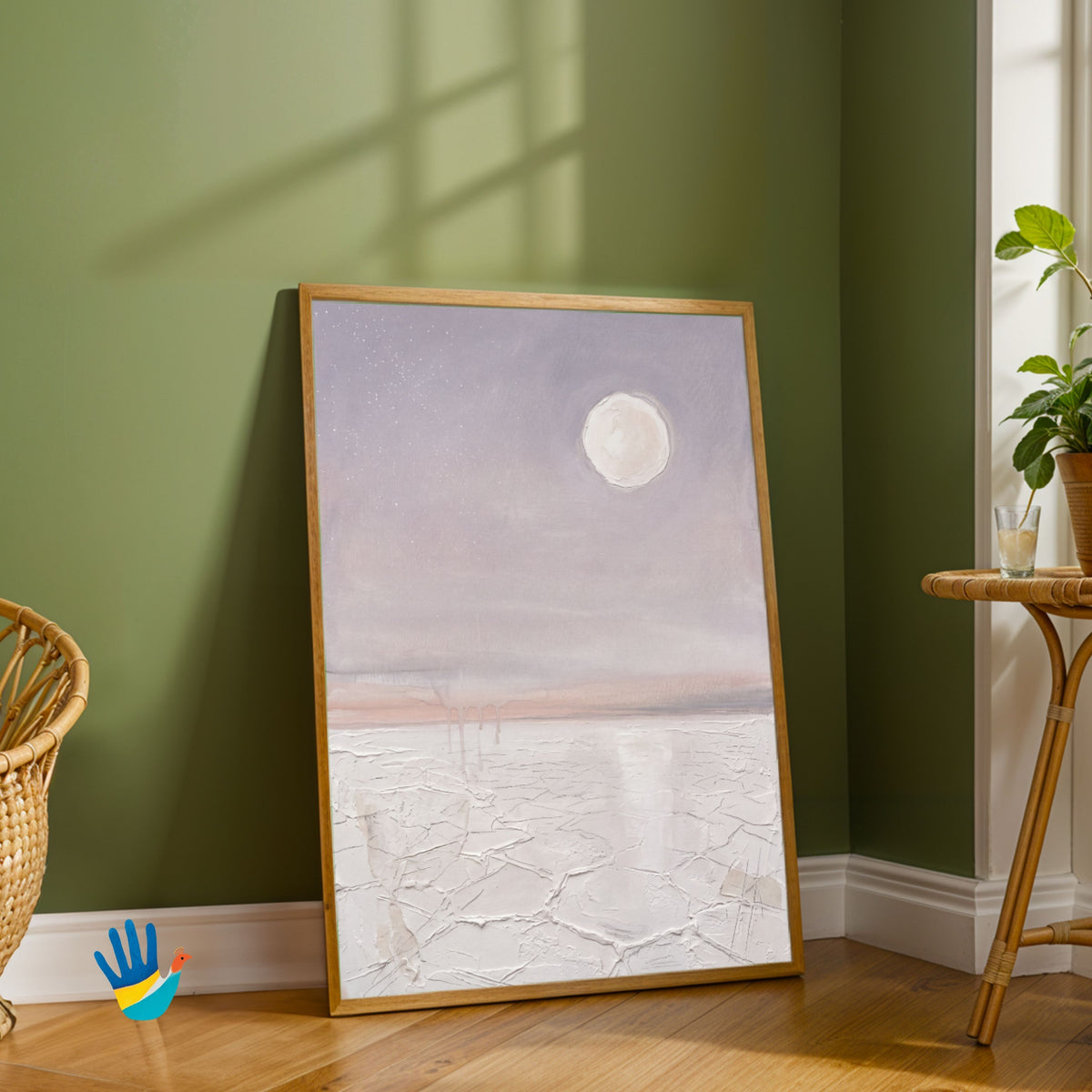
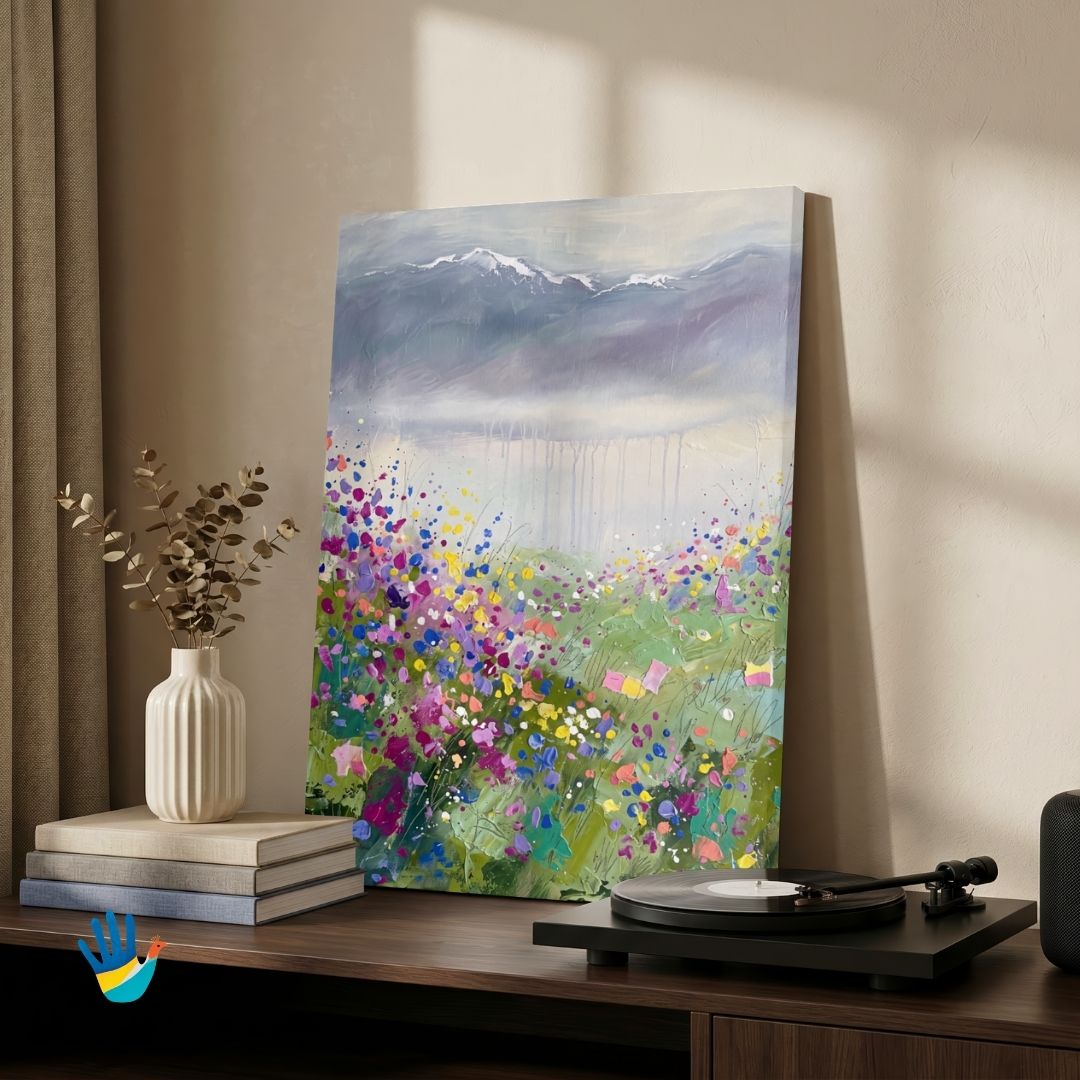
The journey runs the length and breadth of the country. It begins in the thin, bright air above Pangong in Ladakh, the frozen stillness of Spiti and the red chinar autumn of Kashmir. It drops into the golden dunes of the Thar and the white silence of the Rann of Kutch. It follows the Ganga at dawn in Varanasi, climbs into the monsoon cloud of the Sahyadri and the flowering meadows of Uttarakhand, and floats above the clouds of Meghalaya. It crosses the granite boulders of Hampi and the tidal mangroves of the Sundarbans, pauses on Mumbai's seafront after midnight, and comes to rest on the red cliffs of the Konkan, the slow green waters of Kerala, the glass-clear lagoons of the Andamans and, finally, the southern tip at Kanyakumari, where three seas meet.
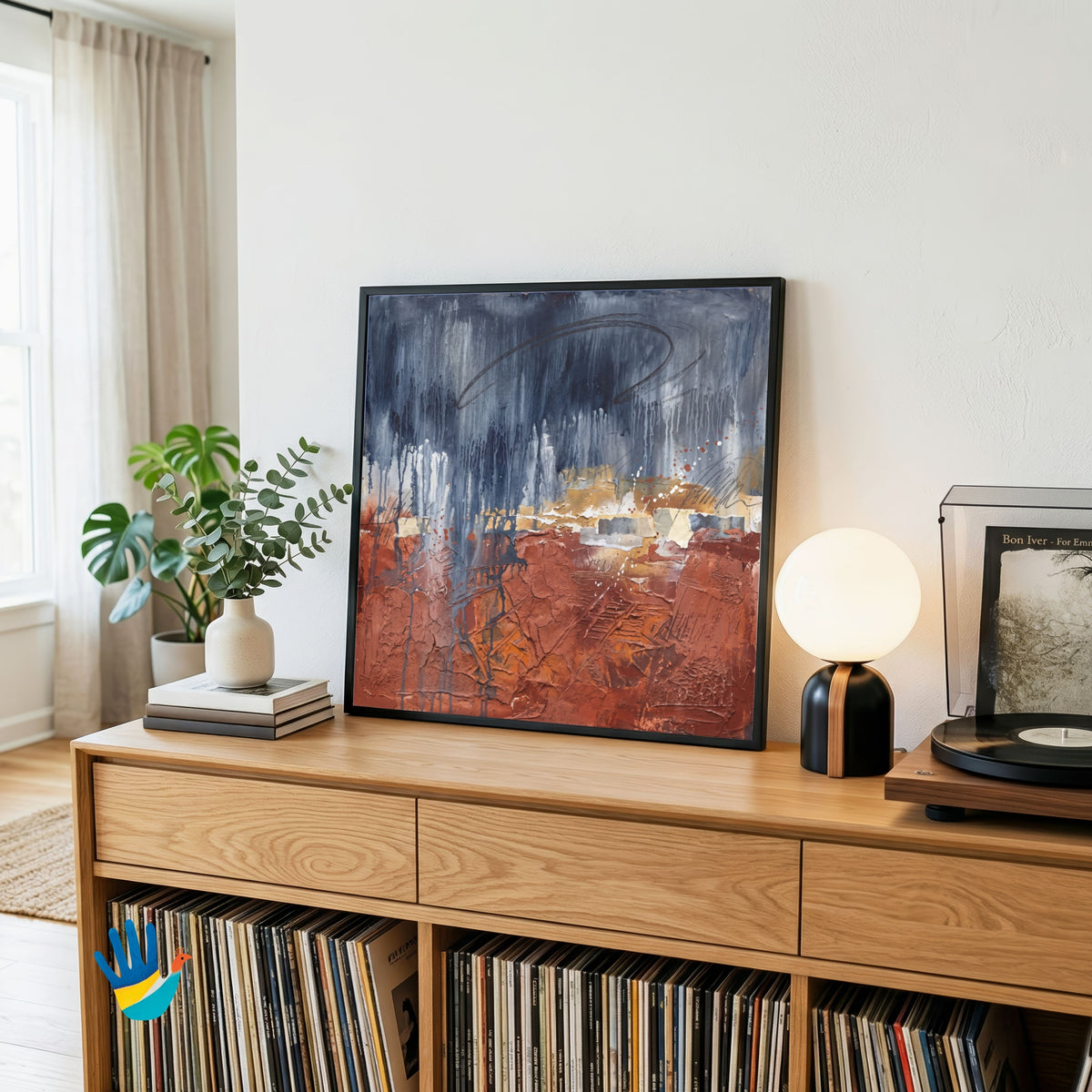
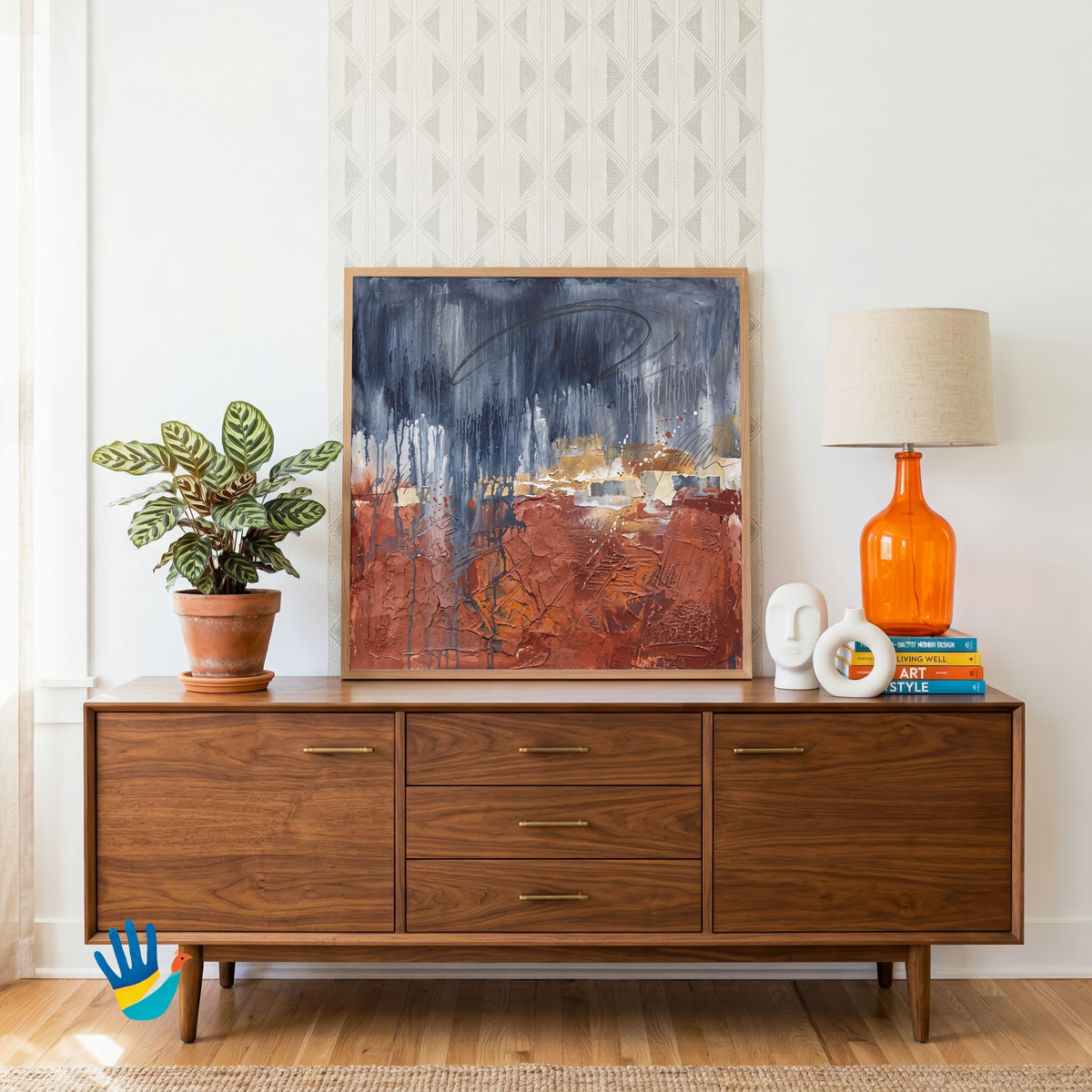
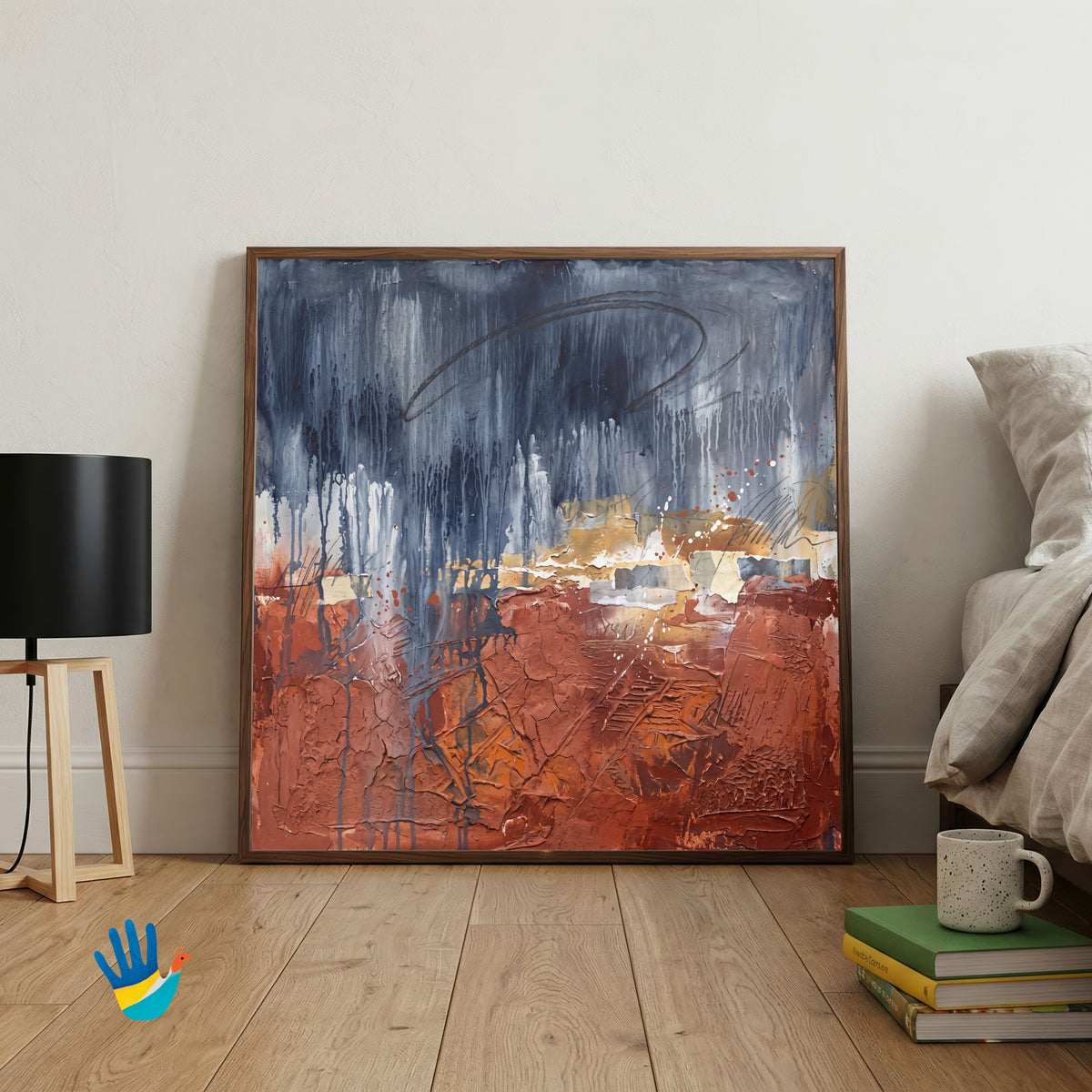
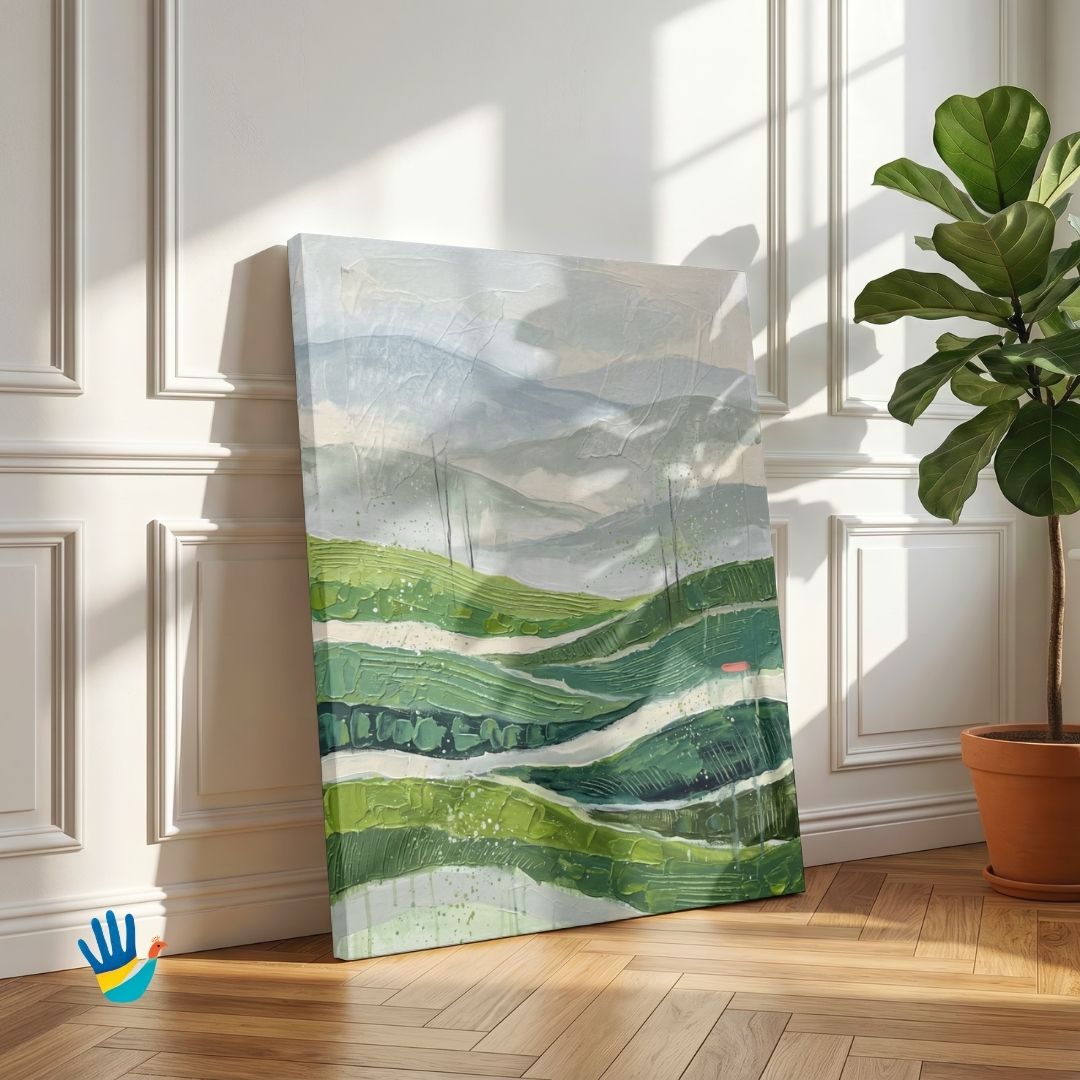
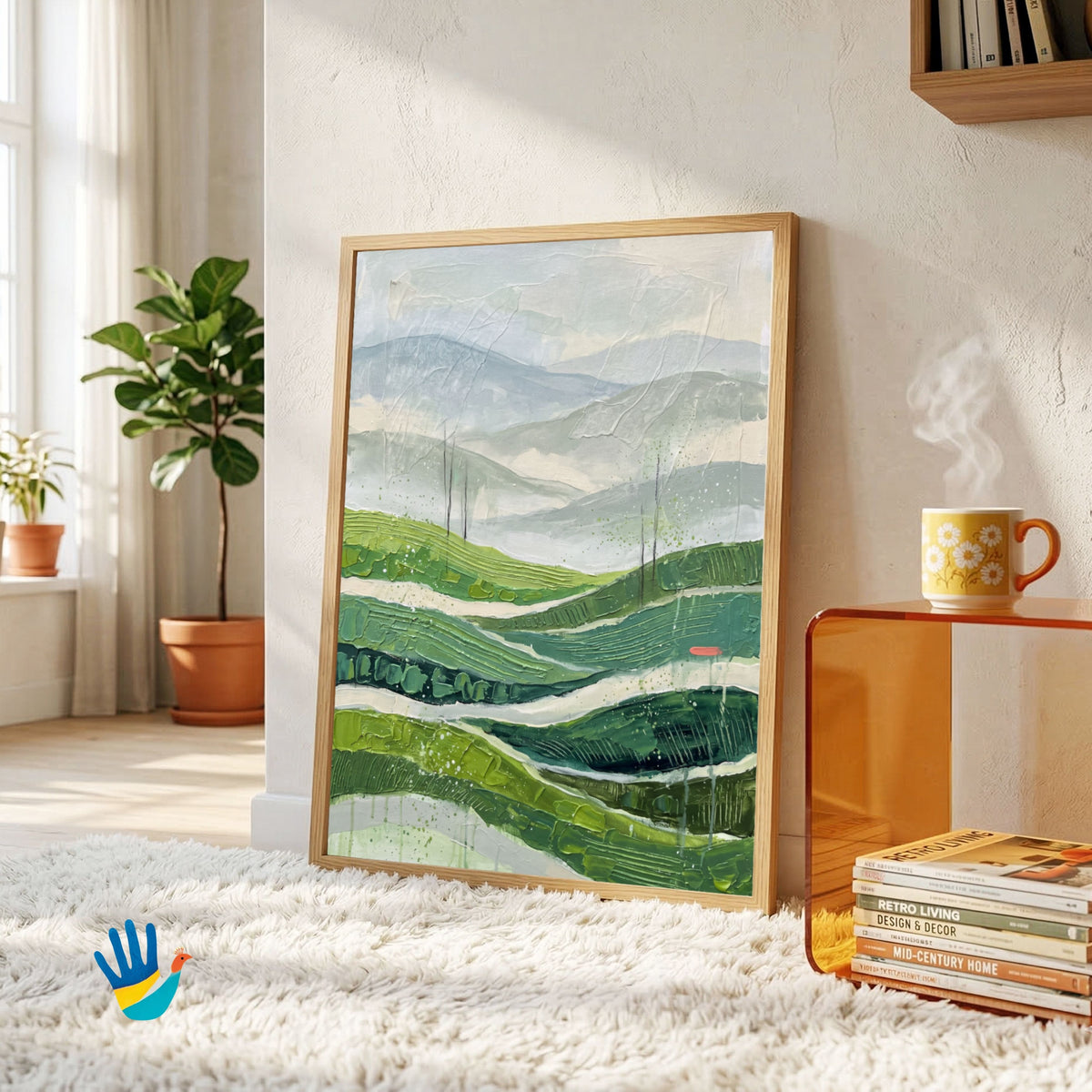
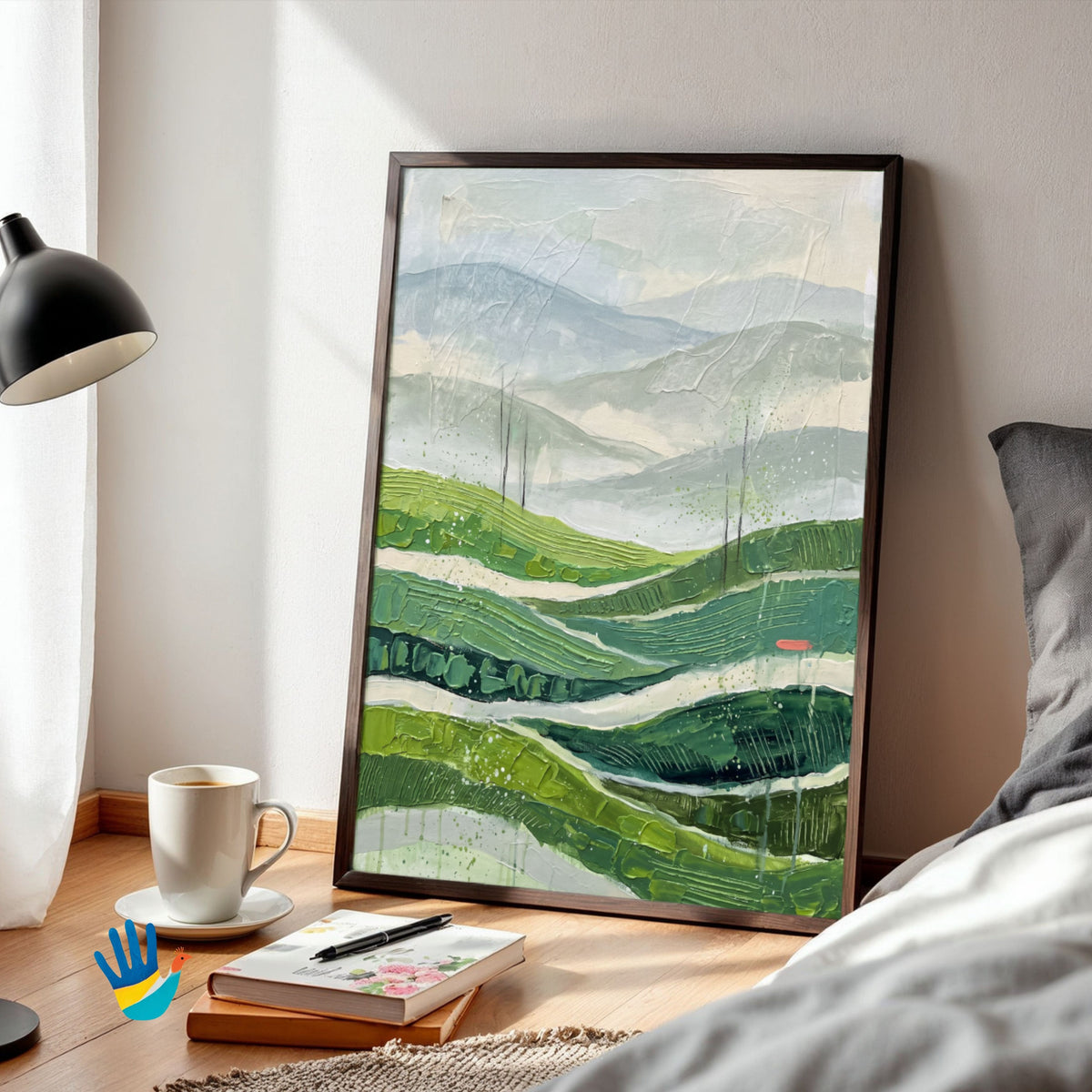
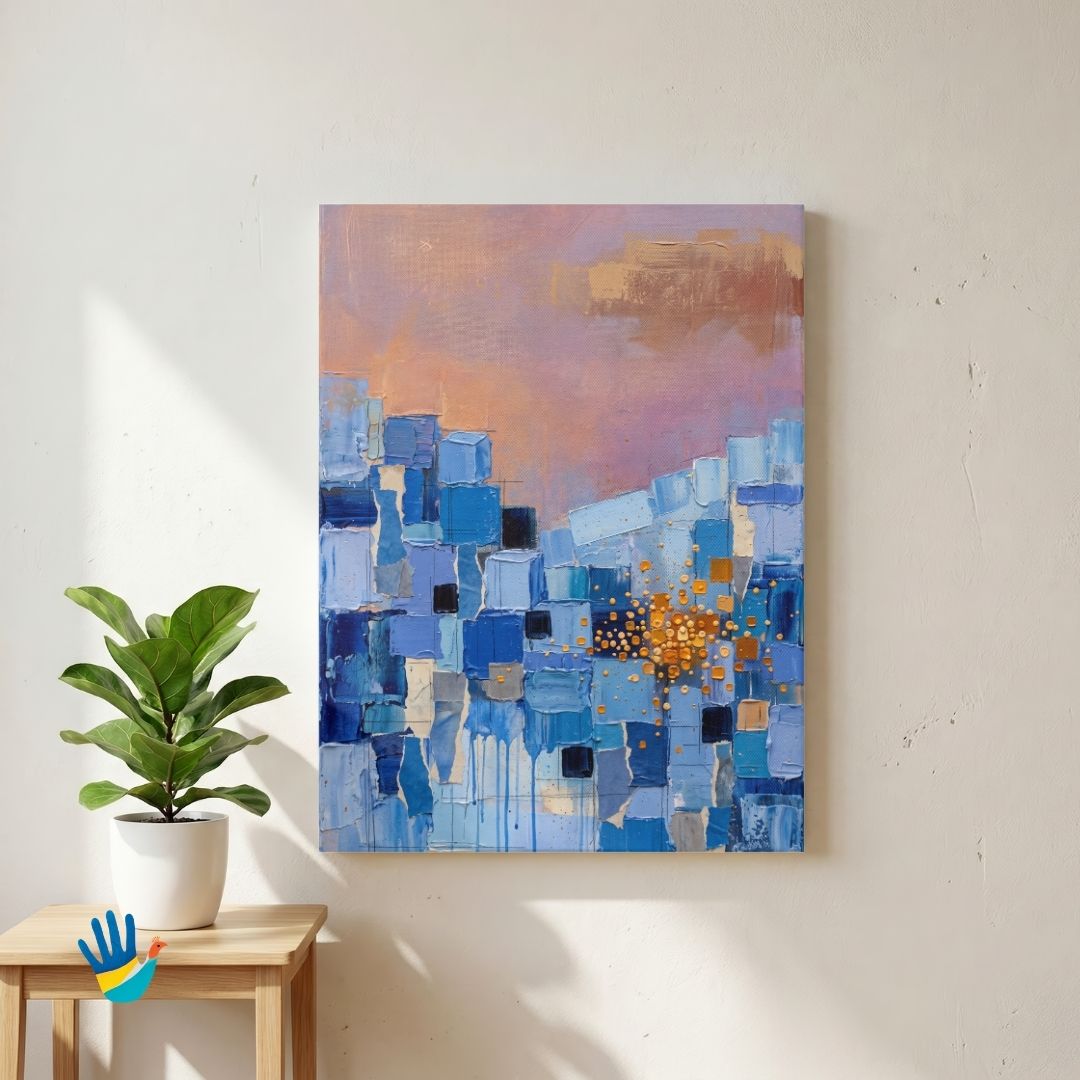
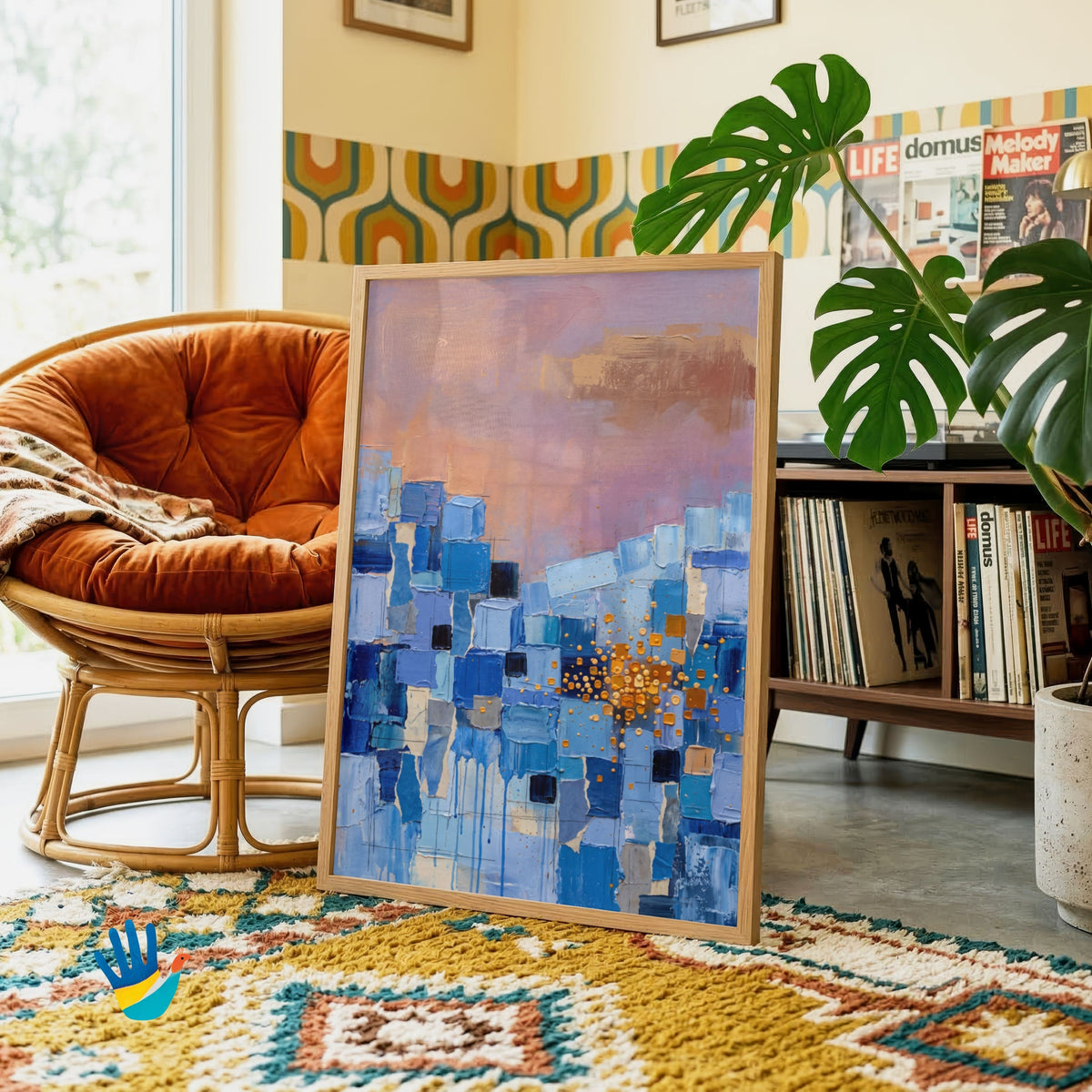
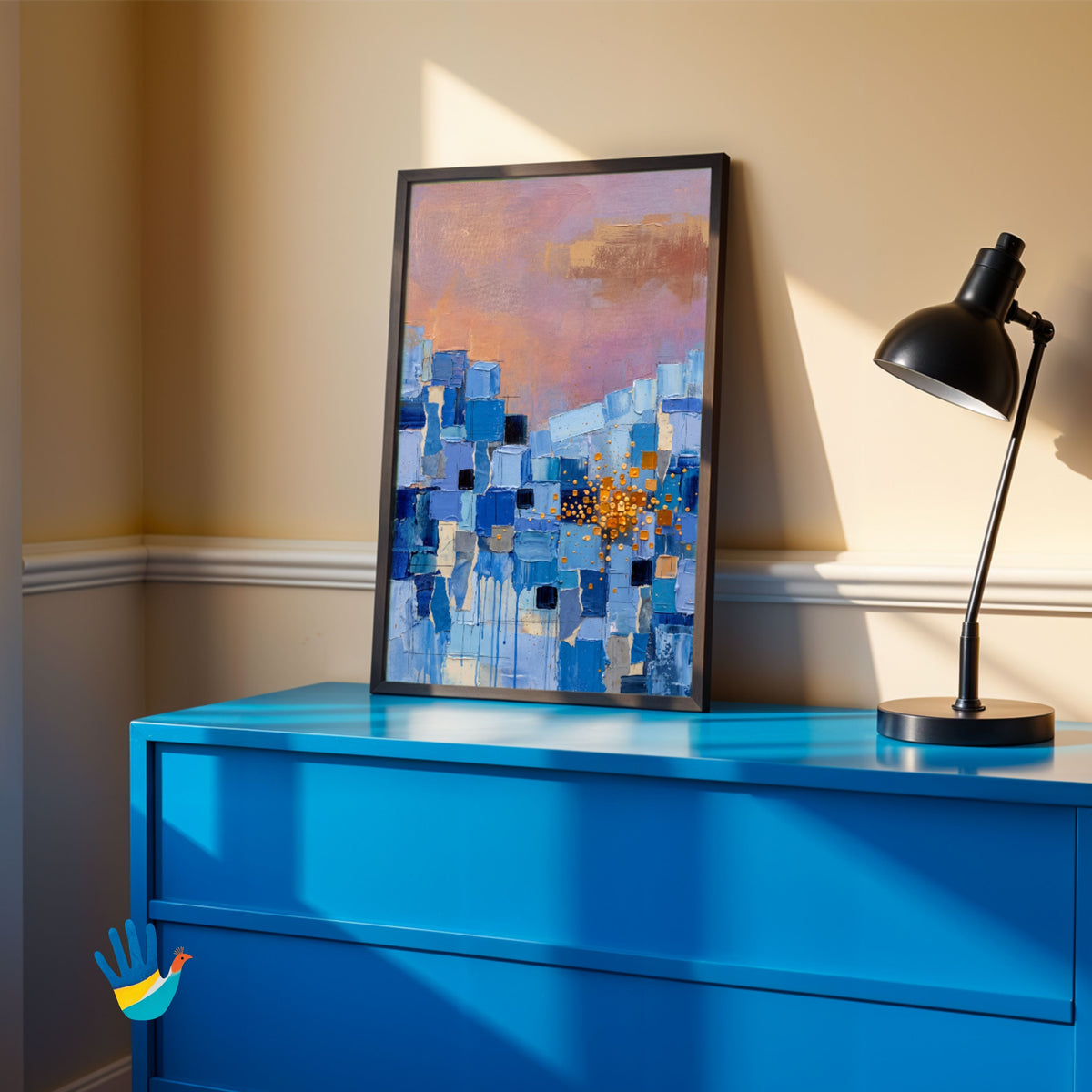
Four pieces step away from any single view. Red Earth, Blue Rain, Tea Country Mist, Saffron Dawn and Blue City Night are statement abstracts: the feeling of the first monsoon shower, the rhythm of hills planted row by row, a rare harvest at dawn and an old city dissolving into blue geometry. They anchor the collection the way a long pause anchors a piece of music.
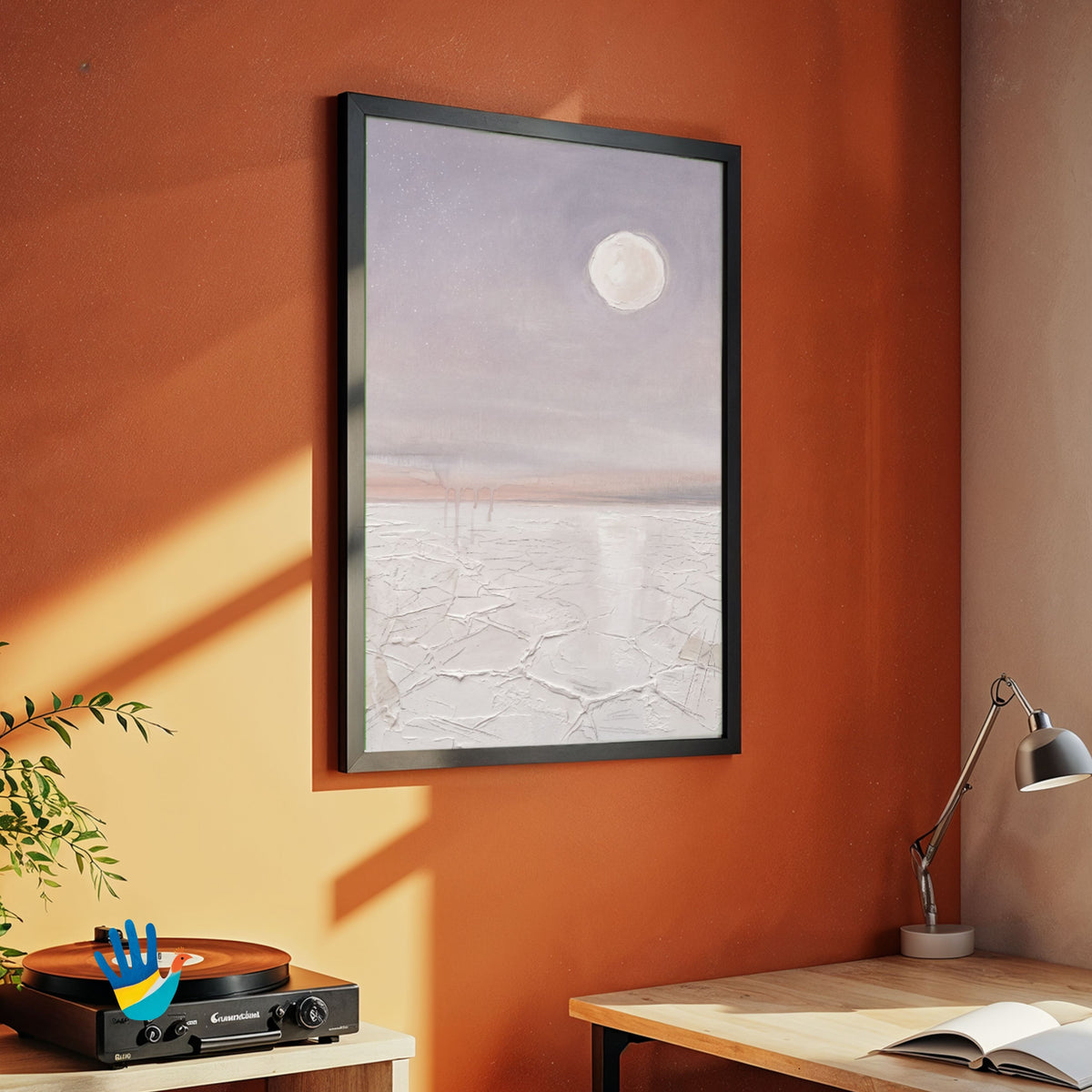
None of these works describes a landmark. There are no forts, temples, boats or people to point at. What remains is the horizon, the weather and the light, which is exactly what we carry home from a place we loved. Each painting is an invitation to remember a journey you have taken, or to begin one you have been dreaming of.
Safarnama is made for homes that want cultural depth without traditional décor: the calm of a modern interior, with the warmth of somewhere real.
Living with Safarnama
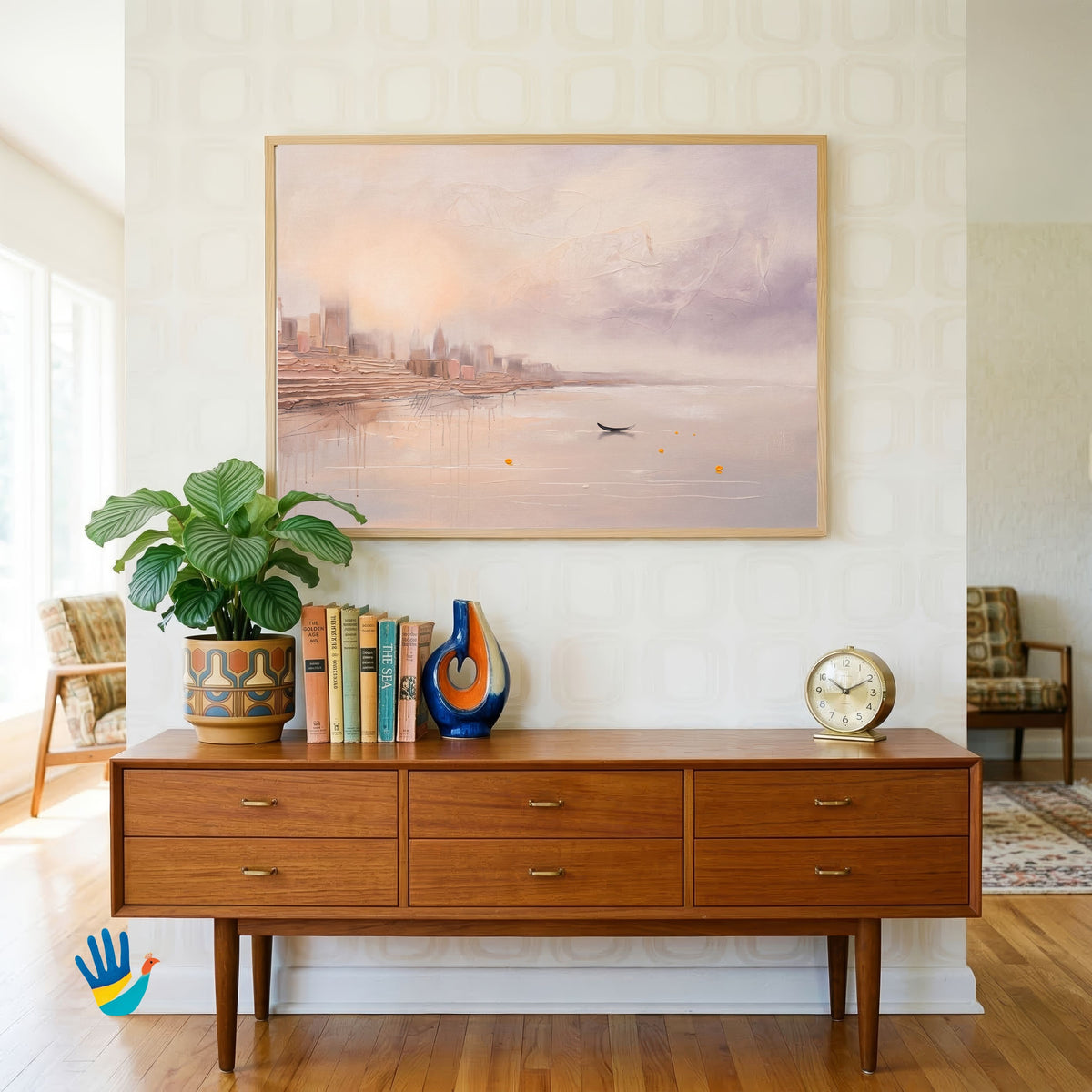
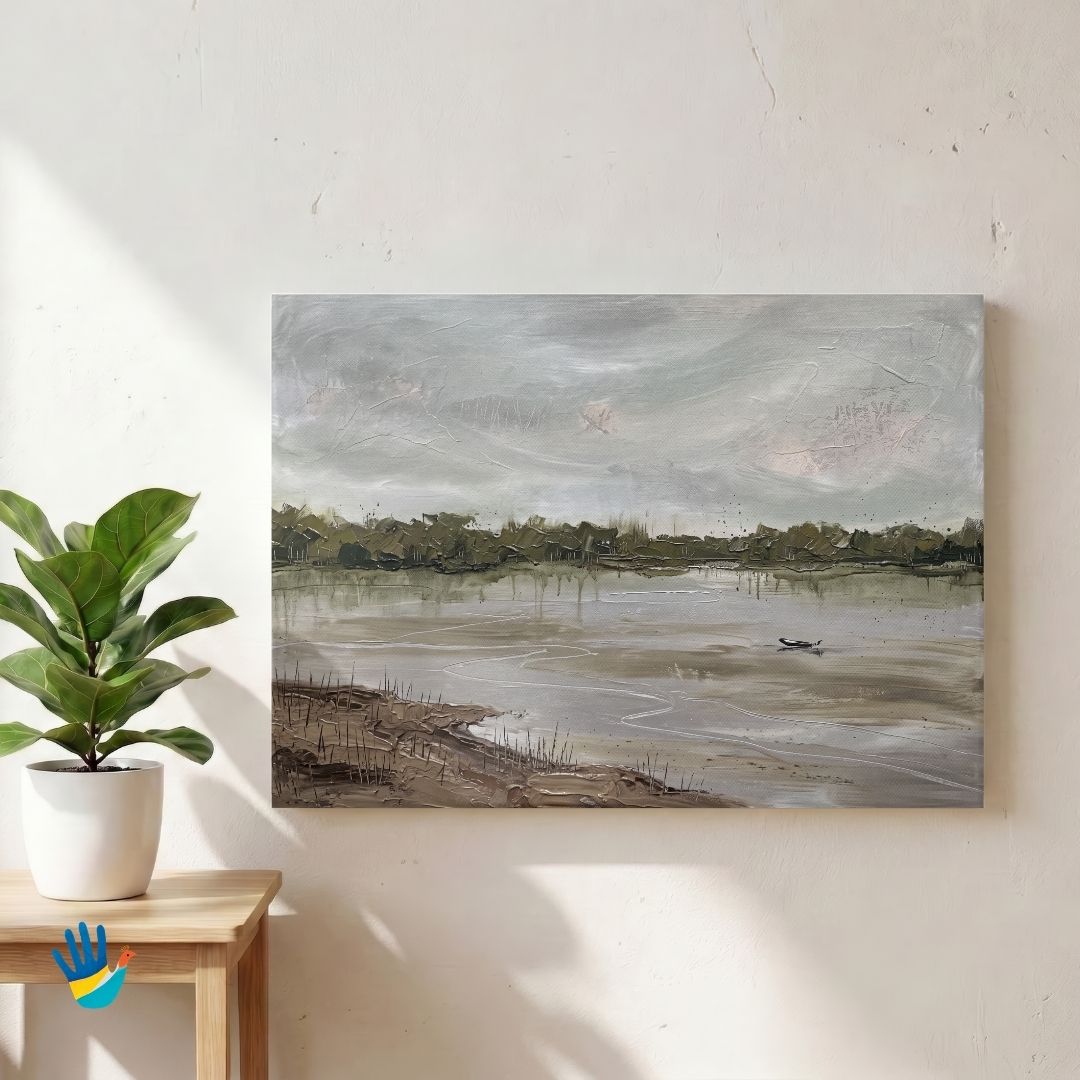
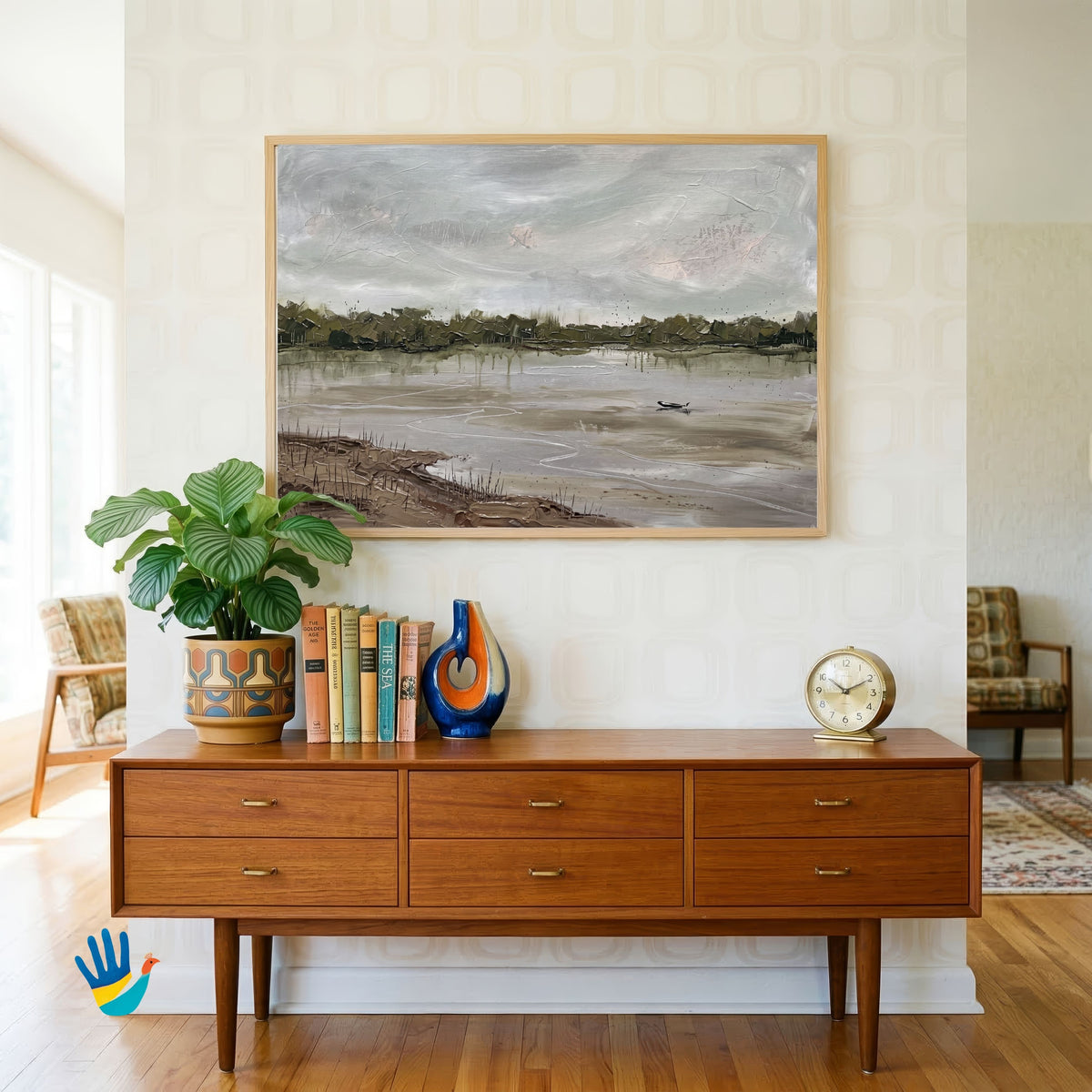
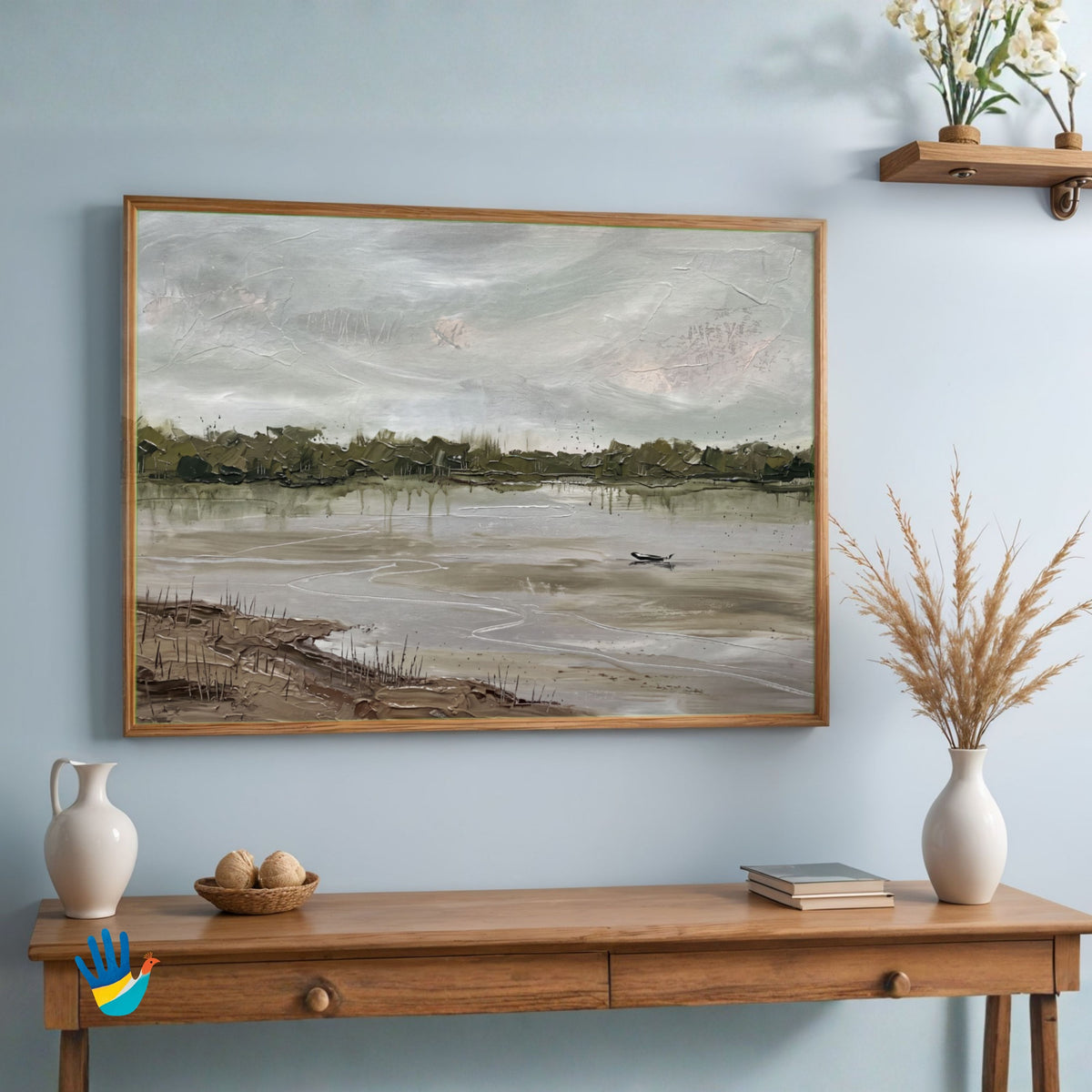
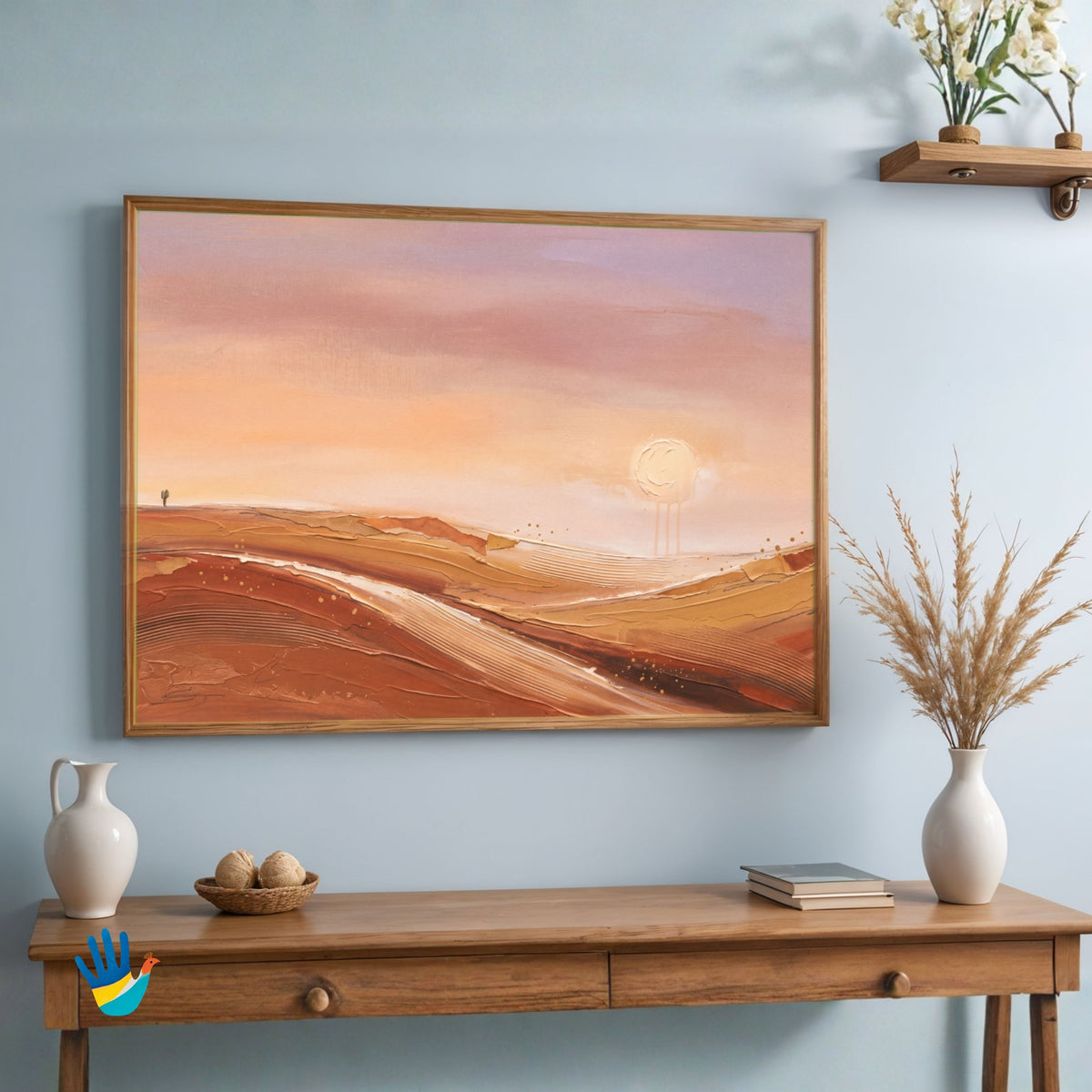
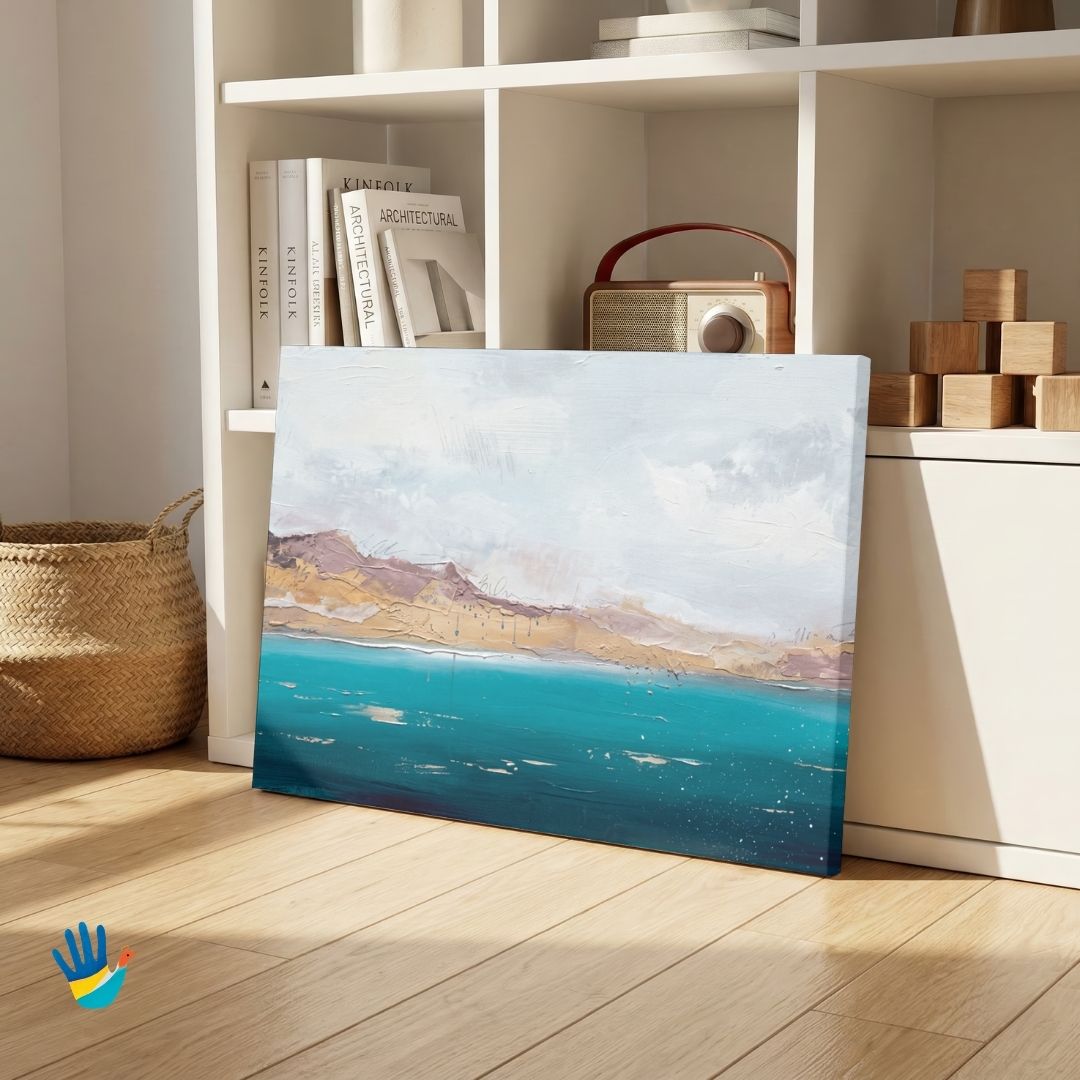
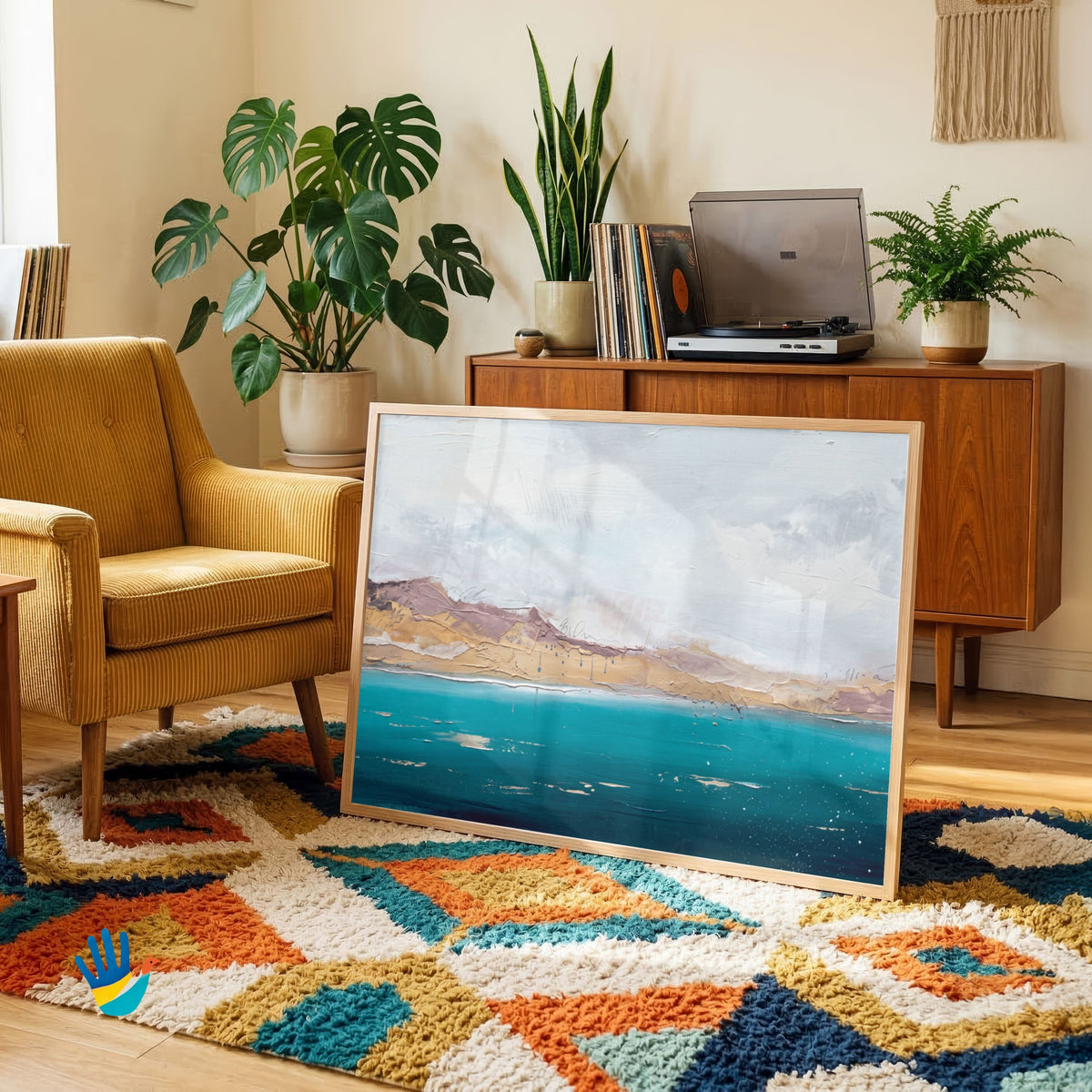
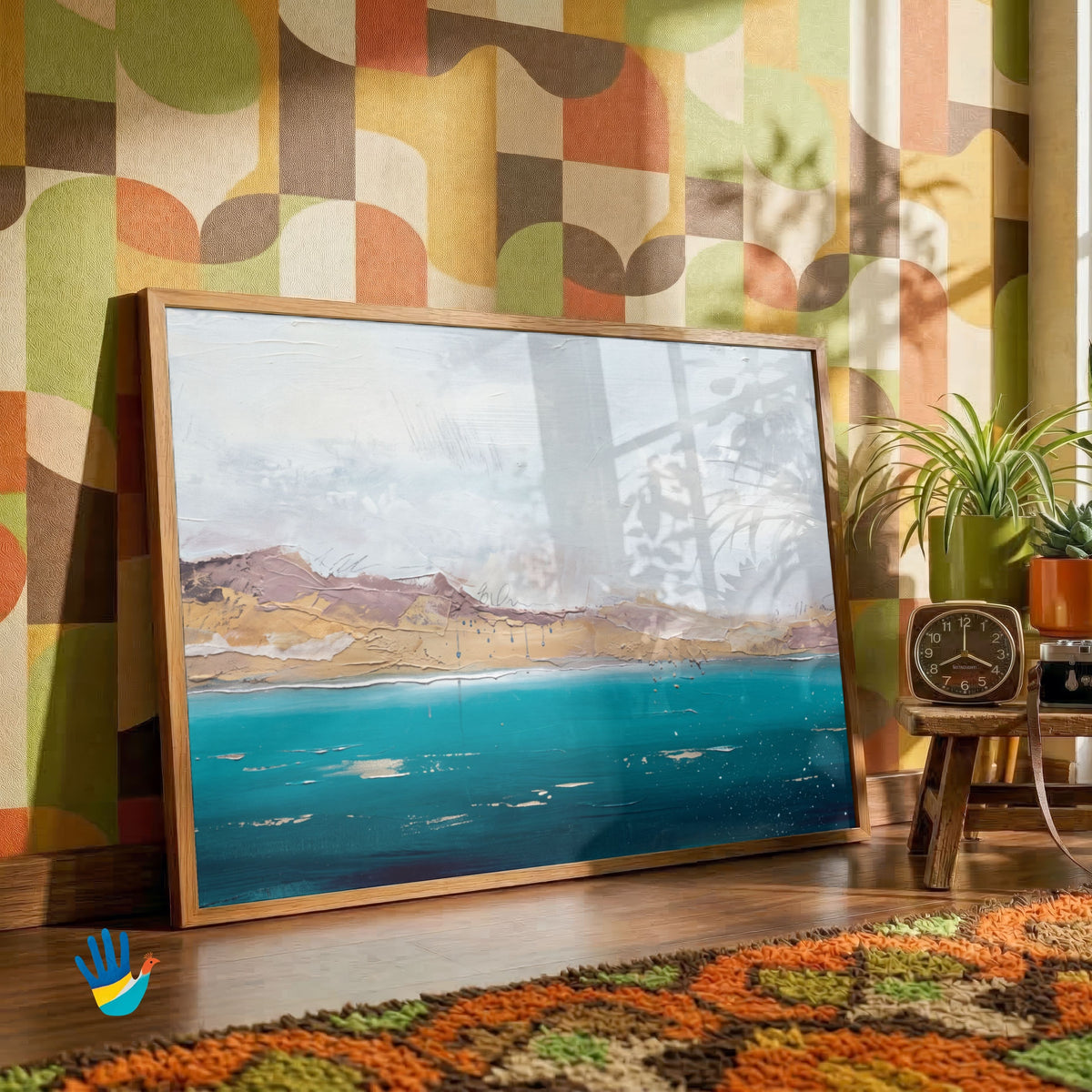
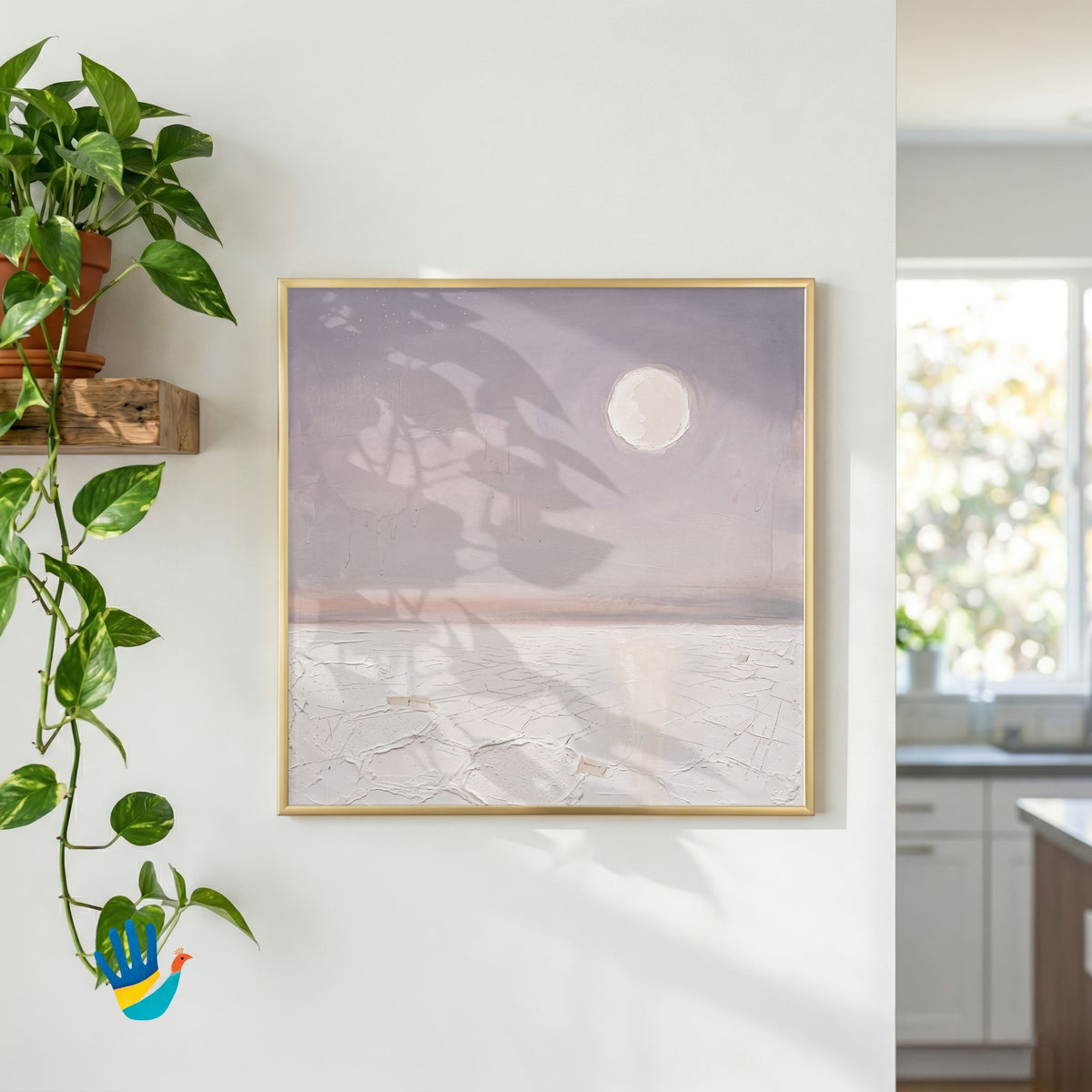
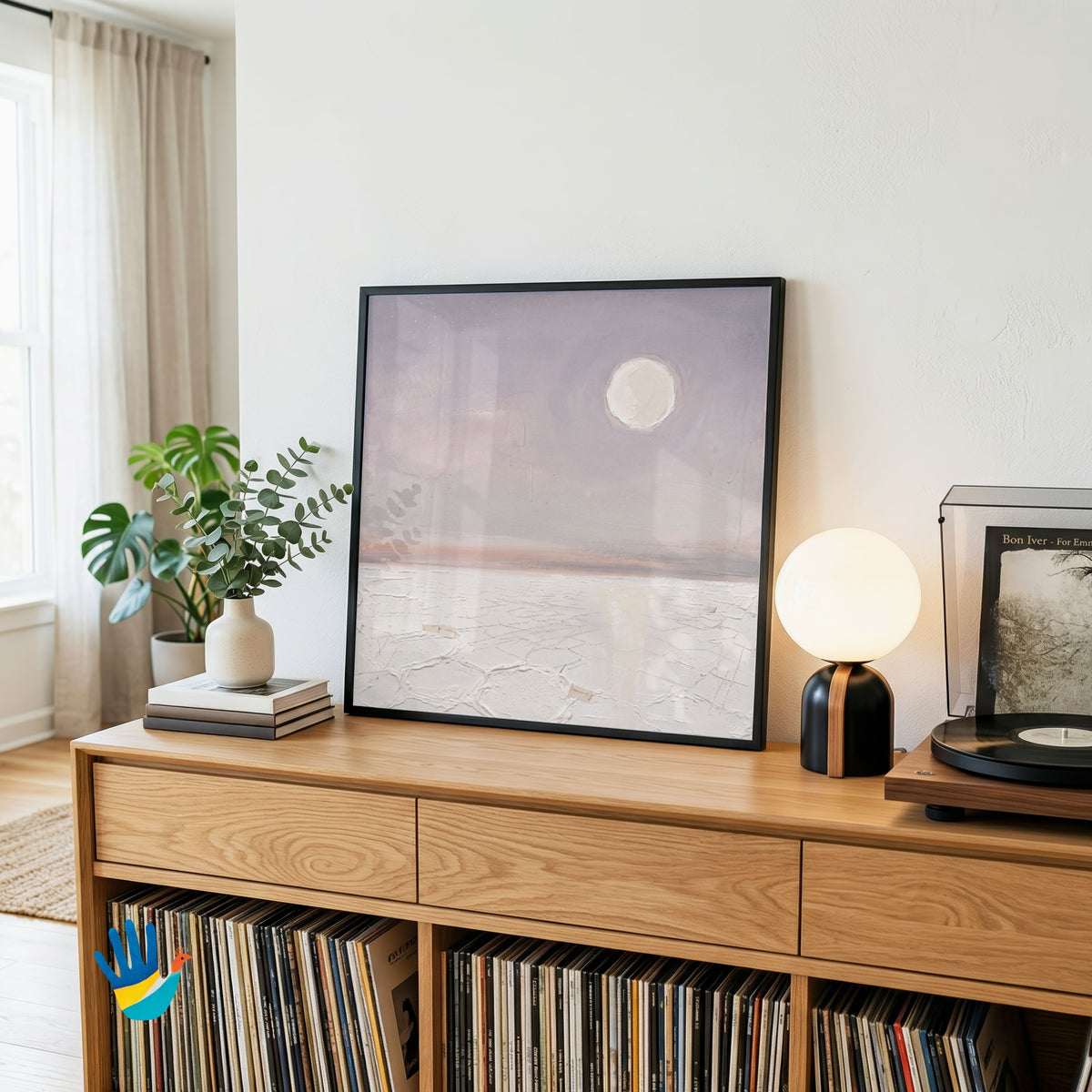
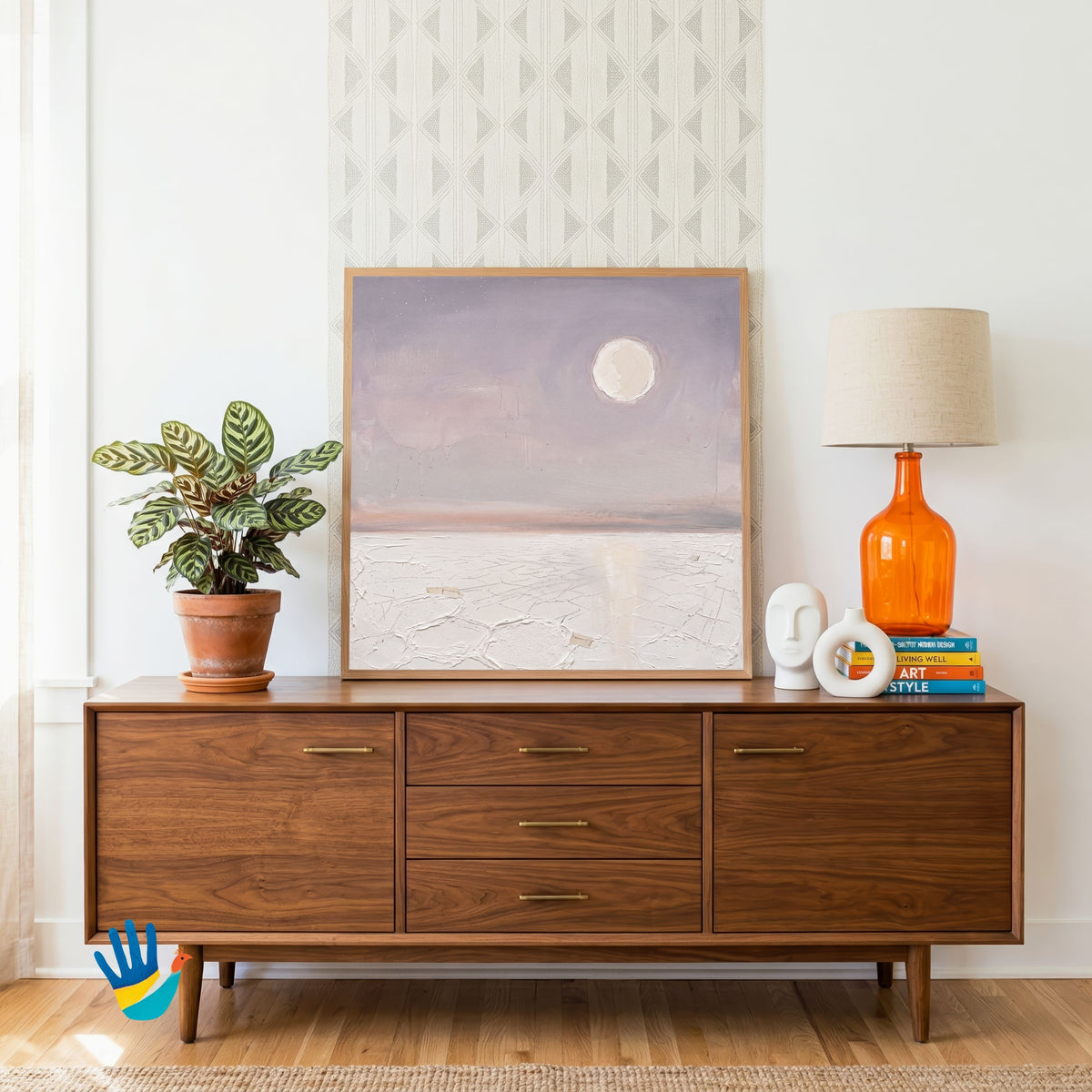
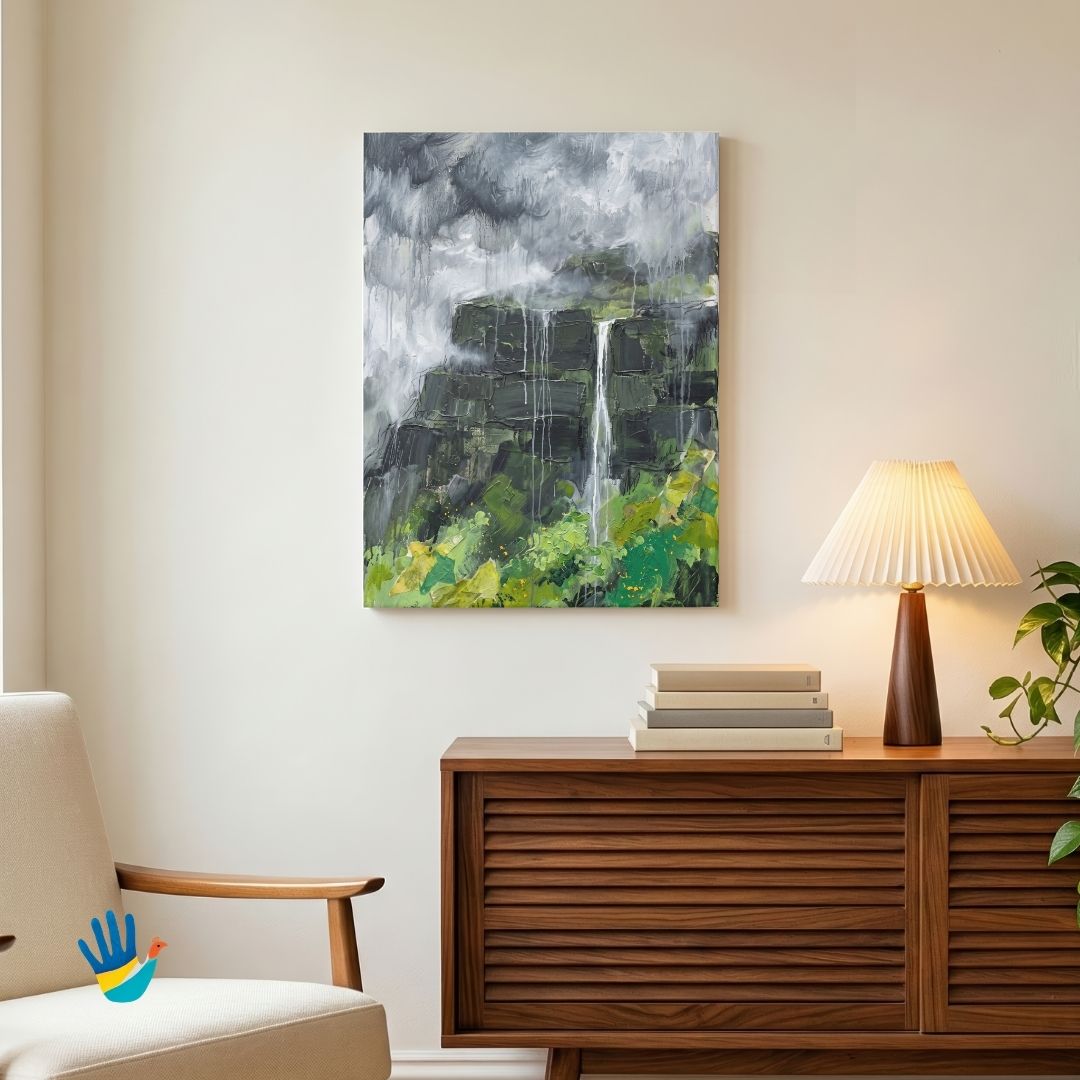
The collection was composed with real rooms in mind. The wide panoramic works (Thar Gold, and the horizontal formats of Pangong Blue, Ganga at First Light and Konkan Shore) sit naturally above sofas, beds and long console tables. The tall verticals (Sahyadri Monsoon, Tea Country Mist) suit stairwells, foyers and narrow walls beside sculptural lighting. The square works (White Rann, Full Moon and Red Earth, Blue Rain) hold a wall on their own or anchor a gallery arrangement.
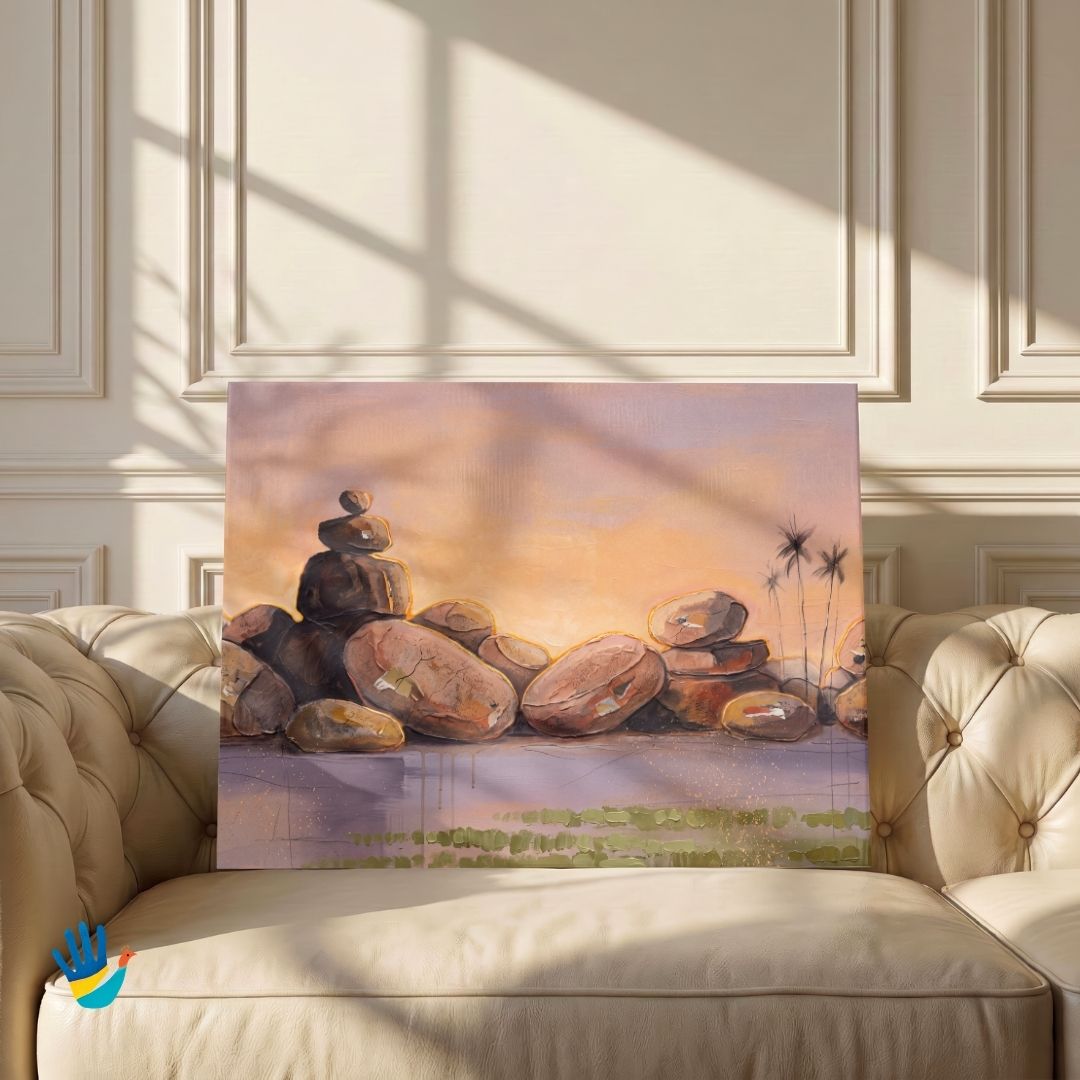
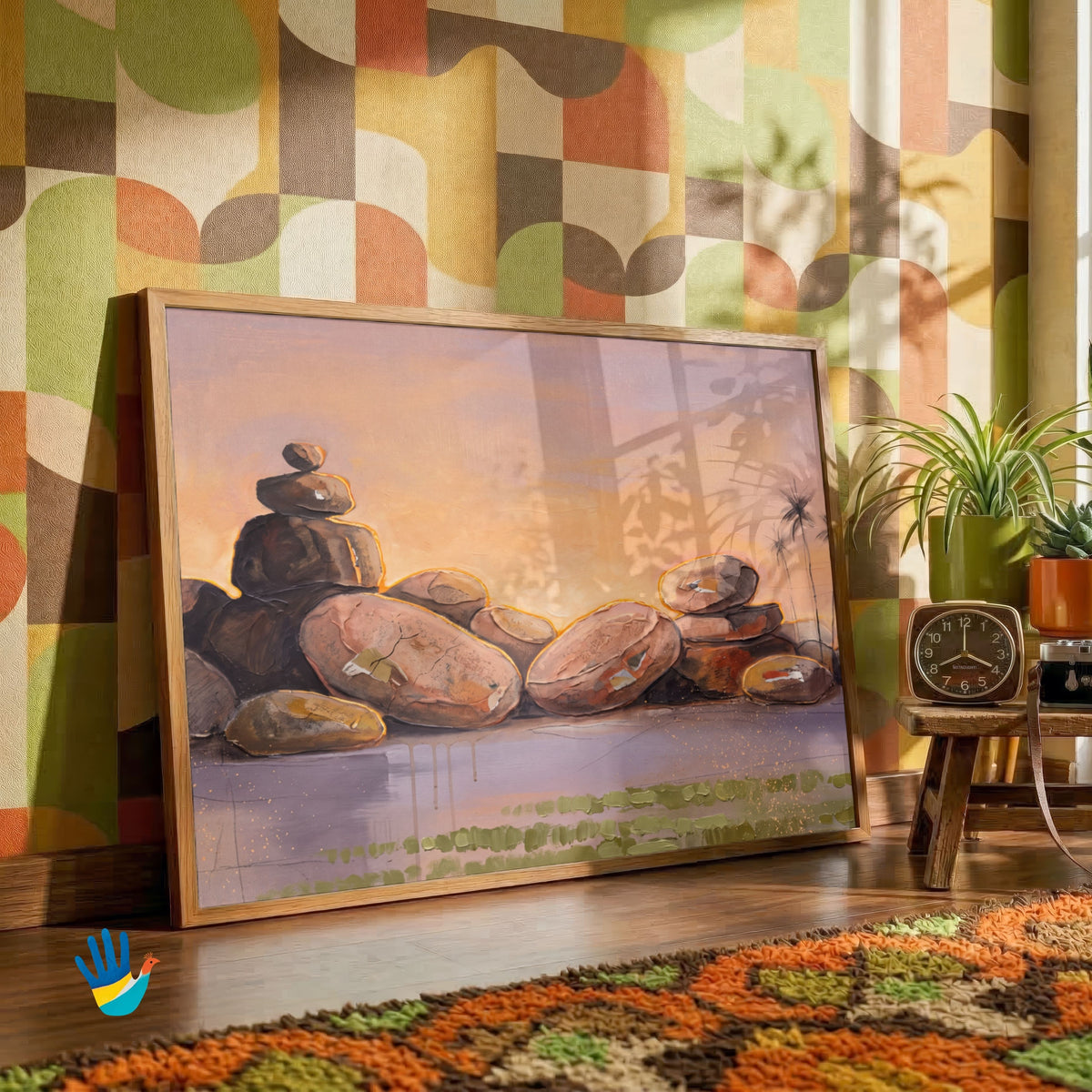
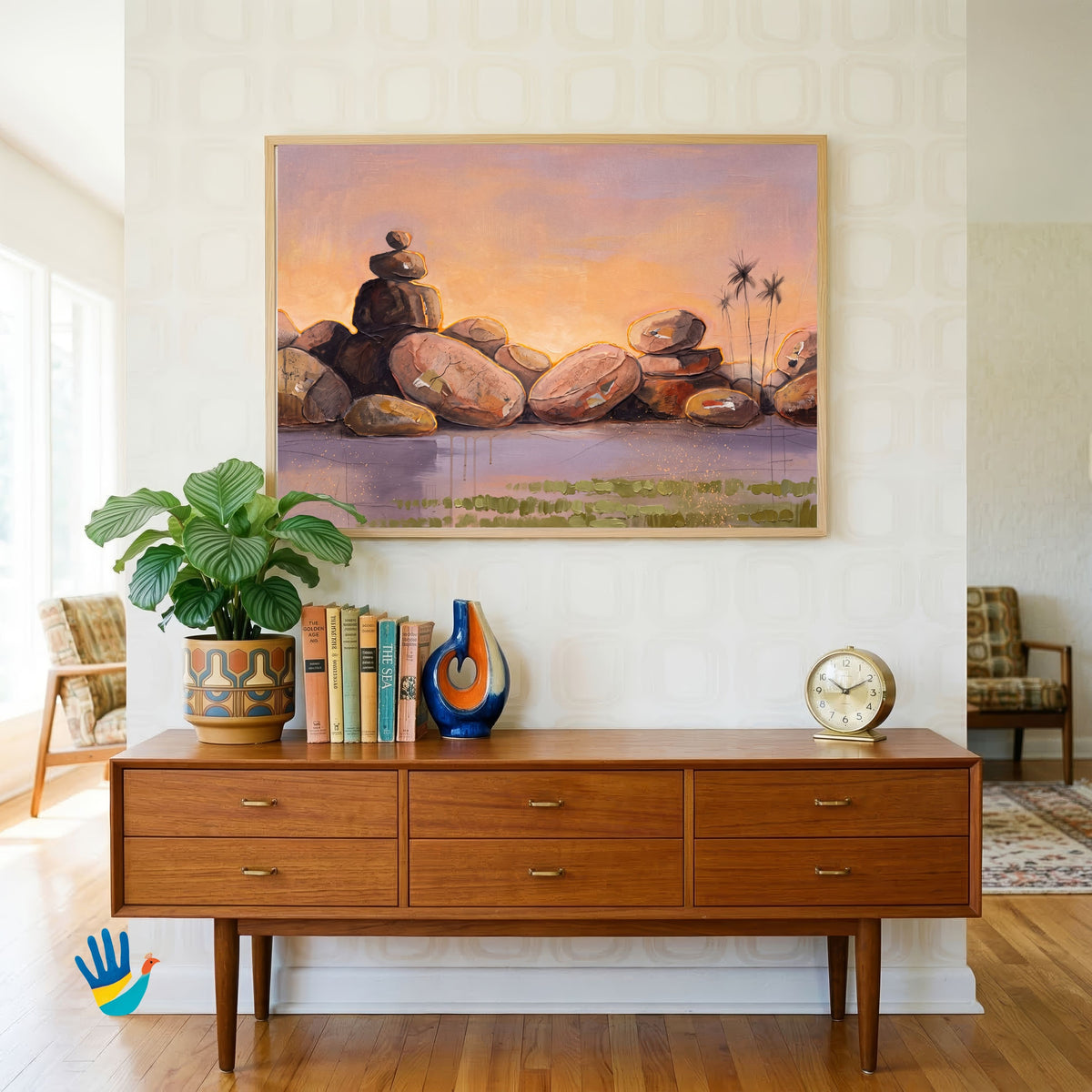
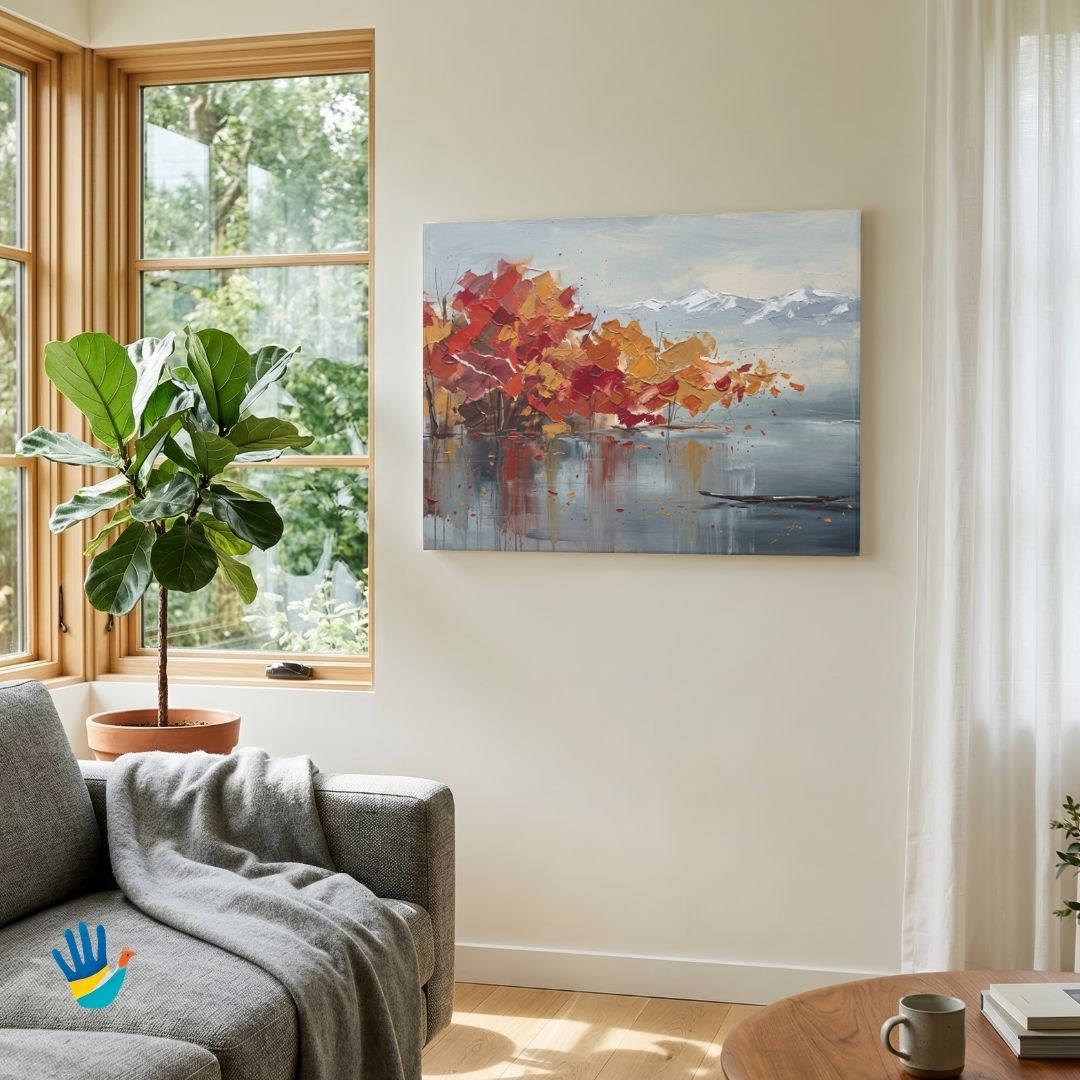
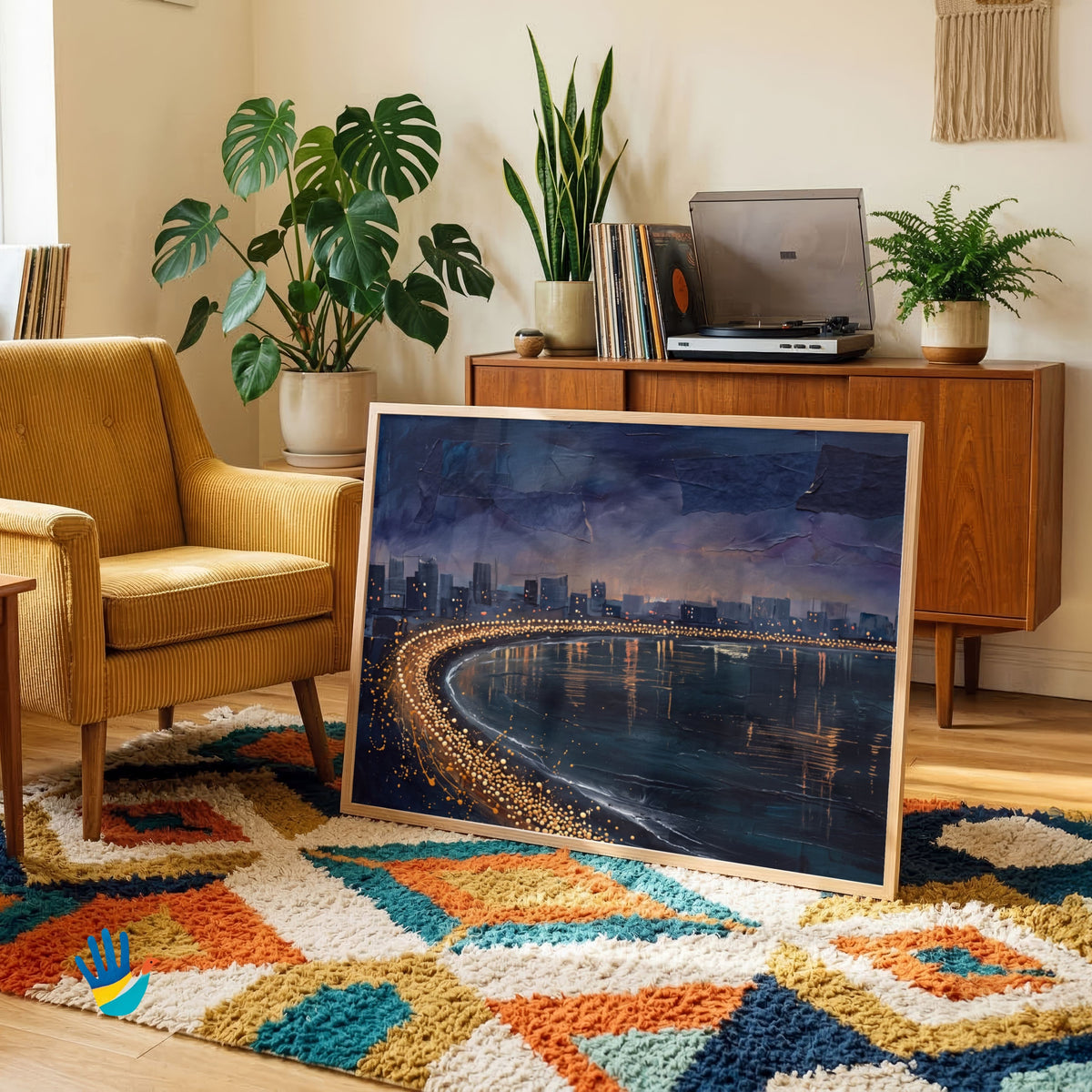
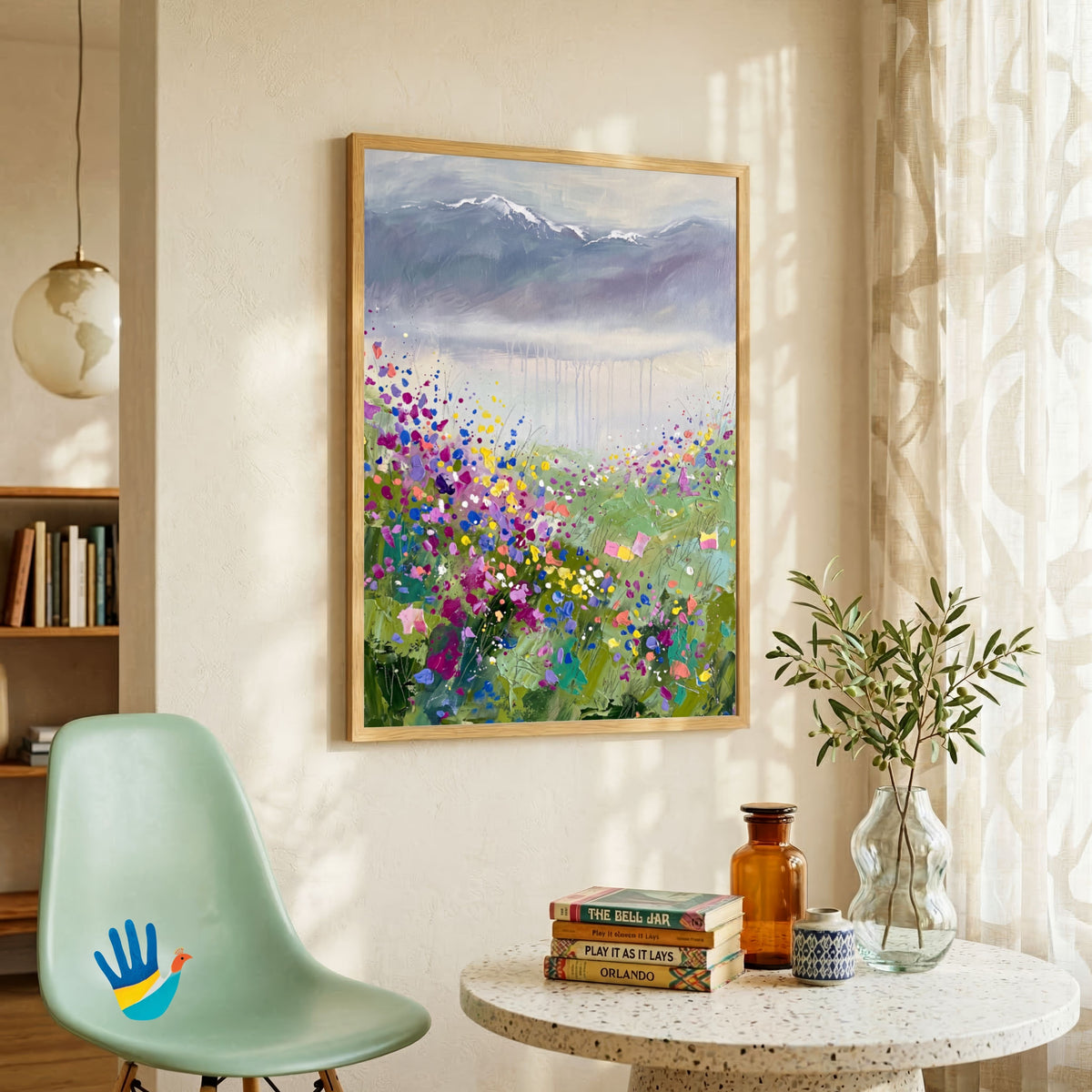
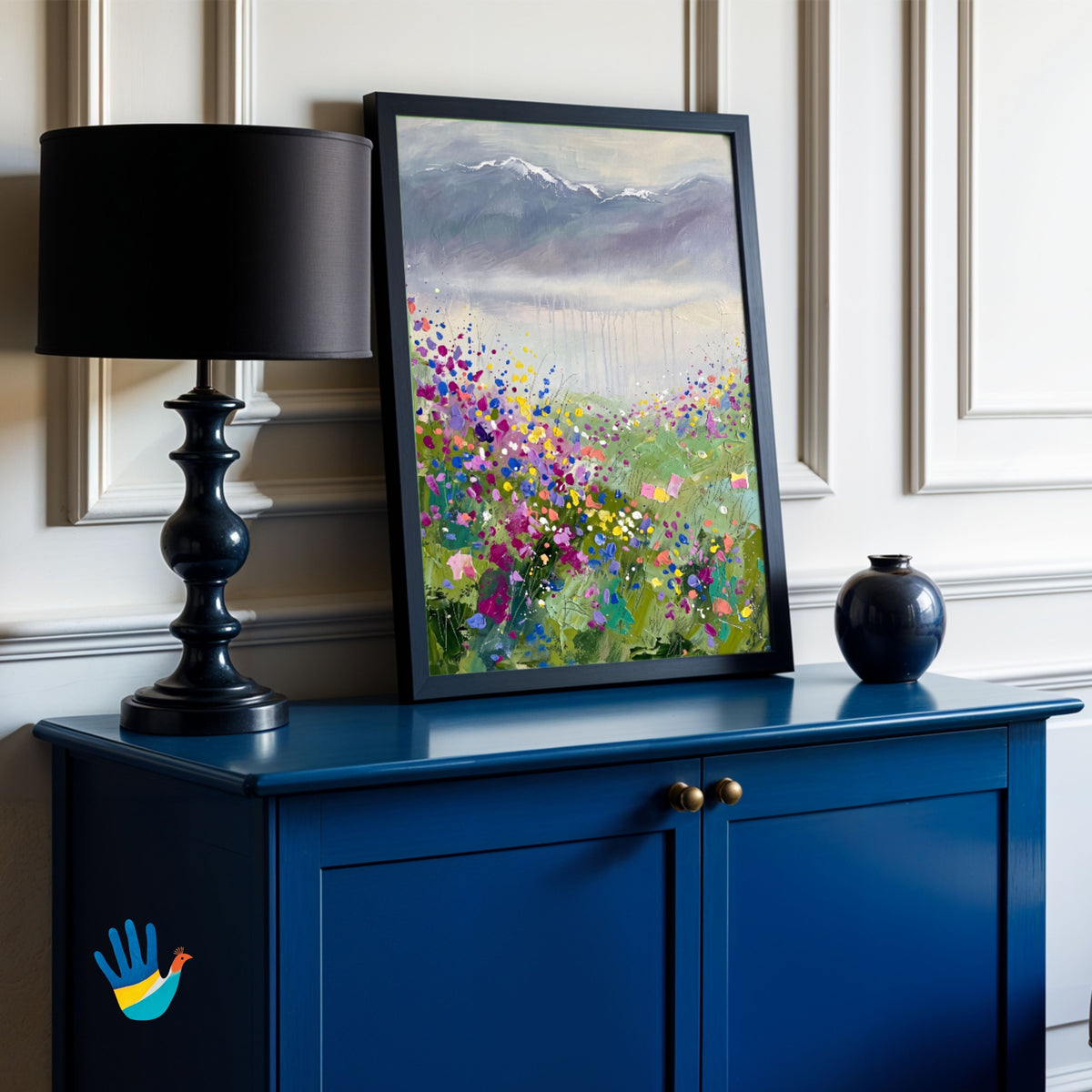
The second half of the collection follows the same logic. Havelock Lagoon and Marine Drive, Midnight are long panoramas for sofas and beds; Hampi Boulders at Dusk and Sundarbans Tide are horizontal works for living rooms and studies; Sohra Clouds, Chinar Autumn, Where Three Seas Meet and Blue City Night are verticals for entrances and narrow walls; Valley of Flowers and Saffron Dawn are squares that hold a wall alone.
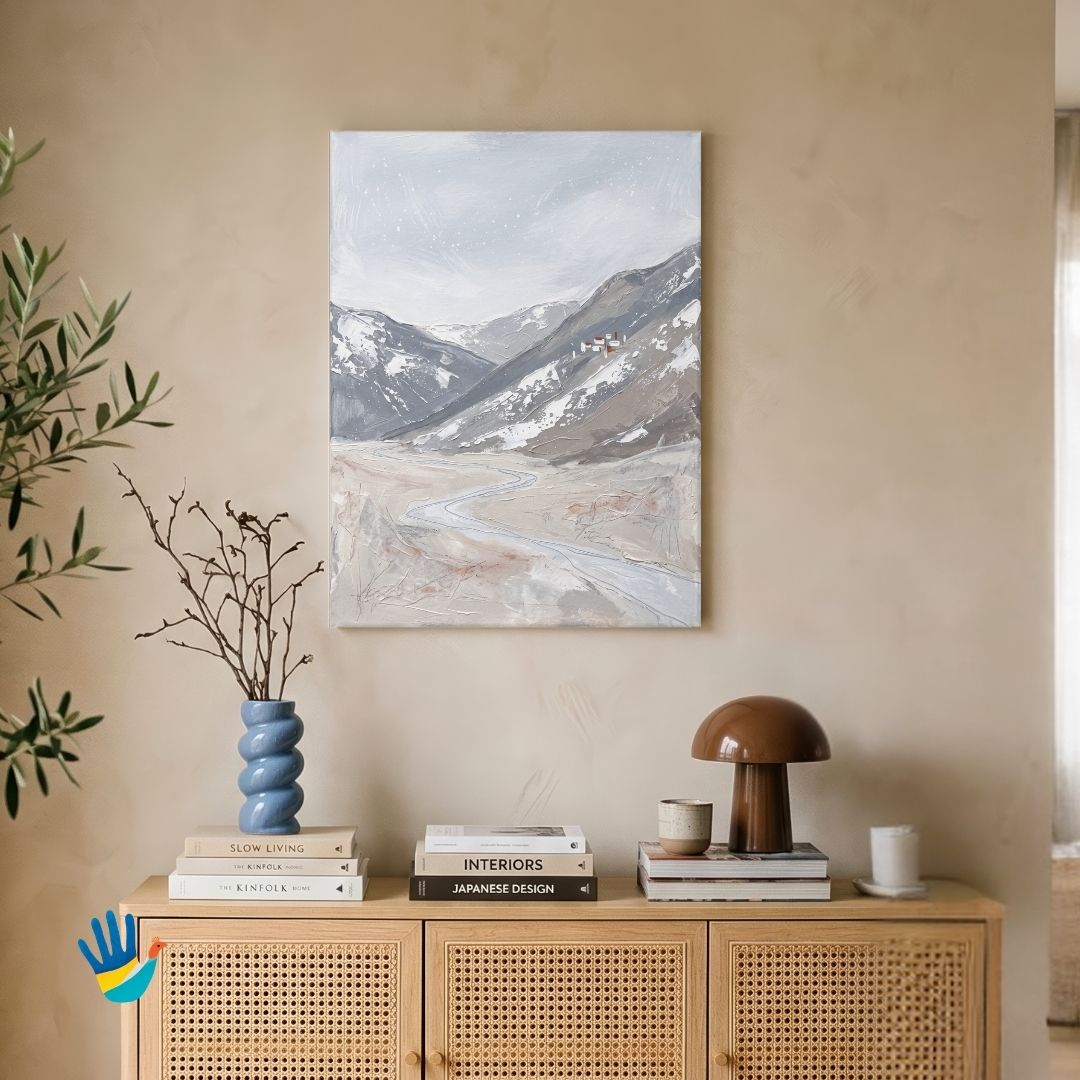
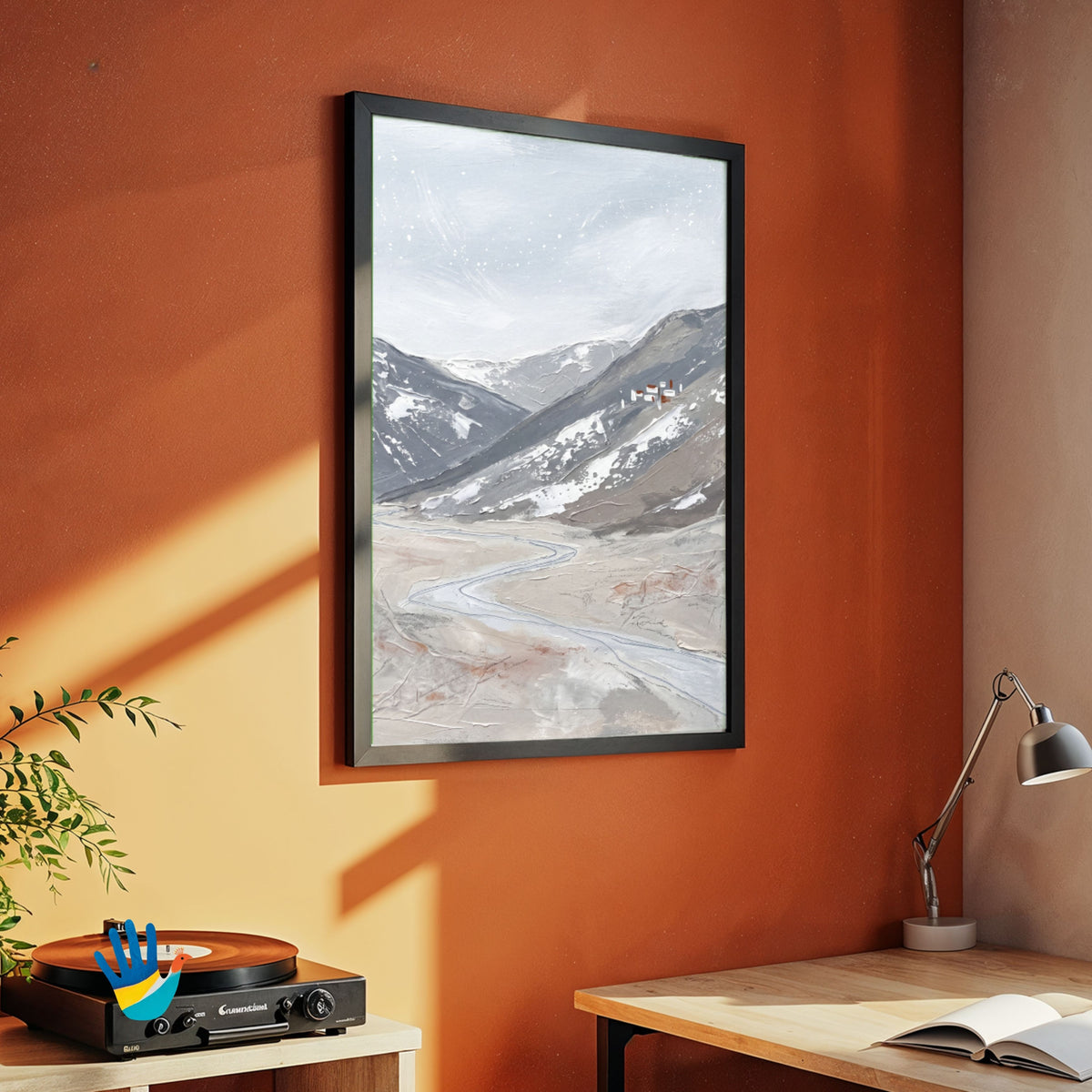
The palettes pair well with the materials of modern Indian interiors: limewash and plaster walls, natural wood, cane, linen, brass and stone. Cool pieces (Pangong, Spiti, White Rann) bring calm to bedrooms and studies; warm pieces (Thar, Ganga, Red Earth) bring glow to living and dining spaces.
About Collection
Safarnama is a travel journal written in colour: twenty atmospheric abstract landscapes, each holding the memory of one Indian place rather than its picture.
In Persian and Urdu, a safarnama is the record a traveller keeps of the road. Not the guidebook's list of sights, but what stayed behind after the journey ended: the light on a lake at 4,000 metres, the hush of a salt desert at moonrise, the smell of first rain on red earth. This collection is built from that kind of remembering.
The journey runs the length and breadth of the country. It begins in the thin, bright air above Pangong in Ladakh, the frozen stillness of Spiti and the red chinar autumn of Kashmir. It drops into the golden dunes of the Thar and the white silence of the Rann of Kutch. It follows the Ganga at dawn in Varanasi, climbs into the monsoon cloud of the Sahyadri and the flowering meadows of Uttarakhand, and floats above the clouds of Meghalaya. It crosses the granite boulders of Hampi and the tidal mangroves of the Sundarbans, pauses on Mumbai's seafront after midnight, and comes to rest on the red cliffs of the Konkan, the slow green waters of Kerala, the glass-clear lagoons of the Andamans and, finally, the southern tip at Kanyakumari, where three seas meet.
Four pieces step away from any single view. Red Earth, Blue Rain, Tea Country Mist, Saffron Dawn and Blue City Night are statement abstracts: the feeling of the first monsoon shower, the rhythm of hills planted row by row, a rare harvest at dawn and an old city dissolving into blue geometry. They anchor the collection the way a long pause anchors a piece of music.
None of these works describes a landmark. There are no forts, temples, boats or people to point at. What remains is the horizon, the weather and the light, which is exactly what we carry home from a place we loved. Each painting is an invitation to remember a journey you have taken, or to begin one you have been dreaming of.
Safarnama is made for homes that want cultural depth without traditional décor: the calm of a modern interior, with the warmth of somewhere real.
Living with Safarnama
The collection was composed with real rooms in mind. The wide panoramic works (Thar Gold, and the horizontal formats of Pangong Blue, Ganga at First Light and Konkan Shore) sit naturally above sofas, beds and long console tables. The tall verticals (Sahyadri Monsoon, Tea Country Mist) suit stairwells, foyers and narrow walls beside sculptural lighting. The square works (White Rann, Full Moon and Red Earth, Blue Rain) hold a wall on their own or anchor a gallery arrangement.
The second half of the collection follows the same logic. Havelock Lagoon and Marine Drive, Midnight are long panoramas for sofas and beds; Hampi Boulders at Dusk and Sundarbans Tide are horizontal works for living rooms and studies; Sohra Clouds, Chinar Autumn, Where Three Seas Meet and Blue City Night are verticals for entrances and narrow walls; Valley of Flowers and Saffron Dawn are squares that hold a wall alone.
The palettes pair well with the materials of modern Indian interiors: limewash and plaster walls, natural wood, cane, linen, brass and stone. Cool pieces (Pangong, Spiti, White Rann) bring calm to bedrooms and studies; warm pieces (Thar, Ganga, Red Earth) bring glow to living and dining spaces.
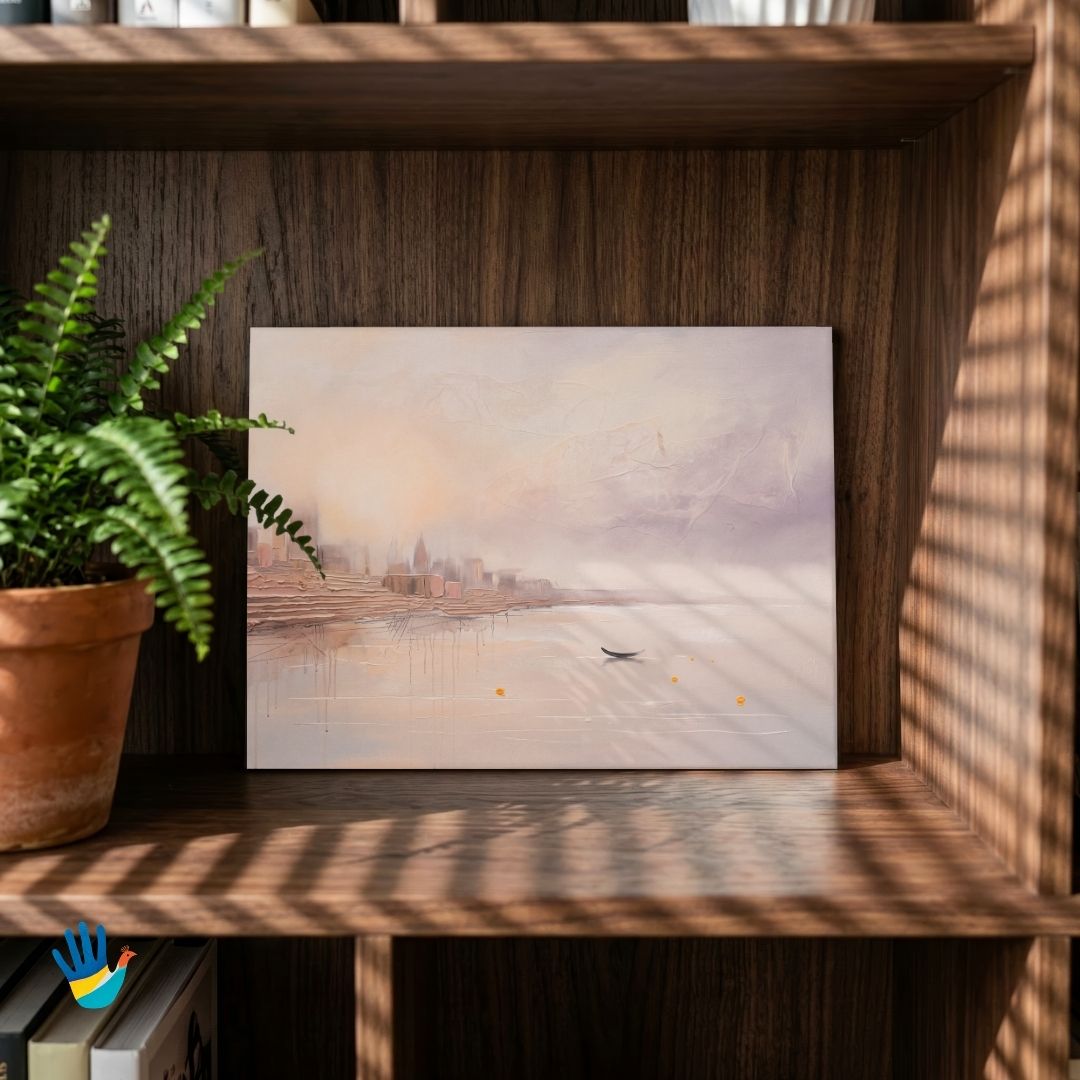


Safarnama is a travel journal written in colour: twenty atmospheric abstract landscapes, each holding the memory of one Indian place rather than its picture.
In Persian and Urdu, a safarnama is the record a traveller keeps of the road. Not the guidebook's list of sights, but what stayed behind after the journey ended: the light on a lake at 4,000 metres, the hush of a salt desert at moonrise, the smell of first rain on red earth. This collection is built from that kind of remembering.
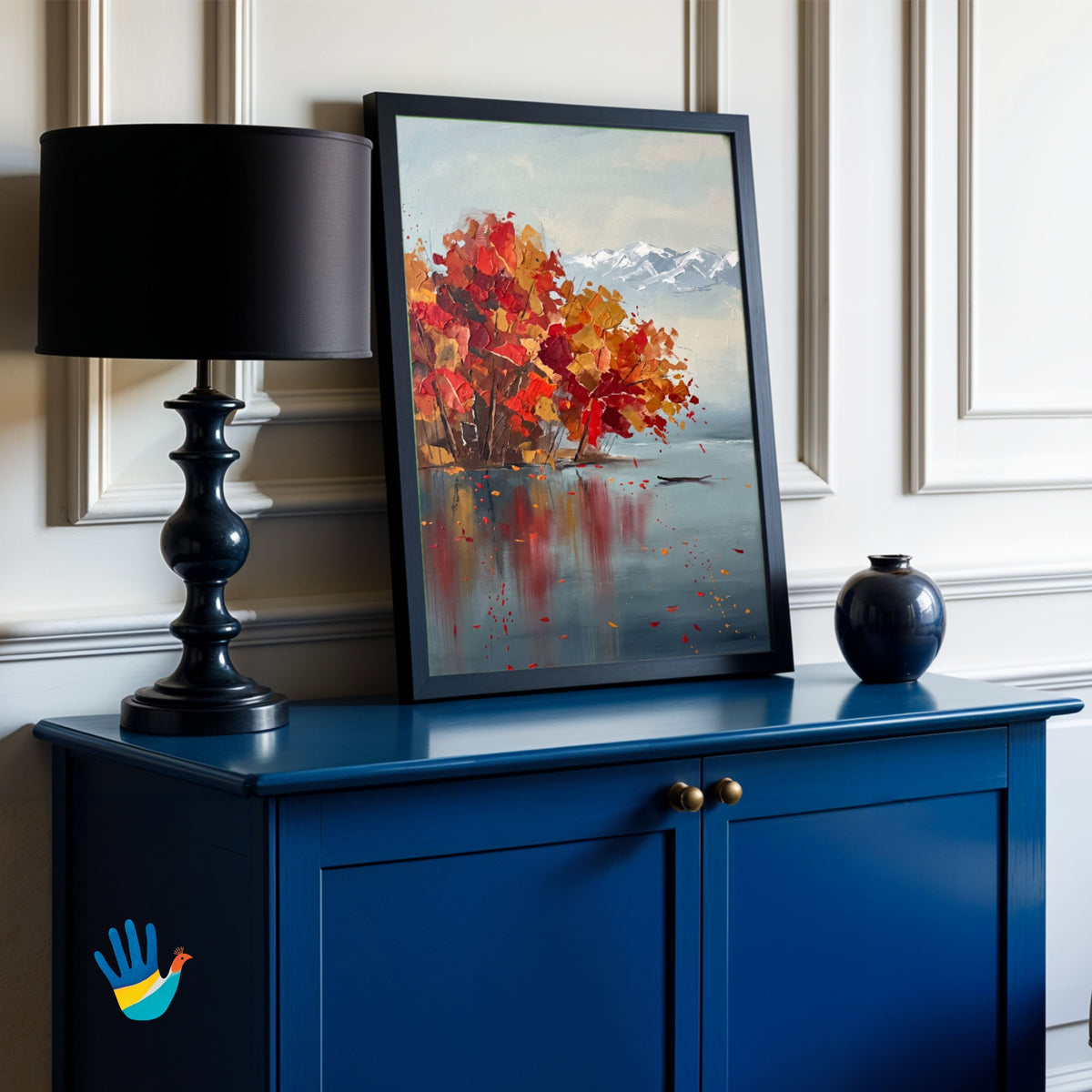
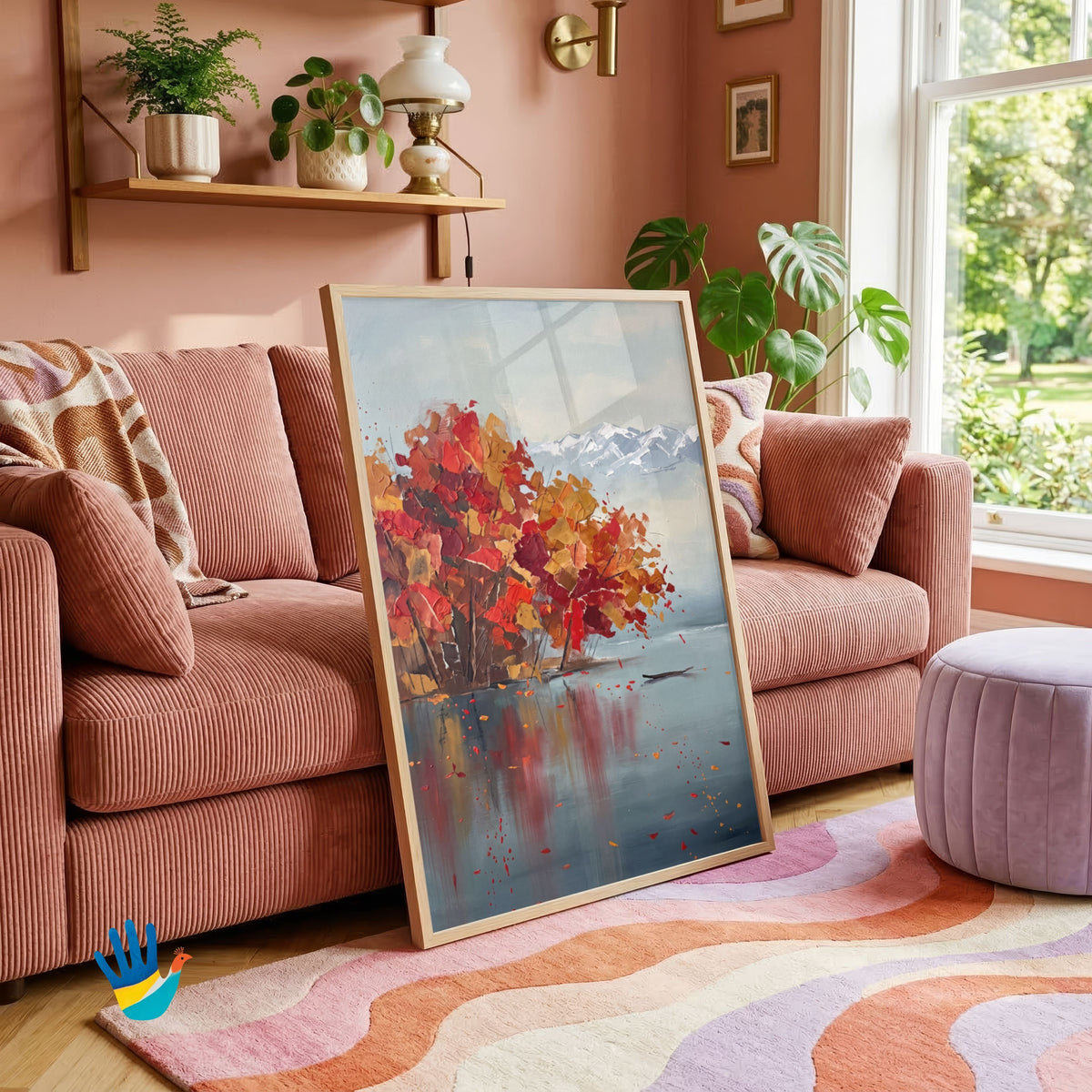
The journey runs the length and breadth of the country. It begins in the thin, bright air above Pangong in Ladakh, the frozen stillness of Spiti and the red chinar autumn of Kashmir. It drops into the golden dunes of the Thar and the white silence of the Rann of Kutch. It follows the Ganga at dawn in Varanasi, climbs into the monsoon cloud of the Sahyadri and the flowering meadows of Uttarakhand, and floats above the clouds of Meghalaya. It crosses the granite boulders of Hampi and the tidal mangroves of the Sundarbans, pauses on Mumbai's seafront after midnight, and comes to rest on the red cliffs of the Konkan, the slow green waters of Kerala, the glass-clear lagoons of the Andamans and, finally, the southern tip at Kanyakumari, where three seas meet.
Four pieces step away from any single view. Red Earth, Blue Rain, Tea Country Mist, Saffron Dawn and Blue City Night are statement abstracts: the feeling of the first monsoon shower, the rhythm of hills planted row by row, a rare harvest at dawn and an old city dissolving into blue geometry. They anchor the collection the way a long pause anchors a piece of music.
None of these works describes a landmark. There are no forts, temples, boats or people to point at. What remains is the horizon, the weather and the light, which is exactly what we carry home from a place we loved. Each painting is an invitation to remember a journey you have taken, or to begin one you have been dreaming of.
Safarnama is made for homes that want cultural depth without traditional décor: the calm of a modern interior, with the warmth of somewhere real.
Living with Safarnama
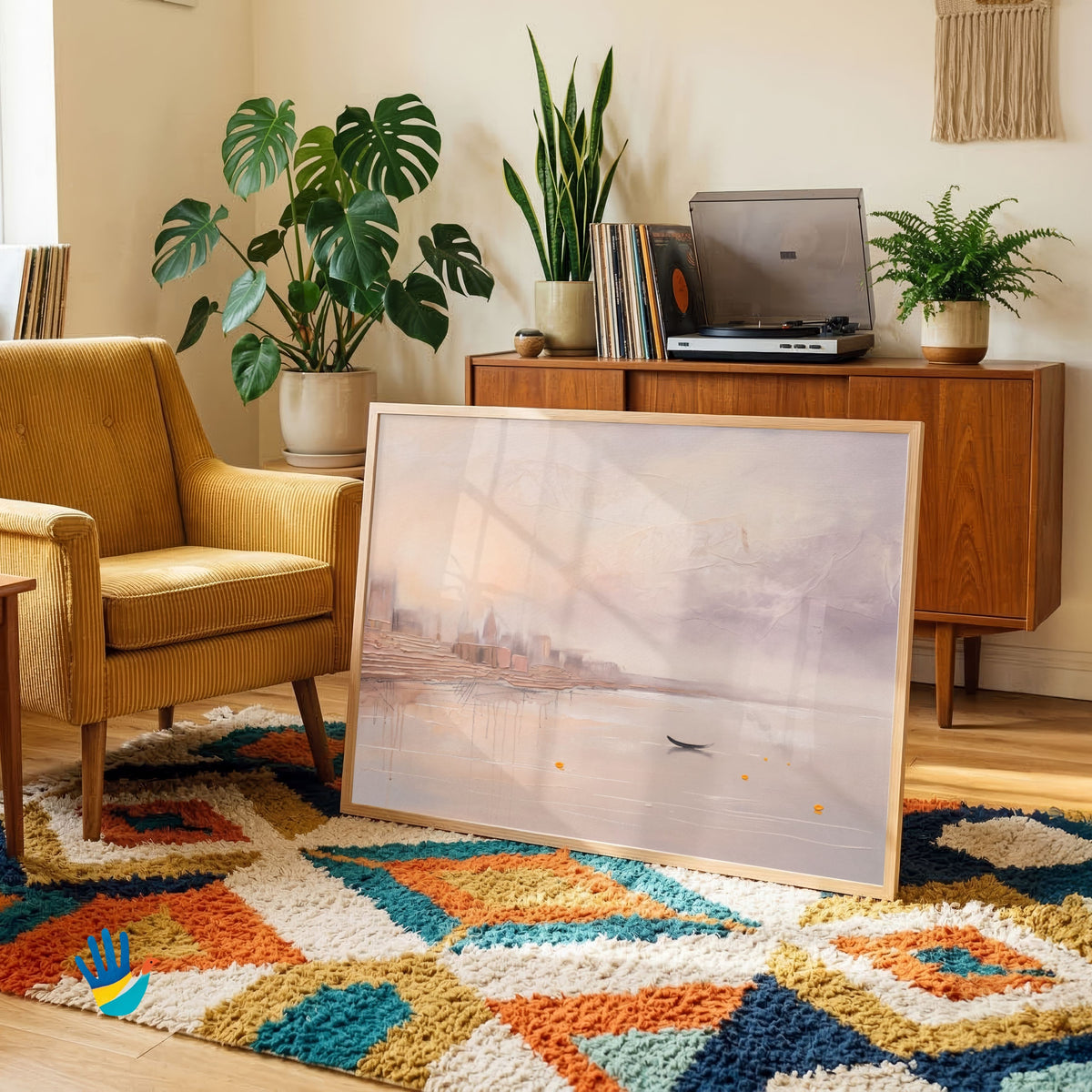
The collection was composed with real rooms in mind. The wide panoramic works (Thar Gold, and the horizontal formats of Pangong Blue, Ganga at First Light and Konkan Shore) sit naturally above sofas, beds and long console tables. The tall verticals (Sahyadri Monsoon, Tea Country Mist) suit stairwells, foyers and narrow walls beside sculptural lighting. The square works (White Rann, Full Moon and Red Earth, Blue Rain) hold a wall on their own or anchor a gallery arrangement.
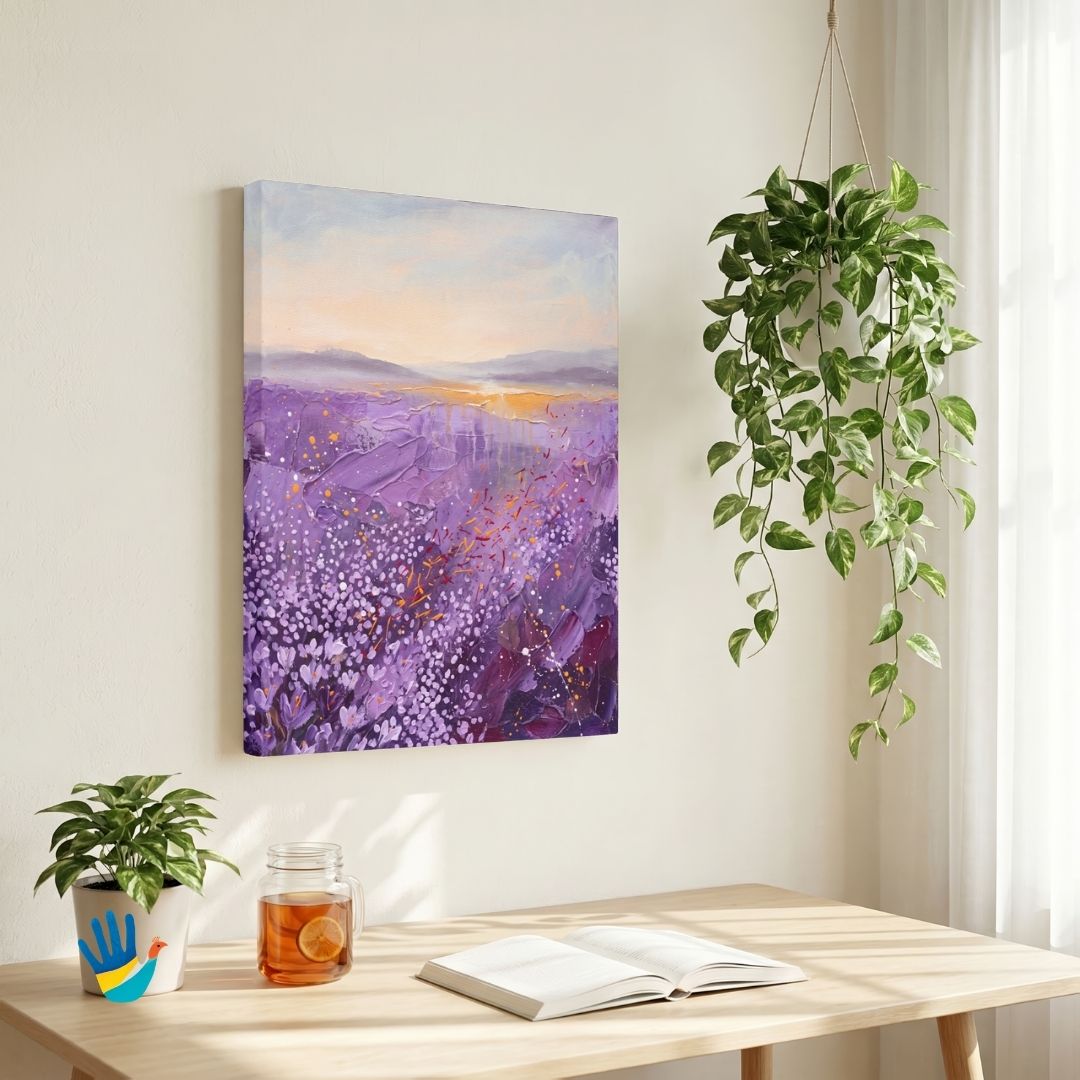
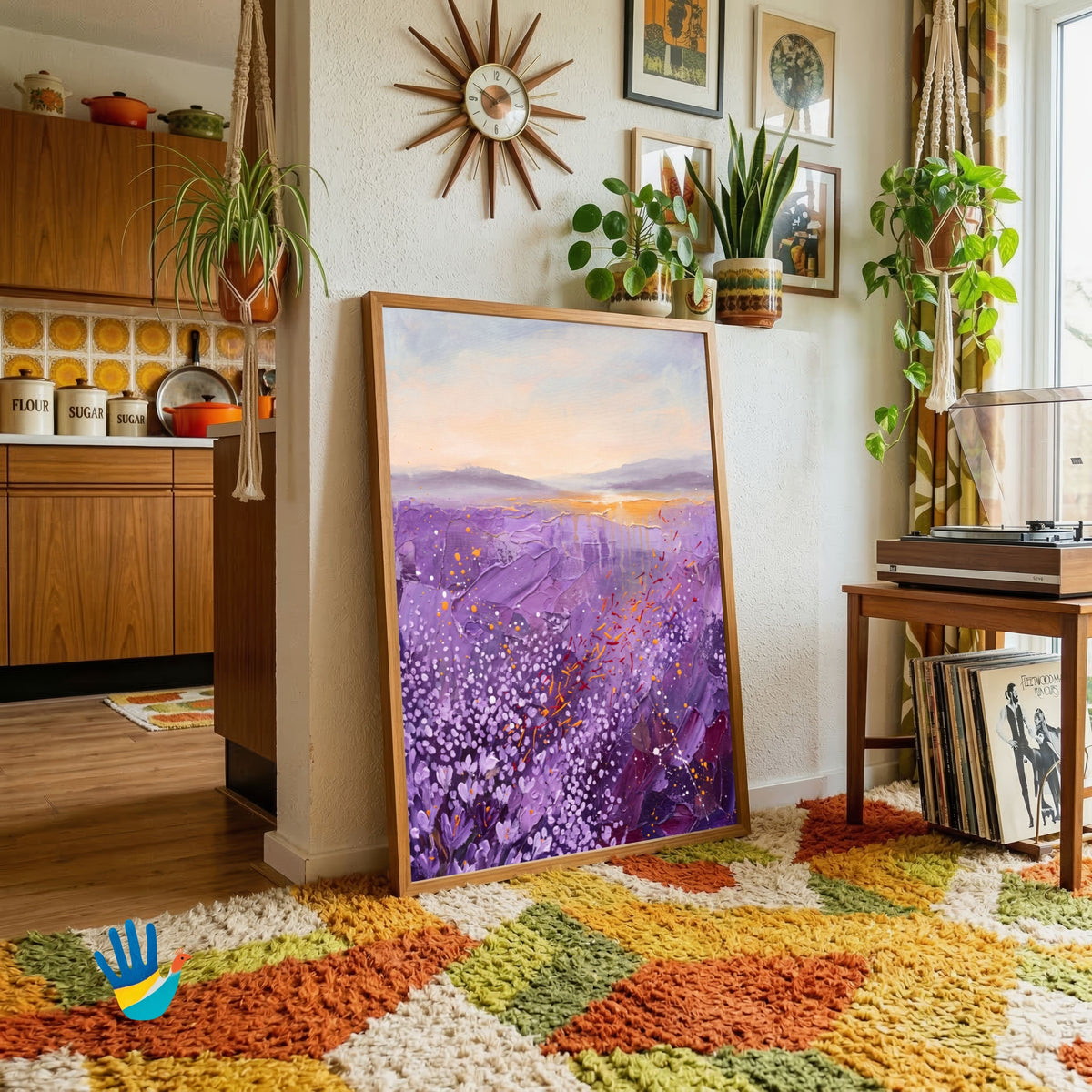
The second half of the collection follows the same logic. Havelock Lagoon and Marine Drive, Midnight are long panoramas for sofas and beds; Hampi Boulders at Dusk and Sundarbans Tide are horizontal works for living rooms and studies; Sohra Clouds, Chinar Autumn, Where Three Seas Meet and Blue City Night are verticals for entrances and narrow walls; Valley of Flowers and Saffron Dawn are squares that hold a wall alone.
The palettes pair well with the materials of modern Indian interiors: limewash and plaster walls, natural wood, cane, linen, brass and stone. Cool pieces (Pangong, Spiti, White Rann) bring calm to bedrooms and studies; warm pieces (Thar, Ganga, Red Earth) bring glow to living and dining spaces.


